
Solar Attic Fans vs Ridge Vents (Which Cools Your St. Louis Home Better?)
Your attic traps heat like a pressure cooker during St. Louis summers. The question isn’t whether you need better ventilation—it’s which system pulls the most heat out of your home without driving up your Ameren bill. Solar attic fans use active power to exhaust hot air. Ridge vents use passive airflow. Both work. But in Missouri’s humidity and temperature swings, one delivers faster cooling and lower energy costs. Ameren Missouri.
Comparison at a Glance
| Feature | Solar Attic Fan | Ridge Vent |
|---|---|---|
| Initial Cost | $300-$800 per unit | $2-$4 per linear foot |
| Lifetime Cost | $0 operating cost after install | $0 operating cost |
| Noise Level | 30-45 dB (humming) | Silent |
| Efficiency in High Humidity | High (active airflow) | Moderate (depends on wind) |
| Aesthetics | Visible roof protrusion | Blends with roofline |
The Case for Ridge Vents: Passive, Proven, and Permanent
Ridge vents run the entire peak of your roof. They work by creating a continuous exhaust path for hot air to escape. Cool air enters through soffit vents below, pushing the hot air upward and out through the ridge. No moving parts. No electricity. No maintenance beyond occasional cleaning.
The system relies on thermal buoyancy—hot air naturally rises. When paired with proper soffit intake vents, ridge vents create balanced airflow across your entire attic. The International Residential Code (IRC R806) requires one square foot of net free ventilation area for every 150 square feet of attic floor space when using a balanced soffit-to-ridge system.. Read more about Dealing with Nail Pops and Thermal Expansion on St. Louis Roofs.
In St. Louis, ridge vents handle the freeze-thaw cycles well. The continuous metal or shingle-over design prevents ice dam formation at the ridge line. Most asphalt shingle manufacturers, including GAF and CertainTeed, honor warranties when ridge vents are installed per manufacturer specifications.. Read more about Combatting the St. Louis Urban Heat Island Effect with Reflective Roofing for Tower Grove Homes.
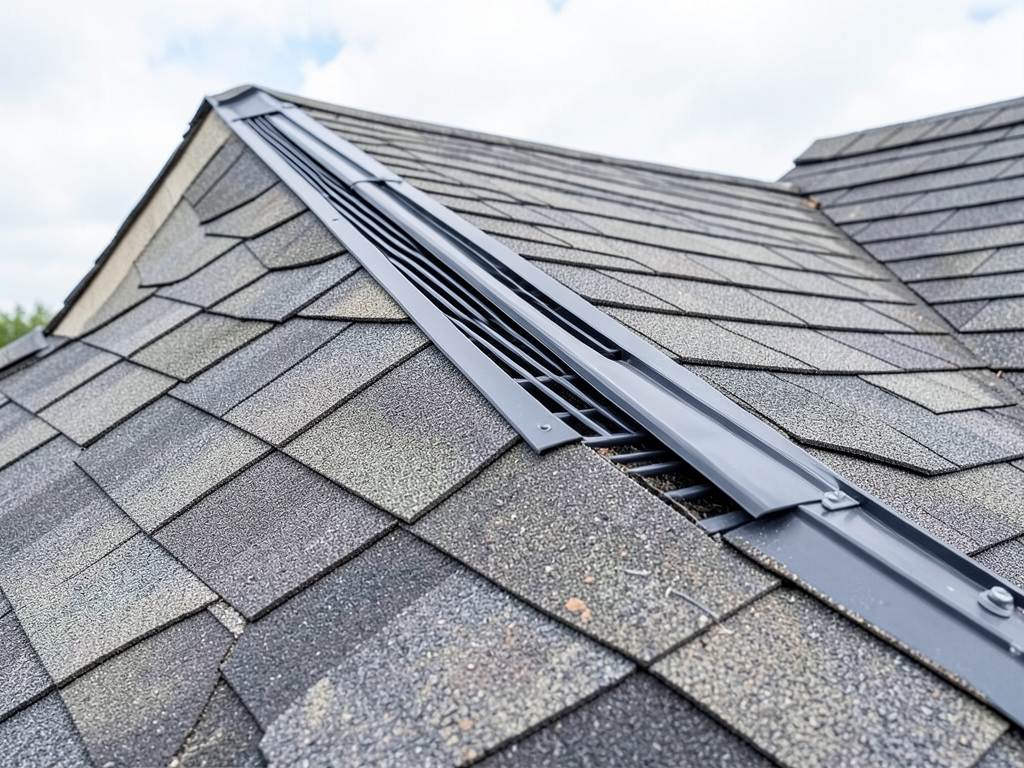
– Diagram showing ridge vent installation with soffit intake and continuous airflow path across attic space.
The Case for Solar Attic Fans: Active Cooling for St. Louis Heat
Solar attic fans mount on your roof and use photovoltaic panels to power a fan that pulls hot air directly out of your attic. Unlike ridge vents, they don’t wait for wind or temperature differences. They run whenever the sun hits the panel—exactly when your attic needs cooling most.. Read more about Why Your St. Louis Attic is Damp Even if the Roof Isn’t Leaking.
A quality 30-watt solar fan moves 800-1,200 cubic feet per minute (CFM). For a 1,500-square-foot attic, you’d need one fan rated for at least 900 CFM to meet the 1/300 rule for powered ventilation systems under IRC R806.2. High Quality Roof Replacements for Creve Coeur Properties.
The real advantage shows during St. Louis heat waves. When temperatures hit 95°F with 70% humidity, ridge vents struggle to create enough airflow. A solar fan keeps pulling air regardless of outside conditions. This active ventilation can lower attic temperatures by 20-30°F compared to passive systems alone.
The Federal Solar Tax Credit (Residential Clean Energy Credit) covers 30% of installation costs through 2032. For a $600 fan installation, that’s $180 back at tax time. This credit doesn’t apply to ridge vents since they use no solar power.
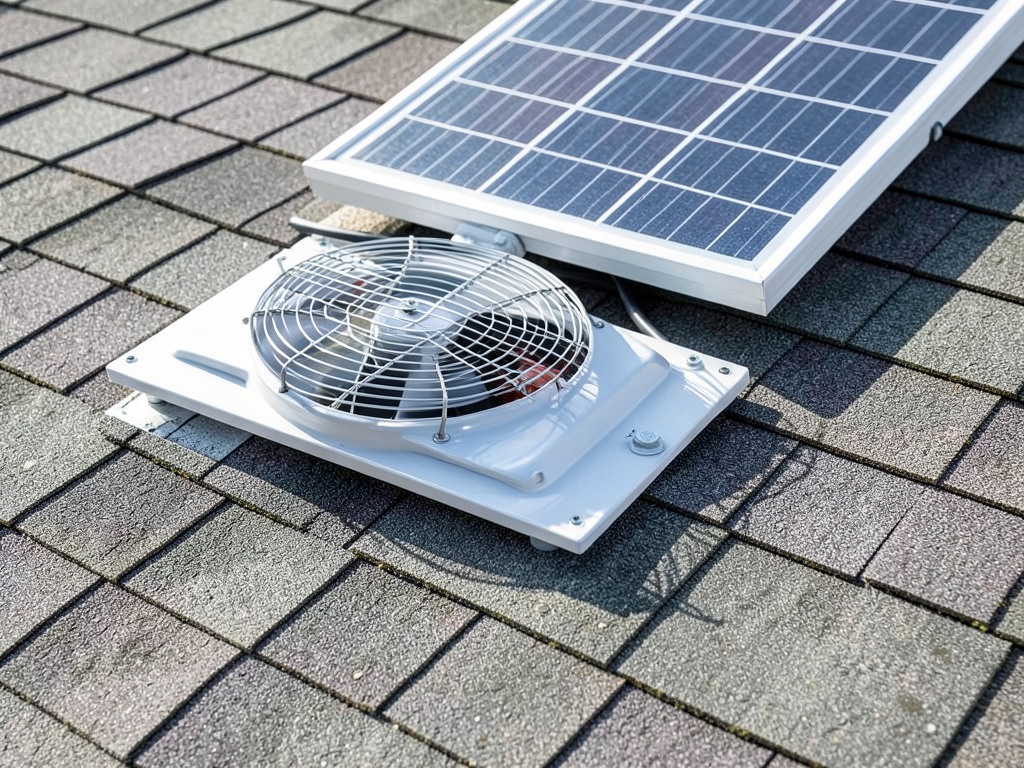
– Photo of a solar attic fan mounted on a sloped roof with photovoltaic panel visible during daytime operation.
Why St. Louis Weather Matters for Your Attic
Missouri’s climate creates unique attic ventilation challenges. St. Louis averages 42 inches of rain annually with high humidity levels—often 65-85% during summer months. This moisture enters your attic through ceiling penetrations, gaps around light fixtures, and bathroom exhaust fans that terminate in the attic instead of outside.
When warm, humid air hits your cool attic surfaces, condensation forms. Over time, this creates the perfect environment for mold growth. The University of Missouri Extension reports that attics with poor ventilation in the St. Louis region show mold growth within 18-24 months during normal weather patterns. University of Missouri Extension.
Winter brings different problems. Temperature swings from 30°F to 60°F within 48 hours cause roof decking to expand and contract. This movement stresses fasteners and can create gaps where moisture enters. Active ventilation from solar fans helps maintain more consistent attic temperatures, reducing this thermal cycling stress.
Ice damming occurs when snow melts from heat escaping through the roof, then refreezes at the colder eaves. The Missouri Department of Transportation reports ice dam formation is most common in St. Louis zip codes 63105, 63108, and 63124—areas with older homes and less efficient attic insulation.
– Photo showing mold growth on attic rafters in a St. Louis home with inadequate ventilation and high humidity.
Can You Use Both? (The Short Answer: No)
Installing a solar fan near a ridge vent creates a dangerous situation called short-circuiting. Instead of drawing air from soffit vents as intended, the fan pulls air directly from the closest opening—the ridge vent. This eliminates the balanced airflow pattern and reduces overall ventilation effectiveness by up to 60%.
Short-circuiting also causes negative pressure in your attic. This pulls conditioned air from your living space through ceiling gaps, making your AC work harder. The Missouri Housing Development Commission found that homes with mixed ventilation systems used 15-20% more energy than homes with properly designed single-system ventilation.
If you have ridge vents and want active ventilation, remove the ridge vent in the area where you’ll install the solar fan. Cover at least 10 feet of ridge vent on either side of the fan location. This forces air to enter through soffits and creates the proper intake-to-exhaust balance.
Cost Comparison and ROI for Missouri Homeowners
Ridge vent installation costs $2-$4 per linear foot. For a 30-foot ridge line, that’s $60-$120 in materials plus $200-$400 for professional installation. Total: $260-$520. These systems last 20-30 years with zero operating costs.
Solar attic fans cost $300-$800 for the unit plus $200-$400 for installation. Total: $500-$1,200. The fan motor typically lasts 10-15 years before needing replacement. After the 30% federal tax credit, your net cost ranges from $350-$840.
Energy savings vary by home. A study by Ameren Missouri found that homes with adequate attic ventilation reduced cooling costs by 10-15% annually. For a typical St. Louis home spending $1,500 yearly on cooling, that’s $150-$225 in savings. The payback period for a solar fan is 3-5 years without the tax credit, 2-3 years with it.
Ridge vents provide slower but steady savings. Since they have no operating costs, the payback is immediate in terms of preventing heat buildup. The real value comes from extending roof life—reducing premature shingle replacement can save $5,000-$10,000 over 20 years.
Which System Fits Your St. Louis Home?
Choose ridge vents if you’re replacing your roof and want a maintenance-free solution that blends with your home’s appearance. This option works best for homes in historic districts like Webster Groves or Clayton where exterior modifications need approval.
Choose solar attic fans if you have an existing roof and need immediate temperature reduction. This works well for homes in newer developments like Chesterfield or Town and Country where active ventilation can offset the lack of tree canopy and increased sun exposure. Roofing Chesterfield.
Consider your home’s architecture. Ranch-style homes with simple roof lines ventilate easily with ridge vents. Complex roof designs with multiple valleys and dormers benefit from targeted solar fan placement to address hot spots.
Think about your energy goals. If you’re adding solar panels to your home, a solar attic fan complements that investment by reducing the cooling load. If you prefer zero-maintenance solutions, ridge vents paired with proper soffit intake provide reliable performance without future service calls. Reliable Roofing Services for Your Affton Home or Rental Property.
Installation Quality Matters More Than the System You Choose
Even the best ventilation system fails with poor installation. Soffit vents must remain unobstructed by insulation. Many St. Louis homes have soffit vents painted over or blocked by insulation pushed into the soffit cavity. This eliminates the intake half of your ventilation system.
Proper sealing is critical. Gaps around plumbing vents, light fixtures, and attic access hatches let conditioned air escape into the attic. A blower door test can identify these leaks. The average St. Louis home has 1-2 square feet of unintentional attic openings that waste energy year-round.
Attic insulation levels matter too. St. Louis homes should have R-49 to R-60 insulation in the attic—about 16-20 inches of blown fiberglass or cellulose. Without this baseline, even perfect ventilation can’t keep your home comfortable.
Call (314) 417-7774 today to schedule your inspection. We’ll evaluate your current ventilation, identify problems, and recommend the right solution for your specific home and budget.
Frequently Asked Questions
How much can I save on my energy bill with better attic ventilation?
Ameren Missouri studies show 10-15% annual cooling cost reduction with proper ventilation. For a home spending $1,500 yearly on cooling, that’s $150-$225 in savings. The exact amount depends on your home’s insulation, attic size, and current ventilation effectiveness.
Will ridge vents work during windless days?
Yes. Ridge vents rely on thermal buoyancy, not wind. Hot air naturally rises and escapes through the ridge, pulling cooler air in through soffits below. This passive process works 24/7 regardless of weather conditions. Wind helps but isn’t required for the system to function.
Do solar attic fans work on cloudy days?
Solar fans produce less power on cloudy days but still operate. A fully overcast day might reduce fan speed by 50-70%, but the fan continues moving air. Since cloudy days are often cooler anyway, the reduced airflow typically provides adequate ventilation for those conditions.
Can I install these systems myself?
Ridge vent installation requires roofing experience to maintain water-tight seals. Solar fan installation involves electrical wiring and roof penetrations that, if done incorrectly, cause leaks. Both systems need proper intake ventilation design. Professional installation ensures code compliance and prevents costly water damage. Hail Damage Assessment.
How do I know if my attic has enough ventilation?
Signs of inadequate ventilation include: attic temperatures over 130°F in summer, moisture or frost on rafters in winter, ice dam formation, and mold growth on roof decking. A professional inspection can measure your current ventilation against code requirements and identify problem areas.
Will better attic ventilation extend my roof’s life?
Yes. Excessive heat and moisture are the primary causes of premature roof failure. Proper ventilation keeps attic temperatures closer to outdoor levels and prevents moisture buildup that rots wood and degrades shingles. This can extend roof life by 5-10 years, saving thousands in replacement costs.
{
“@context”: “https://schema.org”,
“@type”: “BlogPosting”,
“headline”: “Solar Attic Fans vs Ridge Vents (Which Cools Your St. Louis Home Better?)”,
“description”: “Compare solar attic fans and ridge vents for St. Louis homes. Learn which ventilation system lowers your Ameren bills faster in Missouri’s humid climate.”,
“wordCount”: 1720,
“datePublished”: “2026-05-08T15:25:00.000Z”,
“dateModified”: “2026-05-08T15:25:00.000Z”,
“inLanguage”: “en-US”,
“mainEntityOfPage”: {
“@type”: “WebPage”,
“@id”: “https://pioneerroofingstlouis.com”
},
“publisher”: {
“@type”: “LocalBusiness”,
“name”: “Pioneer Roofing St. Louis”,
“url”: “https://pioneerroofingstlouis.com”
},
“author”: {
“@type”: “Organization”,
“name”: “Pioneer Roofing St. Louis”,
“url”: “https://pioneerroofingstlouis.com”
},
“image”: {
“@type”: “ImageObject”,
“url”: “https://pioneerroofingstlouis.com/wp-content/uploads/2026/03/solar-attic-fans-vs-ridge-vents-which-cools-your-s-1.png”
}
}
{
“@context”: “https://schema.org”,
“@type”: “RoofingContractor”,
“name”: “Pioneer Roofing St. Louis”,
“url”: “https://pioneerroofingstlouis.com”,
“address”: {
“@type”: “PostalAddress”,
“addressLocality”: “St. Louis”
},
“areaServed”: {
“@type”: “City”,
“name”: “St. Louis”
}
}
{
“@context”: “https://schema.org”,
“@type”: “FAQPage”,
“mainEntity”: [
{
“@type”: “Question”,
“name”: “Which System Fits Your St. Louis Home?”,
“acceptedAnswer”: {
“@type”: “Answer”,
“text”: “Choose ridge vents if you’re replacing your roof and want a maintenance-free solution that blends with your home’s appearance. This option works best for homes in historic districts like Webster Groves or Clayton where exterior modifications need approval.”
}
},
{
“@type”: “Question”,
“name”: “How much can I save on my energy bill with better attic ventilation?”,
“acceptedAnswer”: {
“@type”: “Answer”,
“text”: “Ameren Missouri studies show 10-15% annual cooling cost reduction with proper ventilation. For a home spending $1,500 yearly on cooling, that’s $150-$225 in savings. The exact amount depends on your home’s insulation, attic size, and current ventilation effectiveness.”
}
},
{
“@type”: “Question”,
“name”: “Will ridge vents work during windless days?”,
“acceptedAnswer”: {
“@type”: “Answer”,
“text”: “Yes. Ridge vents rely on thermal buoyancy, not wind. Hot air naturally rises and escapes through the ridge, pulling cooler air in through soffits below. This passive process works 24/7 regardless of weather conditions. Wind helps but isn’t required for the system to function.”
}
},
{
“@type”: “Question”,
“name”: “Do solar attic fans work on cloudy days?”,
“acceptedAnswer”: {
“@type”: “Answer”,
“text”: “Solar fans produce less power on cloudy days but still operate. A fully overcast day might reduce fan speed by 50-70%, but the fan continues moving air. Since cloudy days are often cooler anyway, the reduced airflow typically provides adequate ventilation for those conditions.”
}
},
{
“@type”: “Question”,
“name”: “Can I install these systems myself?”,
“acceptedAnswer”: {
“@type”: “Answer”,
“text”: “Ridge vent installation requires roofing experience to maintain water-tight seals. Solar fan installation involves electrical wiring and roof penetrations that, if done incorrectly, cause leaks. Both systems need proper intake ventilation design. Professional installation ensures code compliance and prevents costly water damage. Hail Damage Assessment.”
}
},
{
“@type”: “Question”,
“name”: “How do I know if my attic has enough ventilation?”,
“acceptedAnswer”: {
“@type”: “Answer”,
“text”: “Signs of inadequate ventilation include: attic temperatures over 130°F in summer, moisture or frost on rafters in winter, ice dam formation, and mold growth on roof decking. A professional inspection can measure your current ventilation against code requirements and identify problem areas.”
}
},
{
“@type”: “Question”,
“name”: “Will better attic ventilation extend my roof’s life?”,
“acceptedAnswer”: {
“@type”: “Answer”,
“text”: “Yes. Excessive heat and moisture are the primary causes of premature roof failure. Proper ventilation keeps attic temperatures closer to outdoor levels and prevents moisture buildup that rots wood and degrades shingles. This can extend roof life by 5-10 years, saving thousands in replacement costs.”
}
}
]
}
{
“@context”: “https://schema.org”,
“@type”: “BreadcrumbList”,
“itemListElement”: [
{
“@type”: “ListItem”,
“position”: 1,
“name”: “Home”,
“item”: “https://pioneerroofingstlouis.com”
},
{
“@type”: “ListItem”,
“position”: 2,
“name”: “Blog”,
“item”: “https://pioneerroofingstlouis.com/blog”
},
{
“@type”: “ListItem”,
“position”: 3,
“name”: “Solar Attic Fans vs Ridge Vents (Which Cools Your St. Louis Home Better?)”
}
]
}
{
“@context”: “https://schema.org”,
“@type”: “Service”,
“serviceType”: “Roofing”,
“provider”: {
“@type”: “LocalBusiness”,
“name”: “Pioneer Roofing St. Louis”,
“url”: “https://pioneerroofingstlouis.com”
},
“areaServed”: {
“@type”: “City”,
“name”: “St. Louis”
},
“description”: “Compare solar attic fans and ridge vents for St. Louis homes. Learn which ventilation system lowers your Ameren bills faster in Missouri’s humid climate.”
}