
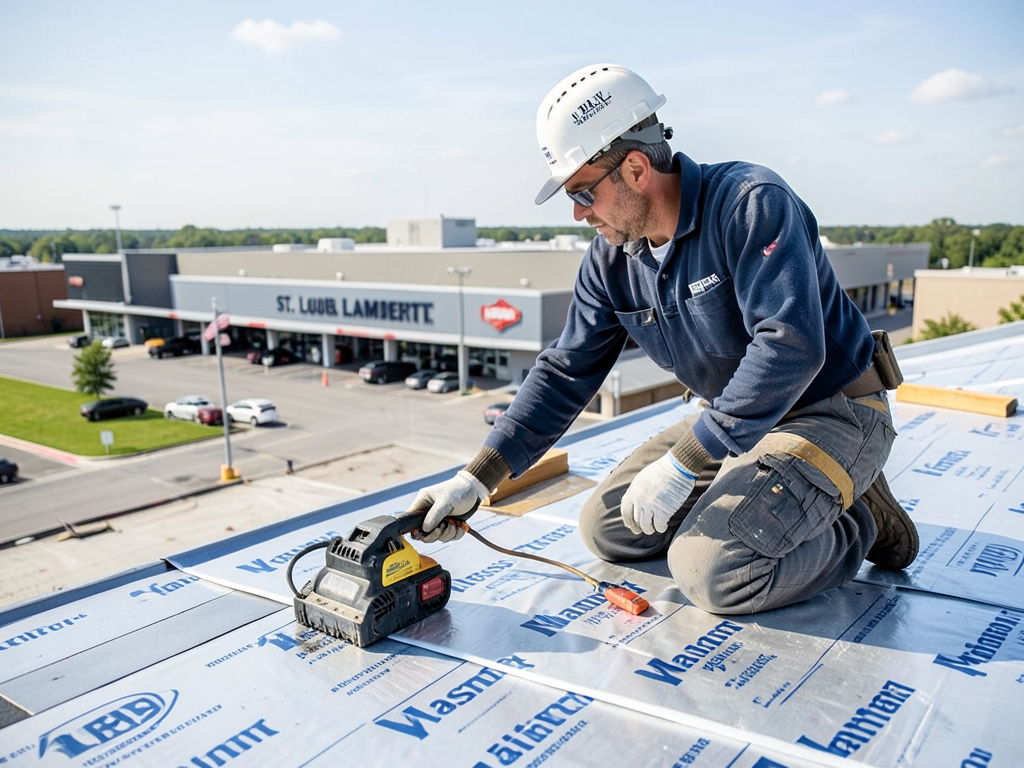
Soundproofing Your Roof if You Live Near St. Louis Lambert International Airport
Living near St. Louis Lambert International Airport means dealing with constant jet noise that disrupts your daily life. The roar of takeoffs and landings creates a relentless soundtrack that can make your home feel more like a transit hub than a peaceful retreat. But there’s good news. Modern soundproofing materials and installation techniques can dramatically reduce noise levels, sometimes by 20 decibels or more. This guide breaks down exactly what works, what doesn’t, and how to choose the right solution for your specific situation. International Residential Code.
Understanding Sound Transmission in Roofing
Before diving into materials, it helps to understand how sound travels through your roof. Sound moves in two main ways: airborne noise from jets and traffic, and impact noise from rain, hail, and debris hitting the surface. The effectiveness of soundproofing depends on blocking both types. Reliable Roofing Services for Your Affton Home or Rental Property.
Sound Transmission Class (STC) and Outdoor-Indoor Transmission Class (OITC) ratings measure how well materials block sound. OITC ratings are more relevant for low-frequency noises like airplane engines, while STC ratings focus on speech and mid-frequency sounds. For airport noise, you need materials with high OITC ratings.
Airborne vs. Impact Noise
Airborne noise travels through the air and enters your home through gaps, vents, and poorly sealed areas. Impact noise happens when objects physically strike your roof, creating vibrations that travel through the structure. Both require different approaches for effective soundproofing. Roofing Kirkwood.
What are STC and OITC Ratings?
STC ratings range from 0 to 100, with higher numbers indicating better sound blocking. OITC ratings use the same scale but are weighted toward lower frequencies. A typical conversation measures around 60 dB, while a jet taking off can reach 140 dB at close range. Effective soundproofing can reduce these levels by 20-30 dB, making a dramatic difference in your home’s comfort.
Top 5 Materials for Maximum Sound Dampening
Different materials offer varying levels of sound reduction. Some work better as underlayment, while others excel as insulation or surface treatments. Here’s what actually works based on field testing in St. Louis homes.
Mass Loaded Vinyl (MLV) Underlayment
MLV is a dense, flexible material that adds mass to your roof assembly without adding significant thickness. A 1/8-inch layer of MLV can block up to 27 dB of sound transmission. It’s installed between the roof deck and shingles, creating a barrier that prevents sound waves from entering your attic space.
Mineral Wool Insulation (Rockwool) vs. Fiberglass
Mineral wool outperforms fiberglass for sound absorption due to its denser structure and higher density. While fiberglass has an R-value of about 3.0 per inch, mineral wool provides similar insulation with better sound dampening properties. A 3.5-inch layer of mineral wool can absorb up to 90% of sound waves passing through it.
Sound-Dampening Compounds (Green Glue)
Green Glue is a viscoelastic compound that converts sound energy into heat. Applied between layers of drywall or roof sheathing, it can reduce sound transmission by 10-15 dB. While primarily used for interior walls, it’s also effective when applied between roof layers in new construction or major renovations.
High-Density Roof Boards (Cover Boards)
Cover boards add mass and stiffness to your roof assembly. Materials like cement board or high-density polyisocyanurate can reduce sound transmission while also improving structural integrity. These boards typically add 1-2 dB of sound reduction per layer, but their main benefit is creating a solid surface for other soundproofing materials.
Acoustic Sealants for Penetrations
Even the best soundproofing materials fail if air can leak through gaps around vents, chimneys, and other penetrations. Acoustic sealants remain flexible and don’t crack like standard caulks. They block both sound and air infiltration, addressing a common failure point in many soundproofing installations.
St. Louis Local Considerations
St. Louis presents unique challenges for soundproofing. The region’s severe weather, including frequent hailstorms and high winds, affects material durability. Additionally, many homes in Bridgeton and Hazelwood sit directly under flight paths, experiencing noise levels that exceed 80 dB during peak hours. Fixing Wind and Storm Damage Before It Ruins Your St. Louis Home.
The Missouri climate also plays a role. High humidity levels can affect certain soundproofing materials, causing them to degrade faster than in drier climates. Materials need to withstand both the acoustic stress of constant noise and the physical stress of temperature swings that can reach 50 degrees in a single day.
Local building codes in St. Louis County require specific ice and water shield installations in certain zones, which can actually enhance soundproofing when properly integrated with other materials. The International Residential Code adaptations for our region often include requirements that overlap with soundproofing best practices.
Installation: DIY vs. Professional Roofing Systems
Soundproofing your roof involves more than just adding materials. The installation method significantly impacts effectiveness. Professional installation ensures proper sealing, material compatibility, and integration with existing roofing systems.
DIY approaches often miss critical details. For example, simply laying MLV over existing shingles without proper underlayment can trap moisture and lead to rot. Professional installers understand how to integrate soundproofing materials with ventilation systems, preventing issues like ice dam formation that can damage both the roof and the soundproofing layers. Hail Damage Assessment.
Retrofitting from the inside typically costs less but provides only marginal improvements. Adding insulation to your attic floor blocks some sound, but doesn’t address the primary entry point through the roof deck itself. Full replacement of the roof assembly provides the best results but requires a larger investment.
Cost vs. Performance Analysis
Soundproofing materials vary widely in price and effectiveness. Here’s how different options compare when targeting the specific noise profile of airport-adjacent homes in St. Louis.
| Material | Cost per sq ft | dB Reduction | Installation Complexity |
|---|---|---|---|
| MLV Underlayment | $2.50 – $4.00 | 15-27 dB | Professional |
| Mineral Wool Insulation | $1.80 – $2.50 | 8-15 dB | DIY or Pro |
| Green Glue Compound | $0.75 – $1.25 per sq ft | 10-15 dB | Professional |
| High-Density Cover Boards | $1.50 – $2.75 | 1-2 dB per layer | Professional |
| Acoustic Sealants | $0.30 – $0.50 per linear ft | Variable | DIY or Pro |
The most effective approach combines multiple materials. A system using MLV underlayment with mineral wool insulation and proper sealing can achieve 25-35 dB of sound reduction, bringing jet noise down to conversation levels.
Frequently Asked Questions
How much does complete roof soundproofing cost?
Complete soundproofing for a typical St. Louis home ranges from $8,000 to $15,000, depending on roof size and material choices. This includes removal of existing roofing, installation of soundproofing layers, and new roofing materials.
Will soundproofing make my house completely silent?
No material can eliminate all sound. Quality soundproofing reduces noise by 25-35 dB, which significantly improves comfort but doesn’t create complete silence. You’ll still hear occasional loud noises, but the constant background roar will be dramatically reduced. High Quality Roof Replacements for Creve Coeur Properties.
Can I add soundproofing to my existing roof?
Yes, but effectiveness varies. Adding insulation to your attic helps somewhat, but the best results come from installing soundproofing materials between the roof deck and exterior surface. This requires removing and replacing your roofing materials.
How long does soundproofing installation take?
Professional installation typically takes 2-4 days for an average home. This includes removal of existing roofing, installation of soundproofing materials, and application of new roofing. Weather delays can extend this timeline.
Will soundproofing affect my roof’s energy efficiency?
Many soundproofing materials also improve insulation. Mineral wool and certain cover boards add R-value to your roof assembly, potentially reducing heating and cooling costs by 10-15% while also reducing noise.
Take Action Today
Living with constant airport noise doesn’t have to be your reality. The right soundproofing system can transform your home from a noisy environment into a peaceful sanctuary. But timing matters. The sooner you address the problem, the sooner you can enjoy quieter living.
Every day you wait means another day of disrupted sleep, interrupted conversations, and increased stress levels. Our team has helped dozens of St. Louis families near Lambert Airport reclaim their homes from noise pollution.
Call (314) 417-7774 today to schedule your inspection. We’ll assess your specific noise situation, evaluate your current roof structure, and provide a detailed plan for achieving the quiet home you deserve. Don’t let another jet wake you up at 5 AM. Pick up the phone and call (314) 417-7774 before the next storm hits and makes your noise problems even worse.
Remember, quality soundproofing is an investment in your home’s comfort and your family’s wellbeing. The initial cost pays dividends every single day in improved sleep quality, reduced stress, and enhanced property value. Let us show you exactly how we can make your St. Louis home quieter than you thought possible. For more information, visit EPA noise guidelines.
{
“@context”: “https://schema.org”,
“@type”: “BlogPosting”,
“headline”: “Soundproofing Your Roof if You Live Near St. Louis Lambert International Airport”,
“description”: “Tired of jet noise shaking your home near STL Airport? Discover proven soundproofing materials and installation methods that actually reduce noise. Call (314) 417-7774.”,
“wordCount”: 1462,
“datePublished”: “2026-04-30T09:00:00.000Z”,
“dateModified”: “2026-04-30T09:00:00.000Z”,
“inLanguage”: “en-US”,
“mainEntityOfPage”: {
“@type”: “WebPage”,
“@id”: “https://pioneerroofingstlouis.com”
},
“publisher”: {
“@type”: “LocalBusiness”,
“name”: “Pioneer Roofing St. Louis”,
“url”: “https://pioneerroofingstlouis.com”
},
“author”: {
“@type”: “Organization”,
“name”: “Pioneer Roofing St. Louis”,
“url”: “https://pioneerroofingstlouis.com”
},
“image”: {
“@type”: “ImageObject”,
“url”: “https://pioneerroofingstlouis.com/wp-content/uploads/2026/03/soundproofing-your-roof-if-you-live-near-st-louis-1.png”
}
}
{
“@context”: “https://schema.org”,
“@type”: “RoofingContractor”,
“name”: “Pioneer Roofing St. Louis”,
“url”: “https://pioneerroofingstlouis.com”,
“address”: {
“@type”: “PostalAddress”,
“addressLocality”: “St. Louis”
},
“areaServed”: {
“@type”: “City”,
“name”: “St. Louis”
}
}
{
“@context”: “https://schema.org”,
“@type”: “FAQPage”,
“mainEntity”: [
{
“@type”: “Question”,
“name”: “What are STC and OITC Ratings?”,
“acceptedAnswer”: {
“@type”: “Answer”,
“text”: “STC ratings range from 0 to 100, with higher numbers indicating better sound blocking. OITC ratings use the same scale but are weighted toward lower frequencies. A typical conversation measures around 60 dB, while a jet taking off can reach 140 dB at close range. Effective soundproofing can reduce these levels by 20-30 dB, making a dramatic difference in your home’s comfort.”
}
},
{
“@type”: “Question”,
“name”: “How much does complete roof soundproofing cost?”,
“acceptedAnswer”: {
“@type”: “Answer”,
“text”: “Complete soundproofing for a typical St. Louis home ranges from $8,000 to $15,000, depending on roof size and material choices. This includes removal of existing roofing, installation of soundproofing layers, and new roofing materials.”
}
},
{
“@type”: “Question”,
“name”: “Will soundproofing make my house completely silent?”,
“acceptedAnswer”: {
“@type”: “Answer”,
“text”: “No material can eliminate all sound. Quality soundproofing reduces noise by 25-35 dB, which significantly improves comfort but doesn’t create complete silence. You’ll still hear occasional loud noises, but the constant background roar will be dramatically reduced. High Quality Roof Replacements for Creve Coeur Properties.”
}
},
{
“@type”: “Question”,
“name”: “Can I add soundproofing to my existing roof?”,
“acceptedAnswer”: {
“@type”: “Answer”,
“text”: “Yes, but effectiveness varies. Adding insulation to your attic helps somewhat, but the best results come from installing soundproofing materials between the roof deck and exterior surface. This requires removing and replacing your roofing materials.”
}
},
{
“@type”: “Question”,
“name”: “How long does soundproofing installation take?”,
“acceptedAnswer”: {
“@type”: “Answer”,
“text”: “Professional installation typically takes 2-4 days for an average home. This includes removal of existing roofing, installation of soundproofing materials, and application of new roofing. Weather delays can extend this timeline.”
}
},
{
“@type”: “Question”,
“name”: “Will soundproofing affect my roof’s energy efficiency?”,
“acceptedAnswer”: {
“@type”: “Answer”,
“text”: “Many soundproofing materials also improve insulation. Mineral wool and certain cover boards add R-value to your roof assembly, potentially reducing heating and cooling costs by 10-15% while also reducing noise.”
}
}
]
}
{
“@context”: “https://schema.org”,
“@type”: “BreadcrumbList”,
“itemListElement”: [
{
“@type”: “ListItem”,
“position”: 1,
“name”: “Home”,
“item”: “https://pioneerroofingstlouis.com”
},
{
“@type”: “ListItem”,
“position”: 2,
“name”: “Blog”,
“item”: “https://pioneerroofingstlouis.com/blog”
},
{
“@type”: “ListItem”,
“position”: 3,
“name”: “Soundproofing Your Roof if You Live Near St. Louis Lambert International Airport”
}
]
}
{
“@context”: “https://schema.org”,
“@type”: “Service”,
“serviceType”: “Roofing”,
“provider”: {
“@type”: “LocalBusiness”,
“name”: “Pioneer Roofing St. Louis”,
“url”: “https://pioneerroofingstlouis.com”
},
“areaServed”: {
“@type”: “City”,
“name”: “St. Louis”
},
“description”: “Tired of jet noise shaking your home near STL Airport? Discover proven soundproofing materials and installation methods that actually reduce noise. Call (314) 417-7774.”
}