
The Difference Between Cosmetic Hail Dents and Real Structural Damage
Hail damage can be confusing for St. Louis homeowners. A roof might look fine from the street but hide serious problems underneath. This guide explains how to tell the difference between cosmetic hail dents and real structural damage that threatens your home’s protection.
After a storm, you might see small dents on shingles or flashing. Some of these marks are just cosmetic wear from normal aging. Others indicate real structural damage that can lead to leaks, mold, and expensive repairs. Understanding this difference matters because insurance companies only cover functional damage that affects your roof’s ability to protect your home. Fixing Wind and Storm Damage Before It Ruins Your St. Louis Home.
Defining Functional Hail Damage in the Midwest
Functional hail damage occurs when hailstones actually break through or weaken the protective layers of your roof. In St. Louis, where temperature swings can be extreme, this damage becomes more serious over time.
The most common type of functional damage is granule loss. Asphalt shingles have protective granules that shield the asphalt mat from UV rays. When hail knocks these granules off, the exposed asphalt deteriorates faster. You might notice bare spots that look like someone scraped the shingle surface.
Another key indicator is bruising or fracturing of the shingle mat. This happens when hail impacts are strong enough to crack the fiberglass mat underneath the asphalt. You can feel these spots by running your hand across the shingle surface. Soft, spongy areas indicate the mat has been compromised.
Delamination occurs when hail separates the layers of a shingle. The adhesive strip that holds the layers together fails, creating bubbles or raised areas. This damage allows water to seep between layers and eventually reach your roof deck.
St. Louis Weather Impact: Our region’s freeze-thaw cycles make hail damage worse. Water gets into small cracks, freezes, expands, and widens the damage. What looks minor in August can become a major leak by February.
What Qualifies as ‘Cosmetic Wear’ (and Why Insurance Denies It)
Cosmetic damage affects only the appearance of your roof without compromising its function. Insurance companies often deny claims for cosmetic wear because the roof still performs its primary job of keeping water out.
Common cosmetic issues include minor surface marring where hail creates small dents but doesn’t break through the shingle layers. These dents might be visible but don’t affect the roof’s waterproof integrity.
Blistering occurs when moisture trapped during manufacturing creates raised areas on shingles. Hail can make these blisters more noticeable but doesn’t cause the underlying problem.
Thermal cracking happens when temperature changes cause shingles to expand and contract. This creates hairline cracks that are part of normal aging, not storm damage.
Missouri Insurance Update 2026: Many Missouri policies now include cosmetic damage exclusions. Some insurers offer optional riders for cosmetic coverage, but standard policies focus only on functional damage that affects roof performance.
Comparison Table: Hail Damage vs. Normal Aging
| Damage Type | Physical Signs | Impact on Roof | Insurance Coverage |
|---|---|---|---|
| Functional Hail Damage | Granule loss, soft spots, fractures, delamination | Reduced waterproofing, shorter lifespan | Typically covered |
| Cosmetic Wear | Surface dents, minor marring, thermal cracks | No impact on performance | Usually denied |
| Normal Aging | Fading, minor granule loss, brittleness | Gradual decline over years | Not covered |
The St. Louis Insurance Factor: Missouri Policy Nuances
Missouri insurance regulations create specific challenges for hail damage claims. Understanding your policy type helps you know what to expect after a storm. Missouri Department of Insurance.
Replacement Cost Value (RCV) policies pay for a full roof replacement if damage is extensive enough. These policies consider the total roof area and damage percentage. Many St. Louis policies use RCV for homes under 15 years old.
Actual Cash Value (ACV) policies factor in depreciation. They pay only the current value of your roof, not the replacement cost. This means older roofs might not get enough to cover repairs after hail damage. Who to Call for 24 Hour Roof Repairs Anywhere in St. Louis.
Missouri’s ‘matching law’ requires insurance companies to replace entire roof slopes if they can’t find matching materials. This means even if only one section has damage, you might get a full replacement if matching shingles aren’t available.
Local Insurance Trend: Major Missouri insurers like State Farm and American Family have tightened cosmetic damage exclusions in 2026. They now require clear evidence of functional damage before approving claims.
When to Call a Professional vs. Filing a Claim
Knowing when to involve professionals can save you time and money. Some damage clearly needs expert assessment, while other situations might not justify a claim.
Call a professional if you notice multiple soft spots when walking on your roof, see water stains on ceilings, or find granules accumulating in gutters after a storm. These signs suggest functional damage that could worsen quickly.
Consider filing a claim if damage affects more than 10% of your roof surface or if you have an RCV policy that would cover replacement costs. Small, isolated damage might not meet insurance thresholds.
Avoid filing claims for isolated cosmetic damage or if your deductible is close to repair costs. Multiple small claims can increase your premiums without providing meaningful coverage.
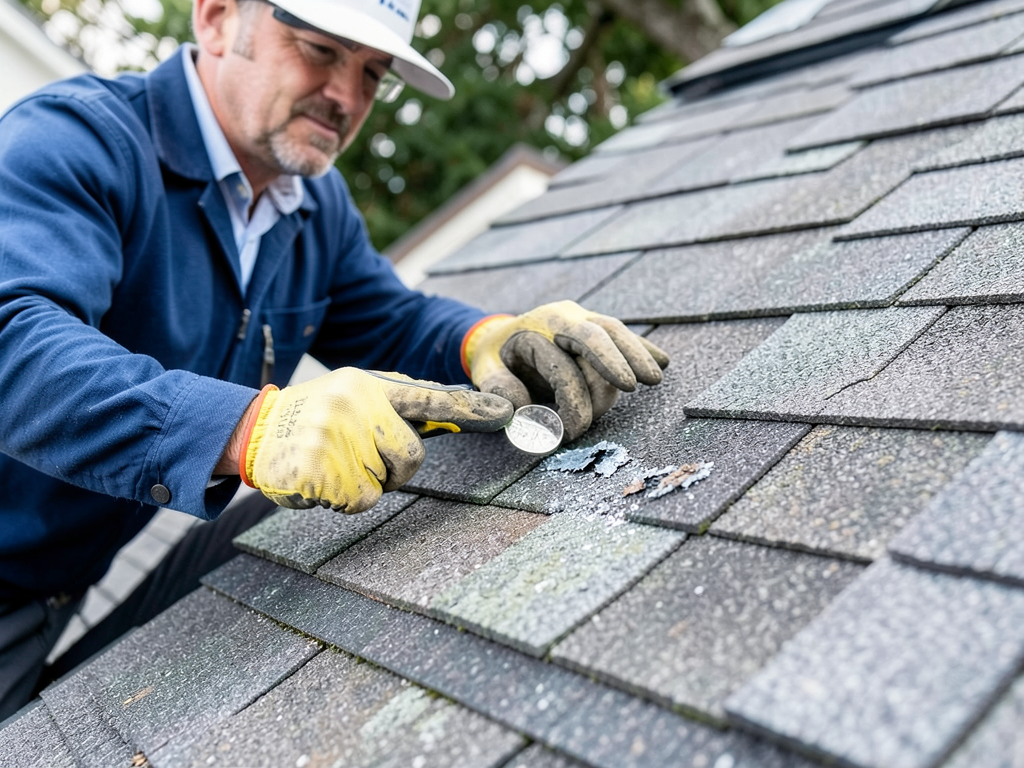
Diagnostic Test: A professional uses a ‘coin test’ to check hail damage severity. They press a quarter into suspected damaged areas. If the shingle material gives way under pressure, it indicates structural compromise.
Impact of Hail on Common St. Louis Roofing Materials
Different roofing materials react differently to hail. St. Louis homes use various materials based on architectural style and age. Reliable Roofing Services for Your Affton Home or Rental Property.
Asphalt shingles, the most common material in St. Louis, show hail damage through granule loss and mat bruising. Three-tab shingles are more vulnerable than architectural shingles due to thinner construction.
Historic slate roofs in areas like Clayton and Webster Groves resist hail better but can crack if impacted by large stones. The cracks might not be visible from ground level, making professional inspection important.
Metal roofing, increasingly popular in Chesterfield and Creve Coeur, dents from hail but rarely suffers functional damage. The dents are usually cosmetic unless they occur on standing seam panels where water flow is affected. How to Navigate a Roofing Insurance Claim After a St. Louis Hail Storm.
Tile roofs, common on Mediterranean-style homes, can crack or shatter from hail impact. Even small cracks can lead to leaks because tiles overlap and direct water to damaged areas.
How to Document Hail Damage for a Claim
Proper documentation increases your chances of claim approval. Insurance adjusters need clear evidence of damage extent and timing.
Take photos immediately after a storm from multiple angles. Include close-ups of damaged areas and wide shots showing the overall roof condition. Time-stamp your photos or include a newspaper in the frame for date verification.
Document interior damage if leaks occur. Water stains, peeling paint, and mold growth prove the roof failure affects your home’s interior.
Keep records of previous inspections and repairs. This history helps establish your roof’s pre-storm condition and shows you maintained it properly.
Professional Assessment: A HAAG-certified inspector provides the most credible damage assessment. Their specialized training in hail damage identification carries weight with insurance companies.
The Role of Professional Roofing Contractors
Professional contractors bring expertise that homeowners and insurance adjusters might lack. Their experience with local weather patterns and building codes proves valuable.
Contractors understand St. Louis-specific issues like ice dam formation and how hail damage accelerates these problems. They know which neighborhoods have older roofs more vulnerable to hail impact.
A professional inspection includes checking areas adjusters might miss, like chimney flashing, vent boots, and gutter systems. These components often suffer hail damage that affects roof performance.
Good contractors work with insurance companies, providing detailed damage reports and repair estimates. They understand insurance language and can explain why certain damage qualifies as functional rather than cosmetic.
Local Expertise: St. Louis contractors familiar with Clayton’s historic districts understand which repairs meet preservation guidelines. They know Chesterfield’s newer developments often have specific manufacturer requirements for warranty validity.
Preventing Future Hail Damage
While you can’t prevent hail storms, you can minimize damage through proper roof maintenance and material selection.
Regular inspections catch minor issues before they become major problems. Check your roof twice yearly and after severe weather. Look for loose shingles, damaged flashing, and debris accumulation.
Consider impact-resistant shingles if you’re replacing your roof. Class 4 shingles withstand hail impacts better than standard materials. They cost more upfront but may qualify for insurance discounts.
Keep trees trimmed away from your roof. Overhanging branches can damage shingles during storms and create debris that holds moisture against your roof surface.
St. Louis Specific Tip: Our region’s high humidity means algae and moss grow quickly on damaged areas. Clean your roof annually to prevent these organisms from worsening hail damage.
Understanding Your Rights as a Missouri Homeowner
Missouri law provides specific protections for homeowners dealing with insurance claims. Knowing your rights helps you navigate the claims process effectively.
You have the right to hire your own contractor and get multiple estimates. Insurance companies cannot require you to use their preferred contractors.
Missouri’s ‘prompt payment’ law requires insurance companies to respond to claims within specific timeframes. If they deny your claim, they must provide written explanation with detailed reasons.
You can request a second inspection if you disagree with the insurance adjuster’s assessment. Many homeowners hire public adjusters for this second opinion, especially for expensive claims.
Important Code Reference: St. Louis County Building Code Section R907 requires proper underlayment installation for hail-resistant roofing systems. This code affects how repairs must be performed to maintain warranty coverage.
Cost Considerations for Hail Damage Repair
Repair costs vary based on damage extent, roof size, and material type. Understanding cost factors helps you budget appropriately.
Minor repairs might cost $500-1,500 for small areas of damage. These repairs typically involve replacing individual shingles and fixing damaged flashing.
Partial replacements cost $3,000-8,000 depending on the roof section size and material. This option works when damage is isolated to one roof area. High Quality Roof Replacements for Creve Coeur Properties.
Full replacements range from $8,000-20,000 for average homes. Insurance often covers these costs when damage is extensive or affects multiple roof sections.
Local Cost Factor: St. Louis labor rates run slightly below national averages, but material costs match national prices. This means local repairs might cost 5-10% less than similar work in coastal cities.
Frequently Asked Questions
How soon after a hail storm should I inspect my roof?
Inspect your roof within 24-48 hours after a storm. Some damage becomes less visible as shingles settle, and quick documentation helps with insurance claims.
Can I walk on my roof to check for hail damage myself?
Walking on a roof is dangerous and can cause additional damage. Use binoculars from the ground or hire a professional with proper safety equipment.
Will filing a hail damage claim increase my insurance rates?
Missouri law prohibits rate increases for weather-related claims. However, multiple claims within a short period might affect your renewal eligibility with some insurers.
How long do I have to file a hail damage claim in Missouri?
Most policies require claims within 12-24 months of the damaging event. Check your specific policy for exact deadlines.
What’s the difference between hail damage and wind damage?
Hail damage creates circular impact marks and granule loss. Wind damage typically shows as lifted, curled, or missing shingles, often along roof edges.
Should I accept the insurance company’s first offer?
You can negotiate if you disagree with the assessment. Get a second opinion from a qualified roofing contractor before accepting final payment.
How can I tell if my neighbor’s roof damage is worse than mine?
Damage varies based on roof age, material, and exposure. Your neighbor might have older shingles more vulnerable to hail, or their roof might face a direction that received more direct impact.
Do I need a permit for hail damage repairs in St. Louis?
Most hail damage repairs require permits under St. Louis County building codes. Your contractor should handle permit acquisition as part of the repair process.
What if my insurance denies my hail damage claim?
You can appeal the decision, request a second inspection, or hire a public adjuster. Some homeowners also file complaints with the Missouri Department of Insurance if they believe the denial was unfair.
Are metal roofs better for hail resistance?
Metal roofs resist hail better than asphalt but can dent. They rarely suffer functional damage and often maintain their waterproof integrity even when dented.
Call for Professional Inspection
Don’t guess about your roof’s condition after a hail storm. Professional inspection can identify hidden damage before it causes expensive leaks. Our team understands St. Louis weather patterns and local building requirements.
Call (314) 417-7774 today to schedule your inspection. We’ll assess your roof’s condition, document any damage, and help you understand your options for repair or replacement. Early detection can save you thousands in water damage repairs.
Pick up the phone and call (314) 417-7774 before the next storm hits. Your home deserves expert protection from our experienced St. Louis roofing team. For more information, visit HUD roofing guidelines.
{
“@context”: “https://schema.org”,
“@type”: “BlogPosting”,
“headline”: “The Difference Between Cosmetic Hail Dents and Real Structural Damage”,
“description”: “Learn how to spot real hail damage versus cosmetic wear on St. Louis roofs. Understand insurance coverage, local weather impacts, and when to call a professional.”,
“wordCount”: 2201,
“datePublished”: “2026-04-03T12:16:00.000Z”,
“dateModified”: “2026-04-03T12:16:00.000Z”,
“inLanguage”: “en-US”,
“mainEntityOfPage”: {
“@type”: “WebPage”,
“@id”: “https://pioneerroofingstlouis.com”
},
“publisher”: {
“@type”: “LocalBusiness”,
“name”: “Pioneer Roofing St. Louis”,
“url”: “https://pioneerroofingstlouis.com”
},
“author”: {
“@type”: “Organization”,
“name”: “Pioneer Roofing St. Louis”,
“url”: “https://pioneerroofingstlouis.com”
},
“image”: {
“@type”: “ImageObject”,
“url”: “https://pioneerroofingstlouis.com/wp-content/uploads/2026/03/the-difference-between-cosmetic-hail-dents-and-rea-1.png”
}
}
{
“@context”: “https://schema.org”,
“@type”: “RoofingContractor”,
“name”: “Pioneer Roofing St. Louis”,
“url”: “https://pioneerroofingstlouis.com”,
“address”: {
“@type”: “PostalAddress”,
“addressLocality”: “St. Louis”
},
“areaServed”: {
“@type”: “City”,
“name”: “St. Louis”
}
}
{
“@context”: “https://schema.org”,
“@type”: “FAQPage”,
“mainEntity”: [
{
“@type”: “Question”,
“name”: “How soon after a hail storm should I inspect my roof?”,
“acceptedAnswer”: {
“@type”: “Answer”,
“text”: “Inspect your roof within 24-48 hours after a storm. Some damage becomes less visible as shingles settle, and quick documentation helps with insurance claims.”
}
},
{
“@type”: “Question”,
“name”: “Can I walk on my roof to check for hail damage myself?”,
“acceptedAnswer”: {
“@type”: “Answer”,
“text”: “Walking on a roof is dangerous and can cause additional damage. Use binoculars from the ground or hire a professional with proper safety equipment.”
}
},
{
“@type”: “Question”,
“name”: “Will filing a hail damage claim increase my insurance rates?”,
“acceptedAnswer”: {
“@type”: “Answer”,
“text”: “Missouri law prohibits rate increases for weather-related claims. However, multiple claims within a short period might affect your renewal eligibility with some insurers.”
}
},
{
“@type”: “Question”,
“name”: “What’s the difference between hail damage and wind damage?”,
“acceptedAnswer”: {
“@type”: “Answer”,
“text”: “Hail damage creates circular impact marks and granule loss. Wind damage typically shows as lifted, curled, or missing shingles, often along roof edges.”
}
},
{
“@type”: “Question”,
“name”: “Should I accept the insurance company’s first offer?”,
“acceptedAnswer”: {
“@type”: “Answer”,
“text”: “You can negotiate if you disagree with the assessment. Get a second opinion from a qualified roofing contractor before accepting final payment.”
}
},
{
“@type”: “Question”,
“name”: “How can I tell if my neighbor’s roof damage is worse than mine?”,
“acceptedAnswer”: {
“@type”: “Answer”,
“text”: “Damage varies based on roof age, material, and exposure. Your neighbor might have older shingles more vulnerable to hail, or their roof might face a direction that received more direct impact.”
}
},
{
“@type”: “Question”,
“name”: “Do I need a permit for hail damage repairs in St. Louis?”,
“acceptedAnswer”: {
“@type”: “Answer”,
“text”: “Most hail damage repairs require permits under St. Louis County building codes. Your contractor should handle permit acquisition as part of the repair process.”
}
},
{
“@type”: “Question”,
“name”: “What if my insurance denies my hail damage claim?”,
“acceptedAnswer”: {
“@type”: “Answer”,
“text”: “You can appeal the decision, request a second inspection, or hire a public adjuster. Some homeowners also file complaints with the Missouri Department of Insurance if they believe the denial was unfair.”
}
},
{
“@type”: “Question”,
“name”: “Are metal roofs better for hail resistance?”,
“acceptedAnswer”: {
“@type”: “Answer”,
“text”: “Metal roofs resist hail better than asphalt but can dent. They rarely suffer functional damage and often maintain their waterproof integrity even when dented.”
}
}
]
}
{
“@context”: “https://schema.org”,
“@type”: “BreadcrumbList”,
“itemListElement”: [
{
“@type”: “ListItem”,
“position”: 1,
“name”: “Home”,
“item”: “https://pioneerroofingstlouis.com”
},
{
“@type”: “ListItem”,
“position”: 2,
“name”: “Blog”,
“item”: “https://pioneerroofingstlouis.com/blog”
},
{
“@type”: “ListItem”,
“position”: 3,
“name”: “The Difference Between Cosmetic Hail Dents and Real Structural Damage”
}
]
}
{
“@context”: “https://schema.org”,
“@type”: “Service”,
“serviceType”: “Roofing”,
“provider”: {
“@type”: “LocalBusiness”,
“name”: “Pioneer Roofing St. Louis”,
“url”: “https://pioneerroofingstlouis.com”
},
“areaServed”: {
“@type”: “City”,
“name”: “St. Louis”
},
“description”: “Learn how to spot real hail damage versus cosmetic wear on St. Louis roofs. Understand insurance coverage, local weather impacts, and when to call a professional.”
}