
What to Do When Squirrels or Birds Start Living Under Your Eaves
Squirrels and birds nesting in your eaves can quickly turn from a minor nuisance into a major roofing problem. These animals often enter through rotted fascia boards or damaged soffits seeking shelter and warmth. Once inside they can chew through wiring create fire hazards and allow moisture to penetrate your roof structure. The key is to act fast before the damage spreads. Reliable Roofing Services for Your Affton Home or Rental Property.
Start by inspecting your eaves for signs of entry such as small holes droppings or nesting materials. In St. Louis the most common culprits are Eastern Gray Squirrels and European Starlings which thrive in our humid climate and older residential neighborhoods. These pests are especially active during spring and fall when they search for safe nesting spots. St. Louis County Health Department.
Before attempting any repairs it’s important to determine whether you need a pest control expert or a roofing contractor. Pest control can remove the animals but only a roofer can properly seal the entry points and repair the structural damage. Many homeowners make the mistake of patching holes with foam only to find the animals return through new openings. Who to Call for 24 Hour Roof Repairs Anywhere in St. Louis.
If you notice squirrels or birds under your eaves in St. Louis call (314) 417-7774 for a professional inspection. Pioneer Roofing can identify the entry points assess the damage and provide a permanent solution to keep wildlife out. How to Navigate a Roofing Insurance Claim After a St. Louis Hail Storm.
Common Pests Found in St. Louis Roof Eaves
St. Louis homeowners face unique challenges from local wildlife. The Eastern Gray Squirrel is the most frequent invader chewing through wood and creating large entry holes. Raccoons are also common and can tear off entire sections of soffit to gain access. Bats particularly Little Brown Bats enter through gaps as small as 3/8 inch and often go unnoticed until their droppings accumulate.
Carpenter bees pose a different threat by drilling perfectly round holes into fascia boards to lay eggs. While they don’t eat wood like termites the holes they create allow water infiltration and provide access for other pests. Paper wasps and European Starlings also commonly nest in eave gaps especially in older St. Louis homes with deteriorating wood.
Each pest leaves distinct signs. Squirrels create larger chewed openings with scattered nesting debris. Bats leave behind dark guano stains and a strong ammonia smell. Carpenter bees leave piles of fine sawdust beneath their entry holes. Identifying the specific pest helps determine the proper removal and exclusion strategy.
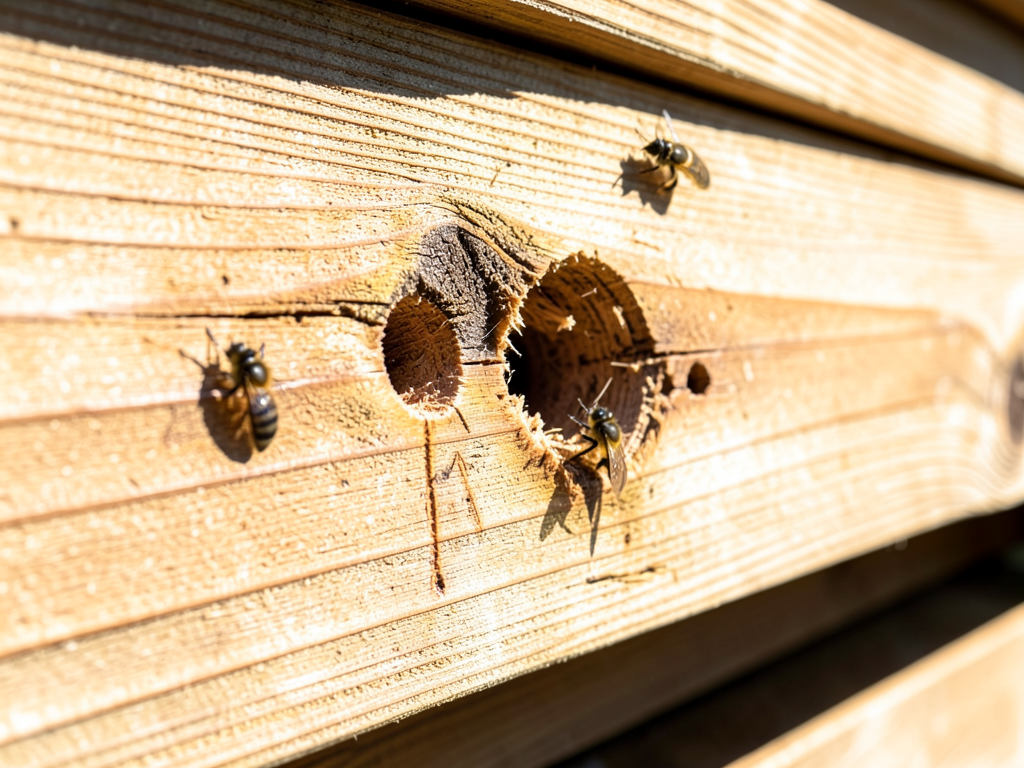
– Photo showing common entry points in St. Louis eaves with carpenter bee damage and squirrel chew marks
How Pests Gain Access: The Soffit and Fascia Connection
Pests exploit weaknesses in your roof’s edge components. The soffit is the underside of your roof overhang and the fascia is the vertical board that caps the rafters. When these elements deteriorate from moisture rot or age they create perfect entry points. In St. Louis the combination of high humidity and freeze-thaw cycles accelerates wood rot especially in older neighborhoods like Clayton and Webster Groves.
Common access points include gaps between the soffit and fascia missing drip edge flashing and damaged vent screens. Squirrels can pry open loose soffit panels while raccoons use their strength to tear through rotted wood. Bats slip through the smallest openings often around attic vents or where different building materials meet.
The St. Louis County Building Code requires proper ventilation in attic spaces to prevent moisture buildup. However many older homes were built before these standards and have inadequate protection. Modern building practices use heavy gauge steel mesh and PVC coated flashing to create pest proof barriers that still allow proper airflow.
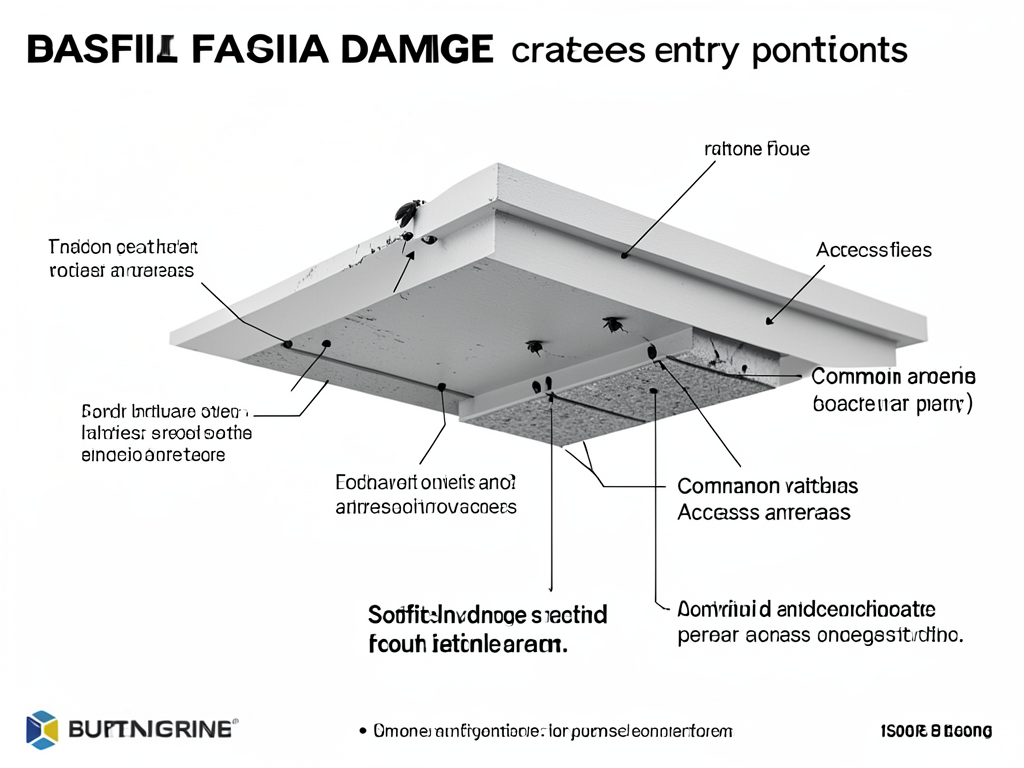
– Diagram showing how soffit and fascia damage creates entry points for wildlife
The Danger of Ignoring Eave Infestations
Delaying repairs can lead to severe structural damage. Squirrels constantly gnaw to keep their teeth sharp and will chew through electrical wiring creating fire hazards. Their nesting materials are highly flammable and can ignite from a single spark. Raccoons can collapse entire sections of soffit under their weight while bats leave corrosive guano that damages wood and metal.
Moisture intrusion is another major concern. Once pests create openings water seeps into your roof deck causing rot that spreads to rafters and trusses. In St. Louis’s climate this moisture problem is compounded by our high humidity which promotes mold growth within 24 to 48 hours of water exposure. The St. Louis Health Department warns that bat and bird droppings can harbor histoplasmosis a serious respiratory disease.
Structural integrity also suffers. Rotted fascia cannot properly support your gutter system leading to drainage problems that cause foundation issues. The weight of accumulated nesting materials can stress your roof structure. In extreme cases the roof edge can collapse creating dangerous conditions and expensive emergency repairs.
Roofing vs. Pest Control: Which Do You Need?
Understanding the difference between pest control and roofing services is crucial. Pest control experts focus on removing the animals using traps baits or exclusion devices. They can identify the species and recommend prevention strategies but they typically don’t repair the structural damage. Roofing contractors like Pioneer Roofing address the physical damage and prevent re-entry by sealing all access points.
The ideal approach combines both services. First remove the pests then repair and reinforce the damaged areas. This might include replacing rotted fascia installing new soffit panels or adding heavy gauge hardware cloth over vents. Pioneer Roofing uses exclusion techniques that go beyond simple patching. We install PVC coated steel mesh that animals cannot chew through and seal all gaps with materials that expand and contract with temperature changes.
In St. Louis many homes have unique architectural features like decorative eaves or historic wood detailing. These require specialized repair techniques to maintain the home’s character while providing modern pest protection. Pioneer Roofing understands these local nuances and can match existing materials for seamless repairs.
– Before and after photos of pest damaged eaves repaired with proper exclusion materials
St. Louis Seasonal Pest Calendar
Understanding when pests are most active in St. Louis helps with prevention. Carpenter bees emerge in early spring typically March through May when temperatures first reach 70 degrees. They drill into bare or weathered wood making new homes for their larvae. Eastern Gray Squirrels breed twice yearly in late winter and midsummer with young becoming active in spring and fall.
Bat maternity season runs from May through August in Missouri. During this time it’s illegal to exclude bats as flightless young would be trapped inside. The best time for bat exclusion is early spring or fall when bats are migrating. Raccoons are most problematic in late winter when they seek warm den sites and in spring when mothers look for safe places to raise their young. Missouri Extension wildlife damage control.
European Starlings and other birds nest from March through July. They often choose protected eave spaces for their nests. Paper wasps become active in late spring building nests under eaves and in soffit gaps. Regular inspections during these peak activity periods can catch problems before they become severe.
Preventative Measures for St. Louis Homeowners
Prevention starts with regular maintenance. Inspect your eaves twice yearly in spring and fall for signs of damage. Look for peeling paint water stains or soft spots in wood. Check that all vent screens are intact and that no gaps exist between building materials. In St. Louis’s climate wood should be treated with water repellent preservatives every few years to prevent rot.
Consider upgrading vulnerable components. Vinyl and aluminum soffits resist rot better than wood but may still have seams that pests can exploit. Modern materials include integrated pest barriers and better sealing systems. Installing proper drip edge flashing creates a sealed transition between your roof and fascia preventing both water and pest intrusion.
Professional exclusion upgrades provide the best long term protection. This includes installing heavy gauge hardware cloth over vents using stainless steel screws that won’t rust and sealing all construction gaps with polyurethane caulk that remains flexible. Pioneer Roofing offers comprehensive eave inspections that identify current problems and potential vulnerabilities before pests discover them.
The Professional Inspection Process
A thorough eave inspection involves more than just looking for obvious damage. Pioneer Roofing technicians use moisture meters to detect hidden water damage that isn’t visible to the naked eye. We check for proper ventilation which prevents the moisture buildup that attracts pests. Our inspection includes examining your entire roof edge system from drip edge to gable vents.
We look for specific signs of pest activity including gnaw marks droppings and nesting materials. Our technicians are trained to identify different species by their entry patterns and damage signatures. We also check for secondary issues like damaged insulation or compromised electrical systems that pests may have affected.
After the inspection we provide a detailed report with photos showing all findings. This includes recommended repairs prioritized by urgency. Some issues like active infestations require immediate attention while others like upgrading materials can be scheduled preventatively. We explain each recommendation so you understand exactly what needs to be done and why.
Material Considerations for Eave Repairs
The choice of repair materials affects both durability and pest resistance. Traditional wood offers the most authentic look for historic St. Louis homes but requires regular maintenance and is vulnerable to rot and pests. Modern alternatives include cellular PVC which looks like wood but resists moisture and insects. Fiber cement offers excellent durability but is heavier and may require additional structural support.
Metal options like aluminum or steel provide superior pest resistance but may not suit all architectural styles. Vinyl is affordable and low maintenance but can become brittle in extreme temperatures and may have seams that pests can exploit. The best choice depends on your home’s age style and specific vulnerabilities.
For St. Louis’s climate we recommend materials with built in UV protection and thermal expansion allowances. Our humid summers and cold winters cause significant material movement which can create gaps over time. Pioneer Roofing selects materials specifically suited to local conditions ensuring your repairs last for years not just seasons.
When to Call a Professional
Some signs indicate you need immediate professional help. Active infestations with visible animals or extensive droppings require quick action to prevent health hazards and further damage. Large entry holes chewed wiring or sagging roof edges suggest structural problems that need expert repair. If you notice multiple entry points or signs of different pest species the problem may be more complex than it appears.
DIY repairs often fail because they don’t address the root cause. Simply patching a hole without removing the pests or fixing underlying damage leads to recurring problems. Professional contractors have the tools experience and materials to provide permanent solutions. They also understand local building codes and can ensure repairs meet all requirements. Fixing Wind and Storm Damage Before It Ruins Your St. Louis Home.
If you’re unsure about the extent of damage or uncomfortable working at heights call (314) 417-7774 for a professional assessment. Pioneer Roofing offers free inspections and can recommend the most cost effective solution whether that’s minor repairs or a complete eave system upgrade.
Frequently Asked Questions
How do I know if squirrels or birds are living in my eaves?
Listen for scratching or chirping sounds especially during early morning or evening hours. Look for droppings around your home’s perimeter nesting materials in gutters or visible entry holes in soffits and fascia. You might also notice increased pest activity near your roofline or see animals entering and exiting specific areas.
Can I just seal the holes myself?
Sealing holes without first removing the animals can trap them inside leading to dead animals in your walls or more damage as they try to escape. Additionally DIY repairs often use inadequate materials that pests can easily chew through again. Professional exclusion uses proper materials and techniques for permanent results.
How much does eave repair typically cost in St. Louis?
Costs vary widely based on damage extent materials chosen and whether pest removal is needed. Minor repairs might start around $500 while complete soffit and fascia replacement can exceed $3000. The best approach is a professional inspection to get accurate pricing for your specific situation.
Will my homeowner’s insurance cover this damage?
Most policies cover damage from sudden events like storms but may exclude damage from long term neglect or normal wear. Pest damage is often considered preventable so coverage varies by policy. We can help document damage and work with your insurance company if repairs are covered.
How long does professional eave repair take?
Simple repairs might be completed in a single day while complex replacements could take several days. The timeline depends on damage extent weather conditions and material availability. We provide specific timeframes after our initial inspection and work efficiently to minimize disruption to your home. High Quality Roof Replacements for Creve Coeur Properties.
Don’t let squirrels or birds turn your eaves into their personal nesting ground. These pests can cause thousands of dollars in damage and create serious health hazards if left unchecked. The humid St. Louis climate and abundance of older homes make our area particularly vulnerable to eave infestations.
Early detection and professional repair are your best defenses. Pioneer Roofing has served the St. Louis community for years understanding the unique challenges our climate and architecture present. We don’t just patch holes we provide comprehensive solutions that keep pests out for good.
If you notice signs of wildlife in your eaves don’t wait for the problem to escalate. Call (314) 417-7774 today to schedule your free inspection. Our experienced technicians will identify all entry points assess the damage and recommend the most effective repair strategy for your home. Protect your investment and your family’s health with professional eave repair from Pioneer Roofing.
{
“@context”: “https://schema.org”,
“@type”: “BlogPosting”,
“headline”: “What to Do When Squirrels or Birds Start Living Under Your Eaves”,
“description”: “Squirrels and birds nesting in your eaves can cause serious damage. Learn how to identify entry points, prevent infestations, and protect your St. Louis home with expert roofing solutions.”,
“wordCount”: 2331,
“datePublished”: “2026-03-30T07:17:00.000Z”,
“dateModified”: “2026-03-30T07:17:00.000Z”,
“inLanguage”: “en-US”,
“mainEntityOfPage”: {
“@type”: “WebPage”,
“@id”: “https://pioneerroofingstlouis.com”
},
“publisher”: {
“@type”: “LocalBusiness”,
“name”: “Pioneer Roofing St. Louis”,
“url”: “https://pioneerroofingstlouis.com”
},
“author”: {
“@type”: “Organization”,
“name”: “Pioneer Roofing St. Louis”,
“url”: “https://pioneerroofingstlouis.com”
},
“image”: {
“@type”: “ImageObject”,
“url”: “https://pioneerroofingstlouis.com/wp-content/uploads/2026/03/what-to-do-when-squirrels-or-birds-start-living-un-1.png”
}
}
{
“@context”: “https://schema.org”,
“@type”: “RoofingContractor”,
“name”: “Pioneer Roofing St. Louis”,
“url”: “https://pioneerroofingstlouis.com”,
“address”: {
“@type”: “PostalAddress”,
“addressLocality”: “St. Louis”
},
“areaServed”: {
“@type”: “City”,
“name”: “St. Louis”
}
}
{
“@context”: “https://schema.org”,
“@type”: “FAQPage”,
“mainEntity”: [
{
“@type”: “Question”,
“name”: “Roofing vs. Pest Control: Which Do You Need?”,
“acceptedAnswer”: {
“@type”: “Answer”,
“text”: “Understanding the difference between pest control and roofing services is crucial. Pest control experts focus on removing the animals using traps baits or exclusion devices. They can identify the species and recommend prevention strategies but they typically don’t repair the structural damage. Roofing contractors like Pioneer Roofing address the physical damage and prevent re-entry by sealing all access points.”
}
},
{
“@type”: “Question”,
“name”: “How do I know if squirrels or birds are living in my eaves?”,
“acceptedAnswer”: {
“@type”: “Answer”,
“text”: “Listen for scratching or chirping sounds especially during early morning or evening hours. Look for droppings around your home’s perimeter nesting materials in gutters or visible entry holes in soffits and fascia. You might also notice increased pest activity near your roofline or see animals entering and exiting specific areas.”
}
},
{
“@type”: “Question”,
“name”: “Can I just seal the holes myself?”,
“acceptedAnswer”: {
“@type”: “Answer”,
“text”: “Sealing holes without first removing the animals can trap them inside leading to dead animals in your walls or more damage as they try to escape. Additionally DIY repairs often use inadequate materials that pests can easily chew through again. Professional exclusion uses proper materials and techniques for permanent results.”
}
},
{
“@type”: “Question”,
“name”: “How much does eave repair typically cost in St. Louis?”,
“acceptedAnswer”: {
“@type”: “Answer”,
“text”: “Costs vary widely based on damage extent materials chosen and whether pest removal is needed. Minor repairs might start around $500 while complete soffit and fascia replacement can exceed $3000. The best approach is a professional inspection to get accurate pricing for your specific situation.”
}
},
{
“@type”: “Question”,
“name”: “Will my homeowner’s insurance cover this damage?”,
“acceptedAnswer”: {
“@type”: “Answer”,
“text”: “Most policies cover damage from sudden events like storms but may exclude damage from long term neglect or normal wear. Pest damage is often considered preventable so coverage varies by policy. We can help document damage and work with your insurance company if repairs are covered.”
}
},
{
“@type”: “Question”,
“name”: “How long does professional eave repair take?”,
“acceptedAnswer”: {
“@type”: “Answer”,
“text”: “Simple repairs might be completed in a single day while complex replacements could take several days. The timeline depends on damage extent weather conditions and material availability. We provide specific timeframes after our initial inspection and work efficiently to minimize disruption to your home. High Quality Roof Replacements for Creve Coeur Properties.”
}
}
]
}
{
“@context”: “https://schema.org”,
“@type”: “BreadcrumbList”,
“itemListElement”: [
{
“@type”: “ListItem”,
“position”: 1,
“name”: “Home”,
“item”: “https://pioneerroofingstlouis.com”
},
{
“@type”: “ListItem”,
“position”: 2,
“name”: “Blog”,
“item”: “https://pioneerroofingstlouis.com/blog”
},
{
“@type”: “ListItem”,
“position”: 3,
“name”: “What to Do When Squirrels or Birds Start Living Under Your Eaves”
}
]
}
{
“@context”: “https://schema.org”,
“@type”: “Service”,
“serviceType”: “Roofing”,
“provider”: {
“@type”: “LocalBusiness”,
“name”: “Pioneer Roofing St. Louis”,
“url”: “https://pioneerroofingstlouis.com”
},
“areaServed”: {
“@type”: “City”,
“name”: “St. Louis”
},
“description”: “Squirrels and birds nesting in your eaves can cause serious damage. Learn how to identify entry points, prevent infestations, and protect your St. Louis home with expert roofing solutions.”
}