
What to Look for During a DIY Roof Inspection Before Calling a St. Louis Pro
Your roof takes a beating from St. Louis weather—hail storms in spring, high humidity in summer, and freeze-thaw cycles in winter. A quick visual inspection from the ground can help you spot early warning signs before small problems turn into expensive leaks. This guide shows you exactly what to look for and when it’s time to call a licensed St. Louis roofing contractor at (314) 417-7774. Reliable Roofing Services for Your Affton Home or Rental Property.
Safety First: The Ground-Level Inspection
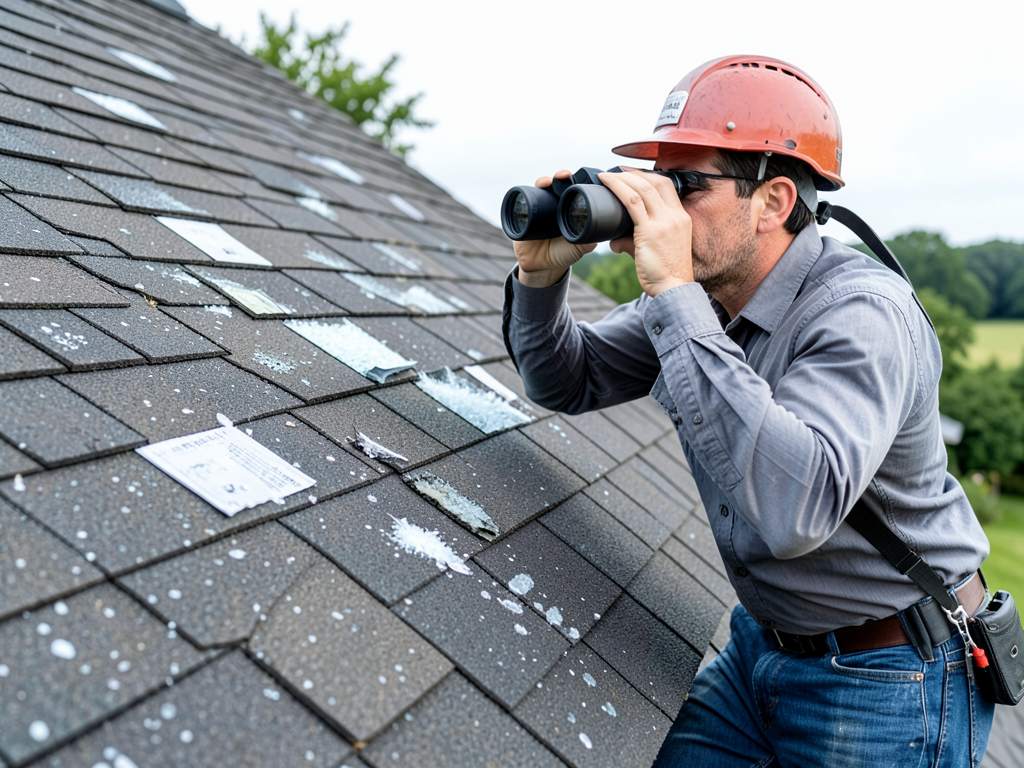
Before you climb any ladder, understand that walking on a roof is dangerous, especially for older asphalt shingles that can crack under weight. The safest approach is a ground-level inspection using binoculars. From your driveway or sidewalk, scan the roof surface for these red flags:
- Missing or lifted shingles—look for gaps along the ridge line or around vents
- Curling shingle edges—this indicates age and moisture damage
- Dark streaks or algae growth—common in St. Louis due to high humidity
- Damaged flashing around chimneys or skylights—rust or separation means water intrusion
Pay special attention to the south and west exposures, which take the most UV and hail impact in Missouri. If you see multiple problem areas, it’s time to call (314) 417-7774 for a professional assessment. Hail Damage Assessment.
The Attic Audit: Interior Signs of Roof Failure
Many roof problems start inside the attic before you see water stains on your ceiling. Grab a flashlight and head up during daylight hours. Look for these warning signs:
- Pinpoints of light through the roof boards—daylight means holes or gaps
- Water stains on rafters or insulation—brown or yellow marks indicate past leaks
- Mildew or musty odors—common in St. Louis attics due to humidity
- Damp insulation—if it feels heavy or clumpy, moisture is present
Missouri’s building code (2021 International Residential Code Section R806) requires proper attic ventilation to prevent ice dams and moisture buildup. Poor ventilation accelerates shingle aging and can void manufacturer warranties. National Weather Service.
Identifying Damage by Type
Hail Damage: Bruising vs. Blistering
Hail storms are common in St. Louis during spring and fall. Hail damage often looks like small dark spots or bruises on shingles where the impact knocked off granules. Run your hand over the surface—if you feel soft spots or see exposed fiberglass mat, the shingle is compromised. Unlike blistering (which is heat-related), hail bruises are random and concentrated in impact zones. Fixing Wind and Storm Damage Before It Ruins Your St. Louis Home.
Wind Damage: Creased Shingles and Uplift
Missouri wind gusts can exceed 60 mph during severe storms. Look for creased shingles where the tab has folded back but not completely torn off. Also check for nails that have backed out—these “nail pops” create entry points for water. The International Building Code (IBC Section 1504) requires specific fastening patterns for wind resistance in our region.
Age-Related Wear: Granule Loss and Curling
Asphalt shingles typically last 20-25 years in the Midwest climate. Check your gutters for granule buildup—these sand-like particles protect shingles from UV rays. Excessive granule loss exposes the asphalt to sun damage, causing curling and cracking. If your roof is over 15 years old and showing these signs, a professional inspection is wise.
The St. Louis Factor: Regional Weather Impacts
St. Louis sits in a unique climate zone where humidity meets temperature extremes. Our freeze-thaw cycles cause shingles to expand and contract, loosening adhesive strips. The National Weather Service reports that St. Louis averages 5-7 hail events per year, with stones often exceeding 1 inch in diameter.
Ice dams form when snow melts on warm roof sections and refreezes at the eaves. This is especially problematic for older brick homes in neighborhoods like Clayton and Webster Groves, where inadequate attic insulation meets historic architecture. Ice damming can force water under shingles, causing interior damage before you notice exterior problems.
Professional Inspection vs. DIY
A DIY inspection is valuable for spotting obvious issues, but it has limits. You cannot see underlayment damage, decking rot, or structural issues without removing shingles. Professional inspectors use infrared cameras to detect moisture in walls and thermal imaging to find heat loss patterns.
Call a pro if you notice:
- Multiple missing shingles after a storm
- Water stains spreading across ceilings
- Sagging roof sections or wavy ridgelines
- Evidence of previous “storm chaser” repairs
Storm chasers often use inferior materials and may not follow Missouri’s licensing requirements. A local contractor with a physical office in St. Louis will honor warranties and understand regional building codes.
Seasonal Maintenance Schedule for St. Louis Homes
Timing your inspections with St. Louis seasons helps catch problems early:
- Early spring: Check for winter damage and clear gutters
- Late spring: Inspect for hail damage after storm season peaks
- Early fall: Prepare for winter by checking flashing and ventilation
- Late fall: Remove leaves and debris that trap moisture
The University of Missouri Extension recommends biannual inspections for homes over 10 years old in our climate zone.
Tools for a Thorough DIY Inspection
You don’t need expensive equipment, but a few basic tools improve your inspection:
- Binoculars (8x magnification minimum)
- Moisture meter for attic checks
- Flashlight with strong beam for attic inspection
- Digital camera or smartphone for documentation
Document everything with photos. This creates a baseline for future inspections and provides evidence if you need to file an insurance claim. Most St. Louis homeowners’ policies cover sudden damage but not gradual wear, so timing matters.
Red Flags That Require Immediate Attention
Some roof problems pose immediate risks to your home’s structure and safety. Call (314) 417-7774 right away if you see:
- Active water dripping or stains spreading rapidly
- Sagging areas that feel soft when gently pressed
- Mold growth visible on ceilings or walls
- Missing large sections of shingles after a storm
Water intrusion can damage electrical systems and create health hazards within 24-48 hours. The EPA warns that mold can begin growing on wet surfaces in as little as 24-48 hours in our humid climate. EPA mold information.
Frequently Asked Questions
How often should I inspect my roof in St. Louis?
Twice yearly—once in early spring and once in early fall. After major storms, do an additional quick check from the ground.
Can I walk on my roof to inspect it?
We don’t recommend it. Roofs are slippery when wet or covered in algae, and aged shingles can crack under weight. Use binoculars from the ground instead.
What’s the average cost of a professional roof inspection in St. Louis?
Most licensed contractors charge $150-300 for a comprehensive inspection, which includes attic checks and moisture scanning. This fee is often credited toward repairs if you hire them. Who to Call for 24 Hour Roof Repairs Anywhere in St. Louis.
How do I know if hail damage is old or new?
Fresh hail damage shows clean, sharp edges where granules are missing. Older damage has weathered edges and may show algae growth in the damaged areas.
Take Action Before Small Problems Become Big Expenses
Roof problems rarely fix themselves—they get worse and more expensive with time. If your DIY inspection reveals any of the warning signs above, don’t wait for the next storm to make things worse. A quick call to (314) 417-7774 can save you thousands in water damage repairs.
Pioneer Roofing St. Louis has served the metro area for over 15 years, handling everything from minor repairs to complete replacements. Our team understands St. Louis weather patterns, building codes, and the specific challenges of our local architecture. Whether you live in a historic Clayton home or a modern Chesterfield estate, we have the expertise to protect your investment. High Quality Roof Replacements for Creve Coeur Properties.
Call (314) 417-7774 today to schedule your professional roof inspection. Don’t let another storm season pass without knowing your roof can handle whatever Missouri weather throws at it.
{
“@context”: “https://schema.org”,
“@type”: “BlogPosting”,
“headline”: “What to Look for During a DIY Roof Inspection Before Calling a St. Louis Pro”,
“description”: “Learn how to spot hail damage, wind uplift, and granule loss during a DIY roof inspection in St. Louis. Includes safety tips, attic checks, and when to call (314) 417-7774.”,
“wordCount”: 1314,
“datePublished”: “2026-03-25T07:37:00.000Z”,
“dateModified”: “2026-03-25T07:37:00.000Z”,
“inLanguage”: “en-US”,
“mainEntityOfPage”: {
“@type”: “WebPage”,
“@id”: “https://pioneerroofingstlouis.com”
},
“publisher”: {
“@type”: “LocalBusiness”,
“name”: “Pioneer Roofing St. Louis”,
“url”: “https://pioneerroofingstlouis.com”
},
“author”: {
“@type”: “Organization”,
“name”: “Pioneer Roofing St. Louis”,
“url”: “https://pioneerroofingstlouis.com”
},
“image”: {
“@type”: “ImageObject”,
“url”: “https://pioneerroofingstlouis.com/wp-content/uploads/2026/03/what-to-look-for-during-a-diy-roof-inspection-befo-1.png”
}
}
{
“@context”: “https://schema.org”,
“@type”: “RoofingContractor”,
“name”: “Pioneer Roofing St. Louis”,
“url”: “https://pioneerroofingstlouis.com”,
“address”: {
“@type”: “PostalAddress”,
“addressLocality”: “St. Louis”
},
“areaServed”: {
“@type”: “City”,
“name”: “St. Louis”
}
}
{
“@context”: “https://schema.org”,
“@type”: “FAQPage”,
“mainEntity”: [
{
“@type”: “Question”,
“name”: “How often should I inspect my roof in St. Louis?”,
“acceptedAnswer”: {
“@type”: “Answer”,
“text”: “Twice yearly—once in early spring and once in early fall. After major storms, do an additional quick check from the ground.”
}
},
{
“@type”: “Question”,
“name”: “Can I walk on my roof to inspect it?”,
“acceptedAnswer”: {
“@type”: “Answer”,
“text”: “We don’t recommend it. Roofs are slippery when wet or covered in algae, and aged shingles can crack under weight. Use binoculars from the ground instead.”
}
},
{
“@type”: “Question”,
“name”: “What’s the average cost of a professional roof inspection in St. Louis?”,
“acceptedAnswer”: {
“@type”: “Answer”,
“text”: “Most licensed contractors charge $150-300 for a comprehensive inspection, which includes attic checks and moisture scanning. This fee is often credited toward repairs if you hire them. Who to Call for 24 Hour Roof Repairs Anywhere in St. Louis.”
}
},
{
“@type”: “Question”,
“name”: “How do I know if hail damage is old or new?”,
“acceptedAnswer”: {
“@type”: “Answer”,
“text”: “Fresh hail damage shows clean, sharp edges where granules are missing. Older damage has weathered edges and may show algae growth in the damaged areas.”
}
}
]
}
{
“@context”: “https://schema.org”,
“@type”: “BreadcrumbList”,
“itemListElement”: [
{
“@type”: “ListItem”,
“position”: 1,
“name”: “Home”,
“item”: “https://pioneerroofingstlouis.com”
},
{
“@type”: “ListItem”,
“position”: 2,
“name”: “Blog”,
“item”: “https://pioneerroofingstlouis.com/blog”
},
{
“@type”: “ListItem”,
“position”: 3,
“name”: “What to Look for During a DIY Roof Inspection Before Calling a St. Louis Pro”
}
]
}
{
“@context”: “https://schema.org”,
“@type”: “Service”,
“serviceType”: “Roofing”,
“provider”: {
“@type”: “LocalBusiness”,
“name”: “Pioneer Roofing St. Louis”,
“url”: “https://pioneerroofingstlouis.com”
},
“areaServed”: {
“@type”: “City”,
“name”: “St. Louis”
},
“description”: “Learn how to spot hail damage, wind uplift, and granule loss during a DIY roof inspection in St. Louis. Includes safety tips, attic checks, and when to call (314) 417-7774.”
}