
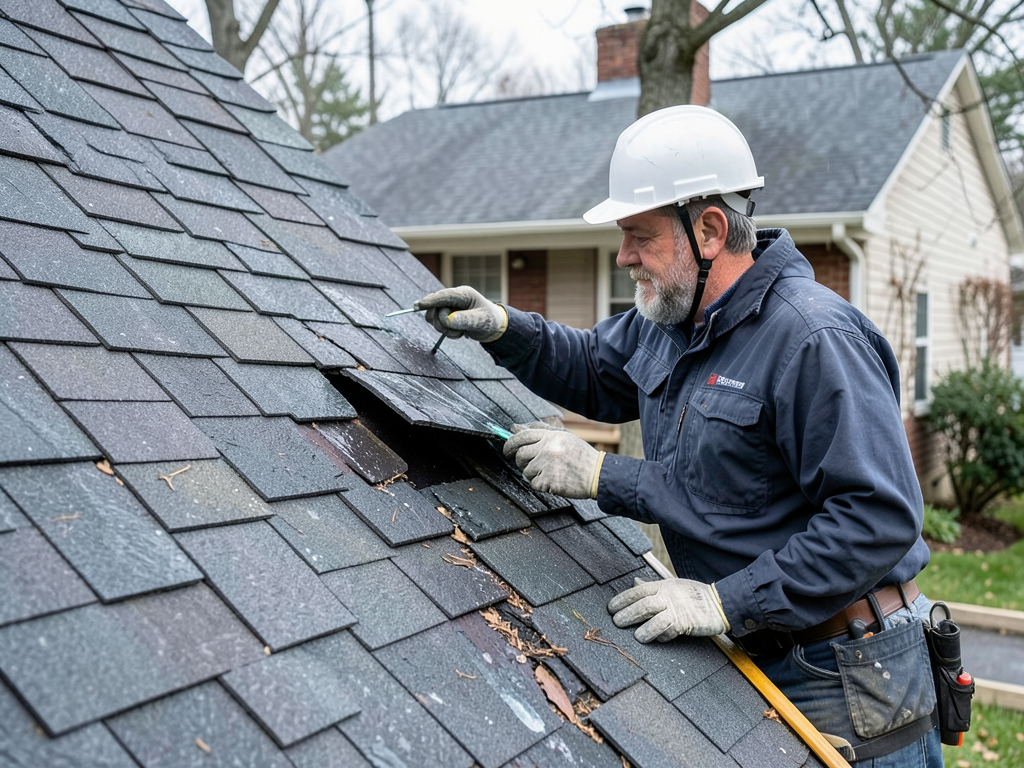
Who is Responsible for Roof Leaks in a St. Louis Rental Property (A Guide for Landlords and Tenants)
Roof leaks create immediate stress for both landlords and tenants in St. Louis. When water drips through your ceiling, you need to know exactly who handles repairs and who pays the bill. Missouri law provides clear answers through the Implied Warranty of Habitability and specific repair statutes. This guide breaks down exactly what happens when your rental roof fails. Missouri Revised Statute 441.234.
Missouri landlords must maintain roofs in good repair as part of their legal duty to provide habitable housing. Tenants have specific notification requirements and limited repair rights under state law. Understanding these obligations prevents costly disputes and ensures proper maintenance of your rental property.
St. Louis weather patterns create unique challenges for rental roofs. Hail storms, high winds, and freeze-thaw cycles accelerate wear on roofing materials. Local building codes require specific installation standards that affect repair responsibilities. This guide covers everything from emergency leak response to long-term maintenance obligations. St. Louis Building Division.
The Implied Warranty of Habitability in Missouri
Missouri law requires landlords to provide rental properties that are safe and livable. This includes maintaining structural elements like roofs in good working condition. A leaking roof violates this warranty because it creates unsafe living conditions and property damage. Hail Damage Assessment.
Under Missouri law, landlords must ensure rental properties meet basic health and safety standards. This includes providing a roof that keeps out rain, snow, and other elements. When a roof fails, it creates immediate habitability issues including water damage, mold growth, and electrical hazards.
St. Louis Building Division inspectors enforce these standards through local building codes. They require roofs to maintain structural integrity and water resistance. Violations can result in citations, fines, and mandatory repairs. Landlords cannot ignore roof problems without facing legal consequences. Who to Call for 24 Hour Roof Repairs Anywhere in St. Louis.
The warranty applies to all rental properties regardless of lease terms. Even if a lease attempts to shift maintenance responsibilities to tenants, Missouri law still requires landlords to maintain habitable conditions. This protects tenants from unsafe living situations caused by roof failures.
Missouri Revised Statute 441.234: The Repair and Deduct Law
Missouri tenants have specific rights under RSMo 441.234 when landlords fail to make necessary repairs. This statute allows tenants to pay for repairs themselves and deduct the cost from rent under certain conditions. Understanding these requirements prevents legal problems for both parties.
The law requires tenants to provide written notice to landlords about needed repairs. This notice must give landlords a reasonable time to respond, typically 14 days for non-emergency repairs. The notice should describe the problem clearly and request specific action.
Tenants can only use the repair and deduct remedy for serious defects that affect health or safety. Roof leaks that cause water damage, mold growth, or structural problems qualify. Minor cosmetic issues or normal wear and tear do not justify using this remedy.
Financial limits apply to repair and deduct actions. Tenants cannot spend more than $300 or half their monthly rent, whichever is greater. This cap prevents excessive charges for major repairs that should be handled by landlords or insurance companies.
The repair must be done by qualified contractors who can provide receipts. Tenants should keep all documentation including notices, repair invoices, and photos of damage. This paperwork protects both parties if disputes arise later.
Landlord vs. Tenant: Who Pays for What?
Responsibility for roof repairs depends on the cause of damage and specific circumstances. Missouri law creates clear distinctions between landlord obligations and tenant responsibilities. Understanding these differences prevents misunderstandings and legal conflicts.
| Damage Type | Responsible Party | Typical Cost Range |
|---|---|---|
| Storm damage (hail, wind) | Landlord | $500 – $10,000+ |
| Normal wear and tear | Landlord | $300 – $5,000 |
| Tenant negligence | Tenant | $200 – $3,000 |
| Improper installation | Landlord | $1,000 – $8,000 |
| Code violations | Landlord | $500 – $7,000 |
Storm damage represents the most common roof repair scenario in St. Louis. Hail storms can destroy shingles and flashing in minutes. High winds can tear off entire roof sections. These events require immediate landlord response to prevent further damage. Fixing Wind and Storm Damage Before It Ruins Your St. Louis Home.
Normal wear and tear accumulates over time through weather exposure and material aging. Asphalt shingles typically last 15-25 years in Missouri’s climate. Landlords must budget for eventual replacement as part of property maintenance.
Tenant negligence includes activities that damage roofs through misuse or carelessness. This might include hanging heavy objects from gutters, walking on fragile surfaces, or failing to report problems promptly. Tenants pay for damage they cause.
Improper installation by previous contractors creates liability for current landlords. If a roof fails due to poor workmanship, the landlord must repair it regardless of when the installation occurred. This includes missing flashing, inadequate underlayment, or incorrect nailing patterns.
Steps for St. Louis Tenants to Request a Roof Repair
Tenants must follow specific procedures to request repairs legally. Missouri law requires written notice with clear documentation of problems. Following these steps protects both tenant rights and landlord interests.
Start by documenting the leak thoroughly. Take photos of water stains, dripping water, and any visible damage. Note when the problem started and any weather events that might have caused it. This documentation helps establish the timeline and severity of the issue.
Write a formal repair request letter to your landlord. Include your name, address, and specific description of the problem. State that the roof leak creates unsafe living conditions. Request repairs within 14 days of receipt. Send the letter by certified mail with return receipt requested.
Keep copies of all correspondence and documentation. Take photos after rain events to show active leaks. Document any property damage caused by the leak including damaged belongings or structural issues. This evidence supports your repair request.
Follow up if you don’t receive a response within the required timeframe. Send a second notice reminding the landlord of their legal obligations. Document all attempts to communicate about the problem. This creates a clear record if legal action becomes necessary.
St. Louis Building Codes and Compliance
St. Louis County and City enforce specific building codes that affect roof repair responsibilities. These codes establish minimum standards for roof construction, materials, and maintenance. Compliance affects both legal liability and insurance coverage.
The St. Louis Building Division requires roofs to maintain structural integrity and weather resistance. This includes proper flashing installation, adequate underlayment, and appropriate slope for drainage. Violations can result in citations and mandatory repairs.
Ice and water shield requirements apply in Missouri due to freeze-thaw cycles. Building codes typically require this protective membrane in valleys and along eaves. Without proper ice protection, roofs fail prematurely and create liability for landlords.
Wind uplift ratings matter in St. Louis due to frequent storms. Building codes specify minimum fastener patterns and material ratings for different wind zones. Roofs that don’t meet these standards may fail during normal weather events.
Energy efficiency requirements affect roof installations. Proper ventilation prevents moisture buildup and extends roof life. Building codes mandate specific ventilation ratios and insulation requirements that impact repair decisions.
Emergency Situations: When a Roof Leak Becomes an Urgent Hazard
Some roof problems require immediate action to prevent serious damage or injury. Missouri law recognizes emergency situations where landlords must respond faster than the standard 14-day notice period. Understanding these criteria helps prioritize repairs.
Active water intrusion that threatens electrical systems creates immediate hazards. Water pouring into light fixtures or near outlets requires emergency response. This prevents fire risks and electrocution dangers that could injure tenants or damage property.
Structural collapse potential represents another emergency situation. Large sections of ceiling showing water damage or sagging indicate imminent failure. These conditions require immediate stabilization to prevent injury from falling materials.
Mold growth from prolonged leaks creates health hazards. Certain mold species produce toxins that cause respiratory problems and other health issues. When mold appears, the underlying leak requires immediate repair to prevent further contamination.
Weather forecasts affect emergency response timing. If severe storms approach, temporary repairs may be necessary to prevent additional damage. Landlords must balance immediate protection against permanent repair needs.
Common Roof Problems in St. Louis Rental Properties
St. Louis weather creates specific roof failure patterns that affect rental properties differently than owner-occupied homes. Understanding these common problems helps identify issues early and determine responsibility for repairs.
Hail damage represents the most frequent insurance claim in Missouri. Hail stones can bruise or crack shingles, creating entry points for water. This damage often looks minor but causes significant leaks over time. Landlords typically handle hail damage through insurance claims.
Wind damage affects roof edges and vulnerable areas first. Missing shingles, damaged flashing, and lifted edges allow water infiltration. High winds common in St. Louis can strip entire roof sections if installation is inadequate.
Ice dam formation causes winter leaks in many St. Louis homes. Poor attic ventilation allows snow to melt and refreeze at roof edges. This creates backup that forces water under shingles. Landlords must ensure proper ventilation to prevent ice dams.
Flashing failures around chimneys, vents, and skylights cause localized leaks. These areas require periodic maintenance as sealants deteriorate. Age and weather exposure make flashing problems common in older rental properties.. Read more about How to Tell if Your Wildwood Skylight is Leaking or Just Dealing with Condensation.
Insurance Considerations for Roof Damage
Insurance coverage affects who ultimately pays for roof repairs. Most landlord insurance policies cover sudden damage but exclude normal wear and tear. Understanding policy terms helps determine financial responsibility for different types of damage.
Comprehensive landlord insurance typically covers storm damage including hail, wind, and falling trees. These policies pay for repairs minus deductibles, which often range from $500 to $2,000. Landlords should review their coverage to understand specific inclusions and exclusions.
Tenant insurance covers personal property damage but not structural repairs. When roof leaks damage tenant belongings, their renters insurance typically pays for replacement. This coverage is separate from landlord responsibilities for building repairs.
Neglect exclusions in insurance policies can affect coverage. If landlords fail to maintain roofs properly, insurance companies may deny claims for preventable damage. Regular inspections and maintenance protect both property and insurance coverage.
Documentation requirements affect insurance claims. Insurers need proof of damage, repair estimates, and sometimes inspection reports. Landlords should maintain records of roof condition and any previous repairs to support future claims.
Preventing Roof Problems in Rental Properties
Proactive maintenance prevents many roof problems and reduces repair costs. Regular inspections identify issues before they become major problems. This approach benefits both landlords and tenants by maintaining property value and preventing disputes.
Annual roof inspections catch problems early. Professional inspectors check for damaged shingles, deteriorated flashing, and ventilation issues. They also identify potential code violations that could cause future problems. These inspections typically cost $150-$300 but prevent much larger repair bills.
Gutter maintenance prevents water backup that damages roofs and foundations. Clogged gutters cause ice dams and overflow that deteriorates roofing materials. Landlords should ensure gutters remain clear, especially before rainy seasons. Reliable Roofing Services for Your Affton Home or Rental Property.
Tree trimming protects roofs from physical damage. Overhanging branches drop debris and can fall during storms. Regular pruning prevents this damage and improves roof ventilation. This maintenance typically costs $200-$500 depending on tree size and location.
Tenant education helps prevent damage. Providing guidelines about proper roof use and reporting procedures helps tenants identify problems early. Clear communication channels ensure issues get reported before they become major problems.
Legal Remedies for Unresolved Roof Issues
When landlords refuse to make necessary repairs, tenants have legal options beyond repair and deduct. Missouri law provides several remedies for habitability violations including rent withholding and constructive eviction claims. Understanding these options helps tenants protect their rights.
Rent withholding allows tenants to withhold rent when landlords fail to maintain habitable conditions. This remedy requires following specific procedures including written notice and opportunity for repairs. Courts examine whether conditions truly violate habitability standards.
Constructive eviction occurs when conditions make a property uninhabitable. If landlords fail to repair serious roof leaks, tenants may legally move out without further rent obligation. This remedy requires proving conditions were severe enough to justify relocation.
Small claims court provides another option for unresolved disputes. Tenants can sue for damages including property loss, relocation costs, and rent abatement. Documentation becomes crucial for these legal actions to succeed.
Local housing authorities may assist with severe habitability violations. St. Louis Building Division can inspect properties and issue citations for code violations. These enforcement actions create pressure for landlords to make necessary repairs.
Working with Roofing Contractors
Professional roofing contractors provide expertise that helps resolve disputes and ensure proper repairs. Their inspections and documentation support insurance claims and legal proceedings. Choosing qualified contractors protects both property and legal interests.
Roofing contractors should be licensed and insured in Missouri. Verify credentials through the Missouri Department of Labor and Industrial Relations. Proper licensing ensures contractors meet state requirements for workmanship and safety.
Detailed inspection reports help establish repair needs and costs. Professional contractors document damage with photos and measurements. These reports support insurance claims and provide evidence for legal proceedings if needed.
Warranty considerations affect repair decisions. Quality contractors offer warranties on both materials and workmanship. These warranties provide protection against future problems and demonstrate contractor confidence in their work. High Quality Roof Replacements for Creve Coeur Properties.
Emergency response capabilities matter for active leaks. Contractors should offer 24/7 emergency service for severe problems. Quick response prevents additional damage and demonstrates professional commitment to customer service.
Frequently Asked Questions
How long does a landlord have to fix a roof leak in Missouri?
Missouri law requires landlords to respond to repair requests within 14 days for non-emergency situations. Emergency leaks that threaten safety or cause major damage require immediate response. The exact timeframe depends on the severity of the problem and weather conditions.
Can a tenant withhold rent for a leaking roof?
Yes, but only after following proper procedures. Tenants must provide written notice and allow reasonable time for repairs. If landlords fail to respond, tenants may withhold rent for uninhabitable conditions. This requires documentation and may need legal consultation.
Who pays for water damage from a roof leak?
Landlords pay for structural repairs and building damage. Tenants pay for damage to their personal property through renters insurance. The specific cause of the leak determines responsibility for repair costs.
What constitutes an emergency roof leak?
Emergency leaks involve active water intrusion that threatens electrical systems, causes structural damage, or creates immediate safety hazards. Leaks during severe weather that could cause additional damage also qualify as emergencies requiring immediate response.
How can tenants prove a roof leak existed before moving in?
Tenants should document property condition during move-in with photos and written descriptions. Review previous inspection reports if available. Report any existing problems immediately in writing to establish the timeline of damage.
Do landlords have to provide temporary housing during roof repairs?
Missouri law doesn’t require temporary housing, but landlords may need to provide it for severe habitability violations. The specific circumstances and duration of repairs affect this requirement. Some leases include provisions for temporary accommodations.
Conclusion
Understanding roof leak responsibilities in St. Louis rental properties prevents costly disputes and ensures proper maintenance. Missouri law clearly establishes landlord obligations for habitability while providing tenants specific rights for requesting repairs. Following proper procedures protects both parties’ interests.
St. Louis weather patterns create unique challenges that affect repair timing and costs. Regular maintenance, proper documentation, and professional inspections help prevent major problems. When issues arise, knowing your legal rights and responsibilities ensures proper resolution.
Roof leaks require prompt attention to prevent escalating damage and legal complications. Whether you’re a landlord or tenant, understanding these responsibilities helps maintain safe, habitable rental properties throughout the St. Louis area.
Don’t let roof leaks create bigger problems for your rental property. Call (314) 417-7774 today to schedule your inspection before the next storm hits. Our experienced team understands Missouri law and local building codes, ensuring proper repairs that protect your investment and keep your tenants safe.
{
“@context”: “https://schema.org”,
“@type”: “BlogPosting”,
“headline”: “Who is Responsible for Roof Leaks in a St. Louis Rental Property (A Guide for Landlords and Tenants)”,
“description”: “Confused about roof leak responsibilities in your St. Louis rental? This guide explains Missouri law, landlord obligations, and tenant rights with specific local building codes.”,
“wordCount”: 2665,
“datePublished”: “2026-06-08T09:34:00.000Z”,
“dateModified”: “2026-06-08T09:34:00.000Z”,
“inLanguage”: “en-US”,
“mainEntityOfPage”: {
“@type”: “WebPage”,
“@id”: “https://pioneerroofingstlouis.com”
},
“publisher”: {
“@type”: “LocalBusiness”,
“name”: “Pioneer Roofing St. Louis”,
“url”: “https://pioneerroofingstlouis.com”
},
“author”: {
“@type”: “Organization”,
“name”: “Pioneer Roofing St. Louis”,
“url”: “https://pioneerroofingstlouis.com”
},
“image”: {
“@type”: “ImageObject”,
“url”: “https://pioneerroofingstlouis.com/wp-content/uploads/2026/03/who-is-responsible-for-roof-leaks-in-a-st-louis-re-1.png”
}
}
{
“@context”: “https://schema.org”,
“@type”: “RoofingContractor”,
“name”: “Pioneer Roofing St. Louis”,
“url”: “https://pioneerroofingstlouis.com”,
“address”: {
“@type”: “PostalAddress”,
“addressLocality”: “St. Louis”
},
“areaServed”: {
“@type”: “City”,
“name”: “St. Louis”
}
}
{
“@context”: “https://schema.org”,
“@type”: “FAQPage”,
“mainEntity”: [
{
“@type”: “Question”,
“name”: “Landlord vs. Tenant: Who Pays for What?”,
“acceptedAnswer”: {
“@type”: “Answer”,
“text”: “Responsibility for roof repairs depends on the cause of damage and specific circumstances. Missouri law creates clear distinctions between landlord obligations and tenant responsibilities. Understanding these differences prevents misunderstandings and legal conflicts.”
}
},
{
“@type”: “Question”,
“name”: “How long does a landlord have to fix a roof leak in Missouri?”,
“acceptedAnswer”: {
“@type”: “Answer”,
“text”: “Missouri law requires landlords to respond to repair requests within 14 days for non-emergency situations. Emergency leaks that threaten safety or cause major damage require immediate response. The exact timeframe depends on the severity of the problem and weather conditions.”
}
},
{
“@type”: “Question”,
“name”: “Can a tenant withhold rent for a leaking roof?”,
“acceptedAnswer”: {
“@type”: “Answer”,
“text”: “Yes, but only after following proper procedures. Tenants must provide written notice and allow reasonable time for repairs. If landlords fail to respond, tenants may withhold rent for uninhabitable conditions. This requires documentation and may need legal consultation.”
}
},
{
“@type”: “Question”,
“name”: “Who pays for water damage from a roof leak?”,
“acceptedAnswer”: {
“@type”: “Answer”,
“text”: “Landlords pay for structural repairs and building damage. Tenants pay for damage to their personal property through renters insurance. The specific cause of the leak determines responsibility for repair costs.”
}
},
{
“@type”: “Question”,
“name”: “What constitutes an emergency roof leak?”,
“acceptedAnswer”: {
“@type”: “Answer”,
“text”: “Emergency leaks involve active water intrusion that threatens electrical systems, causes structural damage, or creates immediate safety hazards. Leaks during severe weather that could cause additional damage also qualify as emergencies requiring immediate response.”
}
},
{
“@type”: “Question”,
“name”: “How can tenants prove a roof leak existed before moving in?”,
“acceptedAnswer”: {
“@type”: “Answer”,
“text”: “Tenants should document property condition during move-in with photos and written descriptions. Review previous inspection reports if available. Report any existing problems immediately in writing to establish the timeline of damage.”
}
},
{
“@type”: “Question”,
“name”: “Do landlords have to provide temporary housing during roof repairs?”,
“acceptedAnswer”: {
“@type”: “Answer”,
“text”: “Missouri law doesn’t require temporary housing, but landlords may need to provide it for severe habitability violations. The specific circumstances and duration of repairs affect this requirement. Some leases include provisions for temporary accommodations.”
}
}
]
}
{
“@context”: “https://schema.org”,
“@type”: “BreadcrumbList”,
“itemListElement”: [
{
“@type”: “ListItem”,
“position”: 1,
“name”: “Home”,
“item”: “https://pioneerroofingstlouis.com”
},
{
“@type”: “ListItem”,
“position”: 2,
“name”: “Blog”,
“item”: “https://pioneerroofingstlouis.com/blog”
},
{
“@type”: “ListItem”,
“position”: 3,
“name”: “Who is Responsible for Roof Leaks in a St. Louis Rental Property (A Guide for Landlords and Tenants)”
}
]
}
{
“@context”: “https://schema.org”,
“@type”: “Service”,
“serviceType”: “Roofing”,
“provider”: {
“@type”: “LocalBusiness”,
“name”: “Pioneer Roofing St. Louis”,
“url”: “https://pioneerroofingstlouis.com”
},
“areaServed”: {
“@type”: “City”,
“name”: “St. Louis”
},
“description”: “Confused about roof leak responsibilities in your St. Louis rental? This guide explains Missouri law, landlord obligations, and tenant rights with specific local building codes.”
}