
Heavy rains are coming to the St. Louis area and your roof flashing might be the weak link that lets water into your Ferguson home. Roof flashing protects the most vulnerable areas of your roof—around chimneys, valleys, and vents—and when it fails, leaks start immediately. In Ferguson’s climate, where we get freeze-thaw cycles and sudden downpours, damaged flashing can turn a small problem into major water damage within hours. Hail Damage Assessment.
Common Signs Your Roof Flashing Needs Repair in Ferguson
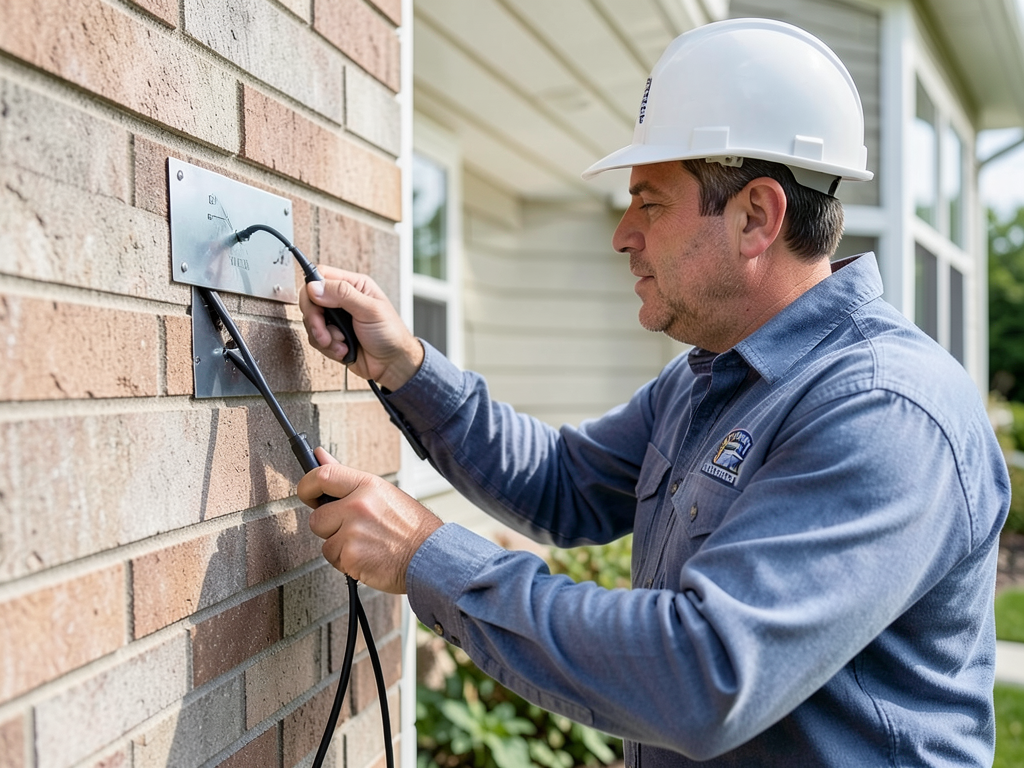
Water damage from failing flashing shows up in specific ways. You might see water stains on your ceiling near exterior walls or in corners where the roof meets a chimney. Rust streaks running down your siding indicate metal flashing is deteriorating. If you notice peeling paint or warped drywall near roof lines, that’s often water traveling from a flashing failure point.. Read more about Why Your Rock Hill Chimney Keeps Leaking (And How a Cricket Fixes It).
During heavy rains, listen for dripping sounds in your attic or check for damp insulation near roof penetrations. Mold growth on exterior walls or in attic spaces points to chronic moisture intrusion from compromised flashing. In Ferguson’s older neighborhoods like Bermuda or January-Wabash, many homes have original flashing that’s reached the end of its service life.
Types of Roof Flashing We Repair in Ferguson Homes
Different areas of your roof need different flashing types. Step flashing works along walls and chimneys, creating a water-shedding barrier where shingles meet vertical surfaces. Valley flashing handles the channels where two roof planes meet, directing water flow away from your home. Apron flashing protects the lower edges of chimneys and skylights.
Dormer flashing prevents water from getting behind siding on second-story additions common in Ferguson’s post-war housing. Vent pipe boots seal around plumbing stacks and exhaust vents. Each type faces different stress factors in our climate—valley flashing deals with the highest water volume, while chimney flashing endures the most temperature cycling.
Our Ferguson Flashing Repair Process
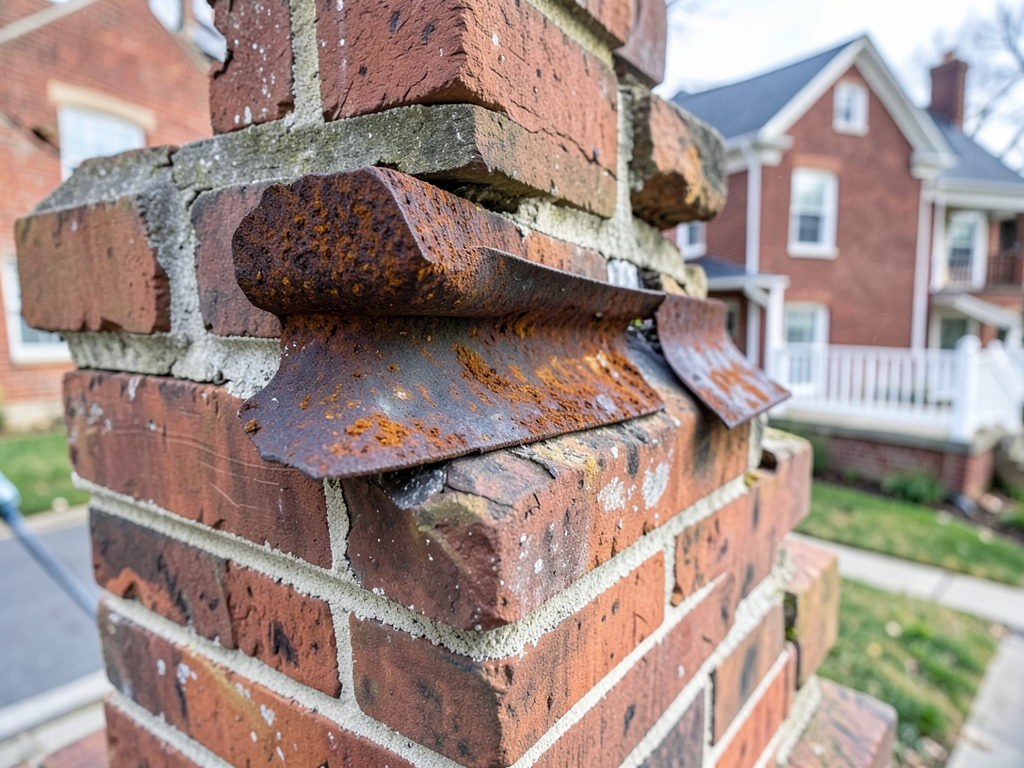
We start with a comprehensive inspection using moisture meters and thermal imaging to locate all failure points. Our technicians check for gaps in sealant, rusted metal, and separation from roofing materials. We document everything with photos so you understand exactly what needs repair. EPA mold information.
Repair involves removing damaged sections, cleaning the substrate, and installing new flashing matched to your existing roof material. We use galvanized steel or copper depending on your home’s age and style—copper lasts longer but costs more upfront. All new flashing gets sealed with high-grade polyurethane that withstands Ferguson’s temperature swings.
We test repairs with water before considering the job complete. This ensures no water can penetrate during the next heavy rain. Most Ferguson flashing repairs take one day, and we clean up thoroughly afterward. Who to Call for 24 Hour Roof Repairs Anywhere in St. Louis.
Cost Factors for Flashing Repair in the Ferguson Area
Flashing repair costs in Ferguson depend on several factors. Simple step flashing repairs along a wall might cost $300-600, while complex valley flashing replacement can run $800-1,500. Chimney flashing repairs typically range from $400-900 depending on height and accessibility.
Copper flashing costs 30-50% more than galvanized steel but lasts 2-3 times longer. Homes in historic districts like Bermuda may require specific materials to maintain architectural integrity. Emergency repairs during active leaks cost more due to after-hours labor rates and the need for immediate water mitigation.
Insurance may cover flashing repairs if damage results from covered perils like wind or hail. We provide detailed documentation for claims, including before and after photos and moisture readings.
Why Ferguson Homes Are Vulnerable to Flashing Failure
Ferguson’s location in north St. Louis County exposes homes to specific weather patterns. We get more freeze-thaw cycles than areas closer to the river, causing flashing materials to expand and contract repeatedly. This movement breaks down sealants and creates gaps over time.
Many Ferguson homes built in the 1950s-1970s used thinner gauge metal for flashing that’s now deteriorating. The area’s clay soil also causes foundation shifts that can misalign roof structures, putting extra stress on flashing connections. Homes near Coldwater Creek may experience higher humidity levels that accelerate metal corrosion.
Recent storms have shown that homes with original flashing from the 1980s or earlier are particularly vulnerable. The combination of age, material quality, and our climate creates a perfect storm for flashing failure. Fixing Wind and Storm Damage Before It Ruins Your St. Louis Home.
Emergency Flashing Repair: What to Do When Water Is Coming In
If you see active water intrusion during a storm, place buckets under drips and move valuables away from affected areas. Do not attempt to climb on your roof—wet surfaces are extremely slippery and dangerous. Instead, call us immediately at (314) 417-7774. We offer 24/7 emergency service throughout Ferguson and north St. Louis County.
While waiting for help, you can minimize interior damage by poking small holes in ceiling drywall where water is pooling. This prevents ceiling collapse and directs water into buckets. Document everything with photos for insurance purposes.
We bring tarps and temporary sealing materials to stop active leaks immediately. Our emergency teams can usually arrive within 2 hours of your call in the Ferguson area.
Preventing Future Flashing Problems
Annual roof inspections catch flashing issues before they cause interior damage. We check all sealants, look for rust or deterioration, and ensure all connections remain watertight. Homes near trees need more frequent inspections since falling branches can damage flashing.
Cleaning gutters regularly prevents ice dam formation that can back water under flashing. In Ferguson’s climate, we recommend inspections every spring and fall to prepare for storm seasons. Homes with complex roof designs or multiple penetrations need extra attention to flashing maintenance.
Consider upgrading to copper flashing when replacing your roof. While more expensive initially, copper flashing can last 50+ years in our climate versus 15-20 for galvanized steel.
Frequently Asked Questions
How long should roof flashing last in Ferguson?
Galvanized steel flashing typically lasts 15-25 years in our climate. Copper flashing can last 50+ years. Age alone doesn’t determine replacement need—exposure to harsh weather, poor installation, or foundation movement can shorten lifespan significantly.
Can I repair flashing myself?
DIY flashing repair is risky. Improper installation can void your roof warranty and create larger leaks. Working on roofs requires safety equipment and experience. We’ve seen many cases where DIY attempts made problems worse, costing homeowners more in the long run.
Will my insurance cover flashing repairs?
Insurance typically covers flashing damage from sudden events like storms or fallen trees. Normal wear and tear from age usually isn’t covered. We provide detailed documentation to help with claims when coverage applies.
How quickly can you repair flashing?
Most repairs take 1-2 days. Emergency leaks get immediate temporary fixes within hours, with permanent repairs scheduled as soon as weather permits. We prioritize Ferguson homes during storm seasons since we know how quickly water damage spreads.
What’s the difference between flashing and sealant?
Flashing is the metal barrier that directs water away from vulnerable areas. Sealant is the caulk or roofing cement that creates watertight joints between flashing and other materials. Both need to work together—flashing provides the structure, sealant provides the water barrier. Reliable Roofing Services for Your Affton Home or Rental Property.
Don’t Wait for the Next Storm
Water damage from failed flashing spreads quickly through your home’s structure. What starts as a small leak can lead to rotted decking, mold growth, and damaged insulation within days. In Ferguson’s climate, where storms can drop several inches of rain in hours, you can’t afford to wait.
Our team knows Ferguson’s specific roofing challenges—from the freeze-thaw cycles to the age of local housing stock. We’ve repaired hundreds of flashing systems throughout north St. Louis County and understand what works in our climate. How to Navigate a Roofing Insurance Claim After a St. Louis Hail Storm.
Call (314) 417-7774 today to schedule your flashing inspection. We’ll check your entire roof system and provide a clear plan to protect your home before the next rain hits. Don’t let a small flashing problem turn into a major repair—pick up the phone and call (314) 417-7774 now. For more information, visit FEMA flood prevention guide.
{
“@context”: “https://schema.org”,
“@type”: “BlogPosting”,
“headline”: “Why Your Ferguson Home Might Need New Roof Flashing Before the Next Rain”,
“description”: “Is your Ferguson roof flashing failing? Learn the signs, costs, and repair process for St. Louis homes before the next storm hits. Call (314) 417-7774 for an inspection.”,
“wordCount”: 1357,
“datePublished”: “2026-04-01T09:52:00.000Z”,
“dateModified”: “2026-04-01T09:52:00.000Z”,
“inLanguage”: “en-US”,
“mainEntityOfPage”: {
“@type”: “WebPage”,
“@id”: “https://pioneerroofingstlouis.com”
},
“publisher”: {
“@type”: “LocalBusiness”,
“name”: “Pioneer Roofing St. Louis”,
“url”: “https://pioneerroofingstlouis.com”
},
“author”: {
“@type”: “Organization”,
“name”: “Pioneer Roofing St. Louis”,
“url”: “https://pioneerroofingstlouis.com”
},
“image”: {
“@type”: “ImageObject”,
“url”: “https://pioneerroofingstlouis.com/wp-content/uploads/2026/03/why-your-ferguson-home-might-need-new-roof-flashin-1.png”
}
}
{
“@context”: “https://schema.org”,
“@type”: “RoofingContractor”,
“name”: “Pioneer Roofing St. Louis”,
“url”: “https://pioneerroofingstlouis.com”,
“address”: {
“@type”: “PostalAddress”,
“addressLocality”: “St. Louis”
},
“areaServed”: {
“@type”: “City”,
“name”: “St. Louis”
}
}
{
“@context”: “https://schema.org”,
“@type”: “FAQPage”,
“mainEntity”: [
{
“@type”: “Question”,
“name”: “How long should roof flashing last in Ferguson?”,
“acceptedAnswer”: {
“@type”: “Answer”,
“text”: “Galvanized steel flashing typically lasts 15-25 years in our climate. Copper flashing can last 50+ years. Age alone doesn’t determine replacement need—exposure to harsh weather, poor installation, or foundation movement can shorten lifespan significantly.”
}
},
{
“@type”: “Question”,
“name”: “Can I repair flashing myself?”,
“acceptedAnswer”: {
“@type”: “Answer”,
“text”: “DIY flashing repair is risky. Improper installation can void your roof warranty and create larger leaks. Working on roofs requires safety equipment and experience. We’ve seen many cases where DIY attempts made problems worse, costing homeowners more in the long run.”
}
},
{
“@type”: “Question”,
“name”: “Will my insurance cover flashing repairs?”,
“acceptedAnswer”: {
“@type”: “Answer”,
“text”: “Insurance typically covers flashing damage from sudden events like storms or fallen trees. Normal wear and tear from age usually isn’t covered. We provide detailed documentation to help with claims when coverage applies.”
}
},
{
“@type”: “Question”,
“name”: “How quickly can you repair flashing?”,
“acceptedAnswer”: {
“@type”: “Answer”,
“text”: “Most repairs take 1-2 days. Emergency leaks get immediate temporary fixes within hours, with permanent repairs scheduled as soon as weather permits. We prioritize Ferguson homes during storm seasons since we know how quickly water damage spreads.”
}
},
{
“@type”: “Question”,
“name”: “What’s the difference between flashing and sealant?”,
“acceptedAnswer”: {
“@type”: “Answer”,
“text”: “Flashing is the metal barrier that directs water away from vulnerable areas. Sealant is the caulk or roofing cement that creates watertight joints between flashing and other materials. Both need to work together—flashing provides the structure, sealant provides the water barrier. Reliable Roofing Services for Your Affton Home or Rental Property.”
}
}
]
}
{
“@context”: “https://schema.org”,
“@type”: “BreadcrumbList”,
“itemListElement”: [
{
“@type”: “ListItem”,
“position”: 1,
“name”: “Home”,
“item”: “https://pioneerroofingstlouis.com”
},
{
“@type”: “ListItem”,
“position”: 2,
“name”: “Blog”,
“item”: “https://pioneerroofingstlouis.com/blog”
},
{
“@type”: “ListItem”,
“position”: 3,
“name”: “Why Your Ferguson Home Might Need New Roof Flashing Before the Next Rain”
}
]
}
{
“@context”: “https://schema.org”,
“@type”: “Service”,
“serviceType”: “Roofing”,
“provider”: {
“@type”: “LocalBusiness”,
“name”: “Pioneer Roofing St. Louis”,
“url”: “https://pioneerroofingstlouis.com”
},
“areaServed”: {
“@type”: “City”,
“name”: “St. Louis”
},
“description”: “Is your Ferguson roof flashing failing? Learn the signs, costs, and repair process for St. Louis homes before the next storm hits. Call (314) 417-7774 for an inspection.”
}