
Why Your Large Masonry Chimney Needs a Roof Cricket to Prevent Water Pooling
Large masonry chimneys in St. Louis create a perfect storm for water damage. When your chimney sits on a sloped roof, it forms a valley where water, snow, and debris collect. Without a properly installed roof cricket, that water pools against your chimney flashing, seeps under shingles, and causes expensive leaks. The freeze-thaw cycles common in Missouri weather make this problem even worse, as expanding ice forces its way through tiny gaps. Fixing Wind and Storm Damage Before It Ruins Your St. Louis Home.
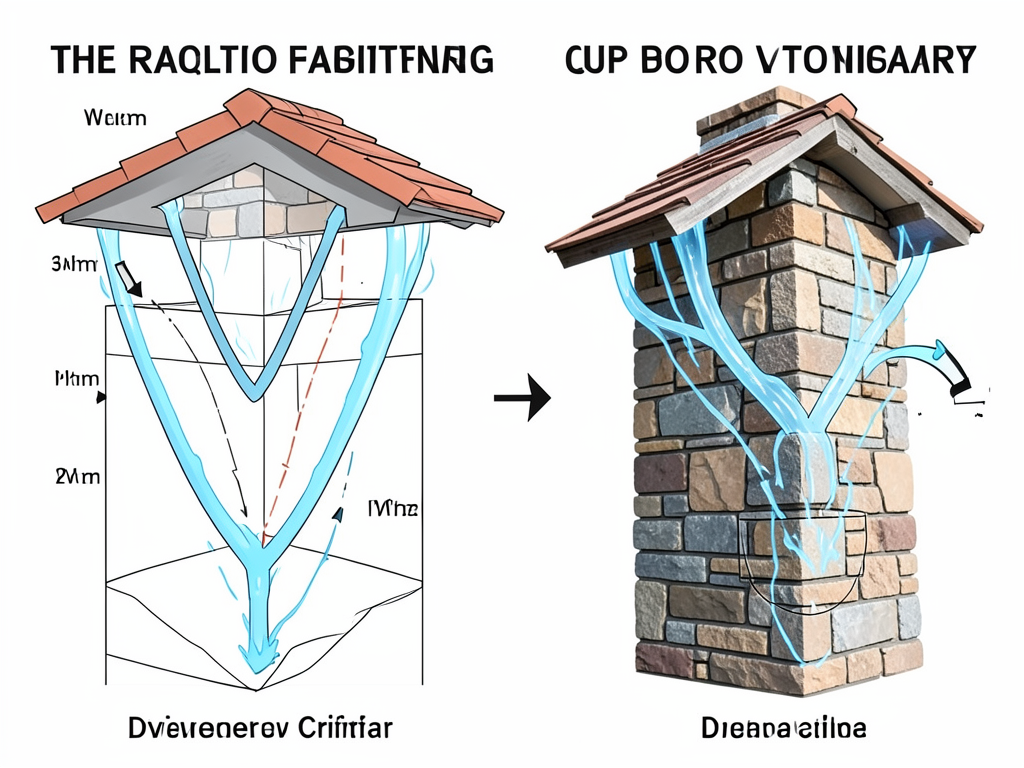
A roof cricket is a small, peaked structure installed on the uphill side of your chimney. It diverts water and debris around both sides instead of letting it crash directly into your chimney’s base. For chimneys wider than 30 inches, building codes require crickets to prevent exactly this kind of water damage. The structure extends from your roof deck up to meet the chimney at an angle, creating a V-shape that channels water away before it can pool.
St. Louis homeowners with brick colonials in neighborhoods like Clayton and Webster Groves often face this issue. The heavy clay soil here causes foundation shifts that can misalign chimneys over time. When your chimney moves even slightly, it breaks the seal with existing flashing. Add Missouri’s 42 inches of annual rainfall and frequent freeze-thaw cycles, and you have a recipe for chronic leaks that no amount of sealant can fix permanently. Why Ladue Homeowners Trust These Specialized Roofing Contractors.
Water pooling around your chimney doesn’t just cause leaks. It leads to wood rot in your roof deck, mold growth in your attic, and eventually structural damage to your chimney itself. The longer you wait, the more expensive the repairs become. A properly installed cricket solves the problem at its source by preventing water from ever reaching those vulnerable areas in the first place. EPA.
Signs Your Chimney Needs a Cricket
Many St. Louis homeowners don’t realize they need a cricket until they’re dealing with a major leak. Here are the warning signs that your large chimney lacks proper water diversion:
- Water stains on ceilings near your chimney
- Missing or damaged chimney flashing
- Ice dams forming on the uphill side of your chimney
- Shingle damage concentrated around the chimney base
- Musty odors in your attic during rainy seasons
If your chimney is wider than 30 inches and sits on a sloped roof, building codes require a cricket. Even smaller chimneys benefit from crickets in areas with heavy rainfall or snow. The structure becomes especially critical for chimneys on the north side of your home where snow lingers longer and ice dams form more readily.
During our inspections, we use a moisture meter to test the roof deck around chimneys. When we find elevated readings, it often indicates chronic water intrusion that a cricket could have prevented. The moisture creates the perfect environment for wood rot, which weakens your roof structure over time.
Another diagnostic sign is the pattern of shingle wear. Water rushing against your chimney erodes the shingles directly below it. You’ll notice missing granules, curled edges, or even bare spots where the asphalt has worn away completely. This concentrated damage is a clear indicator that water isn’t being properly diverted.
How a Roof Cricket Works
A roof cricket functions like a small roof built against your chimney. The structure extends from your main roof up to meet the chimney at an angle, typically matching or exceeding your roof’s pitch. For a 12:12 pitch roof, the cricket might rise 6-8 inches over its length to maintain proper water flow.
The framing consists of pressure-treated lumber that resists rot in moist conditions. We sheath the frame with exterior-grade plywood or OSB, then cover it with ice-and-water shield membrane that extends up the chimney face. This waterproofing layer is crucial in St. Louis where freeze-thaw cycles can force water through even tiny gaps. Reliable Roofing Services for Your Affton Home or Rental Property.
Finally, we install step flashing along the cricket’s edges and counter-flashing that tucks into mortar joints on the chimney. This two-layer flashing system creates redundant protection against water intrusion. The cricket’s peak should extend at least 6 inches beyond the chimney on all sides to ensure complete water diversion.
The slope of your cricket matters significantly. Building codes typically require a minimum 1:4 slope (1 inch of rise for every 4 inches of run). Steeper slopes work better in areas with heavy rainfall. For chimneys on the north side of homes in wooded areas where debris collects, we might specify even steeper crickets to prevent leaf buildup.
Material selection also impacts performance. While asphalt shingles work fine for most applications, metal crickets offer superior durability and water-shedding capability. In historic neighborhoods like Lafayette Square, we often match the cricket material to existing roofing for aesthetic continuity.
Roof Cricket vs. Chimney Flashing: What’s the Difference?
Many homeowners confuse crickets with flashing, but they serve different purposes. Chimney flashing is a waterproofing membrane installed where the chimney meets the roof. It prevents water from seeping into the gap between dissimilar materials. A cricket, on the other hand, is a structural element that diverts water before it ever reaches that vulnerable intersection.
Think of it this way: flashing is like caulking around a bathtub, while a cricket is like the slope of the floor that directs water toward the drain. You need both for complete protection, but the cricket addresses the root cause of water accumulation.
Flashing alone cannot handle the volume of water that pools against large chimneys. During heavy storms, that water pressure can force its way through even the best-installed flashing. A cricket eliminates the pooling problem entirely by redirecting the water flow.
In St. Louis’s climate, the combination is essential. Our heavy spring rains and winter snow create conditions where water volume exceeds what flashing alone can handle. The cricket reduces the load on your flashing system, extending its lifespan and preventing the chronic leaks that plague many area homes.
Another key difference is code compliance. While flashing is always required at roof penetrations, crickets are only mandated for chimneys above certain sizes or in specific conditions. However, even when not required by code, crickets often make economic sense for preventing expensive water damage repairs. Who to Call for 24 Hour Roof Repairs Anywhere in St. Louis.
Our Professional Installation Process
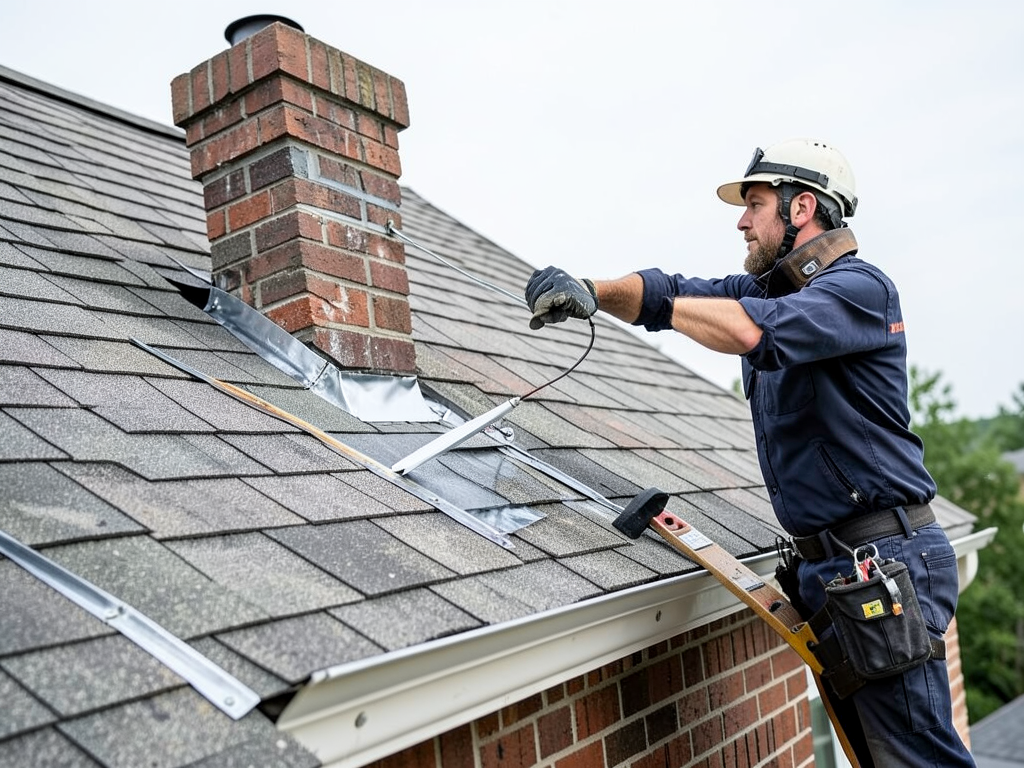
Installing a roof cricket requires precision carpentry and waterproofing expertise. Our process begins with a thorough inspection of your existing roof structure and chimney condition. We check for signs of water damage, assess the chimney’s alignment, and evaluate your current flashing system.
Next, we remove the existing shingles and underlayment around the chimney area. This allows us to inspect the roof deck for rot or damage. Any compromised wood gets replaced with pressure-treated lumber that resists moisture damage. We then frame the cricket using lumber sized to support local snow loads.
The cricket gets sheathed with exterior-grade plywood, then covered with ice-and-water shield membrane. This rubberized asphalt membrane provides a watertight barrier that seals around nails and fasteners. We extend the membrane up the chimney face at least 12 inches to ensure complete coverage.
Step flashing gets installed along the cricket’s edges, with each piece overlapping the previous one to direct water downward. Counter-flashing is then inserted into mortar joints on the chimney and folded down over the step flashing. This creates a two-layer system that prevents water from reaching the roof deck.
Finally, we install new shingles that match your existing roof. The cricket gets shingled to blend seamlessly with the surrounding area. We pay careful attention to the transition points where the cricket meets the main roof to ensure no gaps exist where water could penetrate.
Throughout the process, we use moisture meters to verify that no water is penetrating the new assembly. We also check the cricket’s slope with a level to ensure proper drainage. The entire installation typically takes one to two days, depending on weather conditions and roof complexity.
Cost Factors for St. Louis Homeowners
Several factors influence the cost of roof cricket installation in the St. Louis area. Chimney size is the primary determinant – larger chimneys require bigger crickets with more materials and labor. A cricket for a 40-inch wide chimney costs more than one for a 30-inch chimney due to increased framing and waterproofing requirements.
Roof pitch also affects pricing. Steep roofs require additional safety equipment and take longer to work on. A 12:12 pitch roof might cost 30% more to install a cricket on compared to a 4:12 pitch roof. The increased difficulty and time required justify the higher price.
Material selection impacts both cost and longevity. Standard asphalt shingle crickets cost less upfront but may need replacement when you re-roof. Metal crickets cost more initially but can last the lifetime of your roof. In historic districts like Soulard, material matching requirements might also affect pricing.
Existing damage drives costs higher when present. If we discover rotted roof decking or damaged flashing during removal, those components need replacement. Water damage often extends beyond what’s visible from the ground, so unexpected repairs are common in older St. Louis homes.
Accessibility matters too. Chimneys on complex rooflines or those surrounded by landscaping features take longer to access and work around. Second-story chimneys typically cost more than first-story installations due to increased setup time and safety requirements.
Most St. Louis homeowners invest between $1,500 and $3,500 for professional cricket installation, though complex projects can exceed $5,000. While this might seem expensive, it pales compared to the cost of repairing water damage, replacing rotted decking, or dealing with mold remediation caused by chronic leaks.
Why St. Louis Weather Makes Crickets Essential
Missouri’s climate creates unique challenges for chimney water management. Our region experiences 42 inches of rainfall annually, concentrated in heavy spring storms and summer thunderstorms. These intense precipitation events overwhelm standard flashing systems, making water diversion structures like crickets critical.
Winter presents another challenge. When snow accumulates around chimneys, it creates ideal conditions for ice dam formation. As heat from your home melts snow on the roof, water runs down and refreezes at the colder chimney base. This ice buildup forces water under shingles and through flashing joints.
Freeze-thaw cycles compound the problem. Water that seeps into tiny gaps expands when it freezes, widening those gaps over time. This process, called ice wedging, can split flashing, crack chimney mortar, and separate roofing materials. A cricket prevents water from ever reaching those vulnerable areas.
Spring thunderstorms bring wind-driven rain that hits chimneys at an angle. This horizontal rain pressure can force water through standard flashing, especially on chimneys with deteriorated mortar joints. The cricket’s peaked shape deflects this angled water away from the chimney base.
Fall leaves create additional issues around chimneys. Without a cricket to direct water flow, leaves collect in the valley behind chimneys. These wet leaves hold moisture against your roof, accelerating deterioration of shingles and flashing. The cricket’s slope helps shed debris, keeping the area clear.
St. Louis’s location in the Midwest also means we experience rapid temperature swings. A 40-degree day followed by a 20-degree night creates extreme stress on roofing materials. The cricket helps by minimizing the amount of water that can freeze and expand in vulnerable areas.
Common Mistakes in DIY Cricket Installation
Many homeowners attempt DIY cricket installation to save money, but this often leads to bigger problems. The most common mistake is inadequate slope. A cricket that’s too flat won’t effectively divert water, essentially creating a shallow pool behind your chimney instead of solving the problem.
Another frequent error is improper flashing integration. DIYers often install step flashing but skip the counter-flashing that tucks into mortar joints. This creates a one-layer system vulnerable to water intrusion. Professional installation always includes both layers for redundant protection.
Material selection mistakes also cause failures. Using interior-grade plywood for sheathing invites rapid rot when exposed to moisture. Some DIYers skip the ice-and-water shield membrane, relying only on shingles for waterproofing. This approach fails quickly in St. Louis’s freeze-thaw climate.
Size miscalculations plague amateur installations. Building codes specify crickets for chimneys over 30 inches wide, but some DIYers install undersized crickets that can’t handle the water volume. Others make the cricket too small, leaving areas where water still pools against the chimney.
Ventilation oversights create additional problems. The cricket installation process can block existing attic vents or create new dead air spaces. Without proper airflow, moisture accumulates in your attic, leading to mold growth and reduced insulation effectiveness.
Finally, DIY installations often violate local building codes. St. Louis County requires permits for structural modifications like cricket installation. Work done without permits can cause issues when selling your home and may void roofing material warranties. Professional contractors handle permitting and ensure code compliance.
Frequently Asked Questions
How do I know if my chimney needs a cricket?
If your chimney is wider than 30 inches and sits on a sloped roof, building codes require a cricket. Even smaller chimneys benefit from crickets in areas with heavy rainfall or snow. Signs you need one include water stains near your chimney, missing flashing, or ice dams forming on the uphill side.
Can I install a cricket on my existing roof?
Yes, crickets can be retrofitted to existing roofs. The process involves removing shingles around the chimney, inspecting and repairing any damaged decking, then building and waterproofing the cricket before re-shingling. While more complex than installing during initial construction, professional retrofit installation solves chronic leak problems effectively.
How long does a roof cricket last?
A properly installed cricket with quality materials should last as long as your roof, typically 20-30 years for asphalt shingles. Metal crickets can last even longer. The cricket’s lifespan depends on material quality, installation workmanship, and local weather conditions. Annual inspections help identify any developing issues early. High Quality Roof Replacements for Creve Coeur Properties.
Will a cricket change the appearance of my roof?
When professionally installed, a cricket blends seamlessly with your existing roof. We match your current shingle style and color, and the cricket’s slope follows your roof’s pitch. From street level, most people cannot distinguish a cricket from the surrounding roof area. The small visual change prevents much larger eyesores from water damage.
Does homeowners insurance cover cricket installation?
Standard policies typically don’t cover cricket installation since it’s considered preventative maintenance rather than damage repair. However, if your chimney leaks have caused interior damage, insurance might cover repairs to ceilings, walls, or personal property. Some carriers offer discounts for proactive water management improvements, so check with your agent.
Protect Your Home Before the Next Storm
Water damage from a chimney without proper diversion doesn’t get better on its own. Each storm that passes without a cricket increases your risk of expensive repairs. The wood rot spreads, the mold grows, and the structural damage compounds. What starts as a small leak can become a major renovation project.
St. Louis’s volatile weather means the next heavy rain or ice storm is always around the corner. A properly installed roof cricket provides peace of mind by eliminating the water pooling that causes 90% of chimney-related leaks. It’s an investment that pays for itself by preventing much costlier damage.
Don’t wait until you’re dealing with water-stained ceilings or musty attic odors. Our team has installed hundreds of crickets throughout the St. Louis area, from historic homes in Lafayette Square to new construction in Chesterfield. We understand the local building codes, weather patterns, and architectural styles that affect proper installation.
Call (314) 417-7774 today to schedule your chimney inspection. We’ll evaluate your specific situation and provide a detailed proposal for cricket installation if needed. Our work includes a comprehensive warranty on both materials and labor, protecting your investment for years to come.
Pick up the phone and call (314) 417-7774 before the next storm hits. Your chimney – and your wallet – will thank you. For more information, visit FEMA.
You may also find this helpful. How to Tell if Your Wildwood Skylight is Leaking or Just Dealing with Condensation.
{
“@context”: “https://schema.org”,
“@type”: “BlogPosting”,
“headline”: “Why Your Large Masonry Chimney Needs a Roof Cricket to Prevent Water Pooling”,
“description”: “Stop chimney leaks in St. Louis homes. Learn why a roof cricket is essential for large masonry chimneys to prevent water pooling and ice dams.”,
“wordCount”: 2671,
“datePublished”: “2026-06-05T07:02:00.000Z”,
“dateModified”: “2026-06-05T07:02:00.000Z”,
“inLanguage”: “en-US”,
“mainEntityOfPage”: {
“@type”: “WebPage”,
“@id”: “https://pioneerroofingstlouis.com”
},
“publisher”: {
“@type”: “LocalBusiness”,
“name”: “Pioneer Roofing St. Louis”,
“url”: “https://pioneerroofingstlouis.com”
},
“author”: {
“@type”: “Organization”,
“name”: “Pioneer Roofing St. Louis”,
“url”: “https://pioneerroofingstlouis.com”
},
“image”: {
“@type”: “ImageObject”,
“url”: “https://pioneerroofingstlouis.com/wp-content/uploads/2026/03/why-your-large-masonry-chimney-needs-a-roof-cricke-1.png”
}
}
{
“@context”: “https://schema.org”,
“@type”: “RoofingContractor”,
“name”: “Pioneer Roofing St. Louis”,
“url”: “https://pioneerroofingstlouis.com”,
“address”: {
“@type”: “PostalAddress”,
“addressLocality”: “St. Louis”
},
“areaServed”: {
“@type”: “City”,
“name”: “St. Louis”
}
}
{
“@context”: “https://schema.org”,
“@type”: “FAQPage”,
“mainEntity”: [
{
“@type”: “Question”,
“name”: “Roof Cricket vs. Chimney Flashing: What’s the Difference?”,
“acceptedAnswer”: {
“@type”: “Answer”,
“text”: “Many homeowners confuse crickets with flashing, but they serve different purposes. Chimney flashing is a waterproofing membrane installed where the chimney meets the roof. It prevents water from seeping into the gap between dissimilar materials. A cricket, on the other hand, is a structural element that diverts water before it ever reaches that vulnerable intersection.”
}
},
{
“@type”: “Question”,
“name”: “How do I know if my chimney needs a cricket?”,
“acceptedAnswer”: {
“@type”: “Answer”,
“text”: “If your chimney is wider than 30 inches and sits on a sloped roof, building codes require a cricket. Even smaller chimneys benefit from crickets in areas with heavy rainfall or snow. Signs you need one include water stains near your chimney, missing flashing, or ice dams forming on the uphill side.”
}
},
{
“@type”: “Question”,
“name”: “Can I install a cricket on my existing roof?”,
“acceptedAnswer”: {
“@type”: “Answer”,
“text”: “Yes, crickets can be retrofitted to existing roofs. The process involves removing shingles around the chimney, inspecting and repairing any damaged decking, then building and waterproofing the cricket before re-shingling. While more complex than installing during initial construction, professional retrofit installation solves chronic leak problems effectively.”
}
},
{
“@type”: “Question”,
“name”: “How long does a roof cricket last?”,
“acceptedAnswer”: {
“@type”: “Answer”,
“text”: “A properly installed cricket with quality materials should last as long as your roof, typically 20-30 years for asphalt shingles. Metal crickets can last even longer. The cricket’s lifespan depends on material quality, installation workmanship, and local weather conditions. Annual inspections help identify any developing issues early. High Quality Roof Replacements for Creve Coeur Properties.”
}
},
{
“@type”: “Question”,
“name”: “Will a cricket change the appearance of my roof?”,
“acceptedAnswer”: {
“@type”: “Answer”,
“text”: “When professionally installed, a cricket blends seamlessly with your existing roof. We match your current shingle style and color, and the cricket’s slope follows your roof’s pitch. From street level, most people cannot distinguish a cricket from the surrounding roof area. The small visual change prevents much larger eyesores from water damage.”
}
},
{
“@type”: “Question”,
“name”: “Does homeowners insurance cover cricket installation?”,
“acceptedAnswer”: {
“@type”: “Answer”,
“text”: “Standard policies typically don’t cover cricket installation since it’s considered preventative maintenance rather than damage repair. However, if your chimney leaks have caused interior damage, insurance might cover repairs to ceilings, walls, or personal property. Some carriers offer discounts for proactive water management improvements, so check with your agent.”
}
}
]
}
{
“@context”: “https://schema.org”,
“@type”: “BreadcrumbList”,
“itemListElement”: [
{
“@type”: “ListItem”,
“position”: 1,
“name”: “Home”,
“item”: “https://pioneerroofingstlouis.com”
},
{
“@type”: “ListItem”,
“position”: 2,
“name”: “Blog”,
“item”: “https://pioneerroofingstlouis.com/blog”
},
{
“@type”: “ListItem”,
“position”: 3,
“name”: “Why Your Large Masonry Chimney Needs a Roof Cricket to Prevent Water Pooling”
}
]
}
{
“@context”: “https://schema.org”,
“@type”: “Service”,
“serviceType”: “Roofing”,
“provider”: {
“@type”: “LocalBusiness”,
“name”: “Pioneer Roofing St. Louis”,
“url”: “https://pioneerroofingstlouis.com”
},
“areaServed”: {
“@type”: “City”,
“name”: “St. Louis”
},
“description”: “Stop chimney leaks in St. Louis homes. Learn why a roof cricket is essential for large masonry chimneys to prevent water pooling and ice dams.”
}