
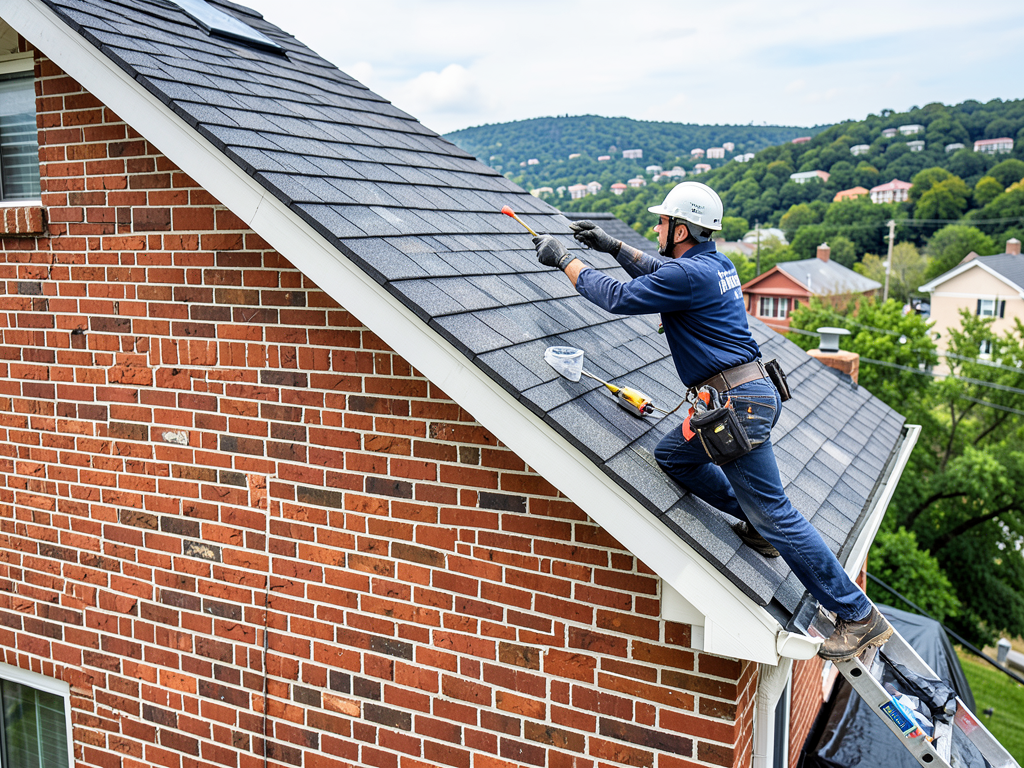
Popular Shingle Colors That Complement the Red Brick Architecture of St. Louis Hills
Choosing the right roof color for your red brick home in St. Louis Hills can dramatically enhance your property’s curb appeal and architectural harmony. The historic red brick that defines our neighborhood creates a warm foundation that pairs beautifully with specific shingle colors designed to complement rather than compete with this classic material. Whether you’re planning a full replacement or just exploring options, understanding how different shingle colors interact with red brick undertones is essential for making a decision that increases both aesthetic value and long-term durability.. Read more about Finding the Right Shingles to Match the Timber Framing of Your Hampton Village Tudor.
St. Louis Hills homeowners face unique considerations when selecting roofing materials. Our region’s high humidity, severe seasonal temperature swings, and occasional severe storms require materials that not only look great but also perform exceptionally well. The right color combination can make your home stand out while maintaining the architectural integrity that makes St. Louis Hills such a desirable place to live. Reliable Roofing Services for Your Affton Home or Rental Property.
Understanding Your Brick’s Undertone
Before selecting a roof color, you need to identify your brick’s specific undertone. Not all red bricks are created equal. St. Louis brick varies significantly depending on the manufacturing era and clay source. Historic Laclede brick from the early 1900s often has deeper, more muted red tones with subtle orange undertones, while newer bricks might display brighter, more vibrant reds.
The key diagnostic test involves examining your brick in natural daylight. Hold a white sheet of paper next to the brick and observe the color shift. Does your brick lean toward orange, purple, or brown undertones? This simple observation determines whether you need warm or cool roof colors. Warm-toned bricks (orange-leaning) pair best with warm roof colors like browns and tans, while cool-toned bricks (purple-leaning) work better with grays and blacks.
Another critical factor is the mortar color. Traditional St. Louis Hills homes often feature cream or light gray mortar that creates contrast with the red brick. This contrast affects how dramatic your roof color should be. Homes with high-contrast mortar can handle bolder roof colors, while those with matching mortar benefit from more subtle transitions.
Top 5 Roof Color Combinations for Red Brick Houses
Based on decades of experience in St. Louis Hills, these five color combinations consistently deliver the best results for red brick homes. Each option considers both aesthetic appeal and practical performance in our climate.
Charcoal Gray and Black
High-contrast combinations create a striking modern look that works exceptionally well with traditional red brick. Charcoal gray shingles with subtle black flecks provide depth and sophistication while maintaining a classic appearance. This combination particularly suits homes with darker mortar or those seeking a contemporary update to their traditional architecture.
The technical advantage of darker colors in St. Louis Hills is their superior heat absorption during winter months, which can reduce heating costs. However, these colors also absorb more heat in summer, so proper attic ventilation becomes crucial. Modern architectural shingles like GAF Timberline HDZ in charcoal offer enhanced UV protection and algae resistance specifically designed for our humid climate. GAF roofing materials.
Weathered Wood and Brown
Natural, earthy tones create a timeless appearance that blends seamlessly with red brick’s organic qualities. Weathered wood shingles featuring a mix of brown, gray, and tan granules mimic the look of natural cedar without the maintenance concerns. This color family works particularly well with orange-leaning red bricks common in mid-century St. Louis Hills homes.
The dimensional quality of architectural shingles in these colors creates visual interest that changes throughout the day as sunlight hits different angles. CertainTeed Landmark Weathered Wood shingles provide excellent durability while offering the warm, inviting appearance that complements traditional brick architecture. The varied color palette also helps hide minor imperfections and dirt accumulation common in our humid environment. CertainTeed roofing products.
Deep Brown and Espresso
Rich, dark browns create a sophisticated monochromatic look that emphasizes architectural details while maintaining warmth. Espresso and deep brown shingles work exceptionally well with traditional red bricks that have brown undertones. This combination creates a cohesive appearance that feels both classic and contemporary.
The technical benefit of dark brown shingles includes superior heat retention during cold Missouri winters and excellent dirt-hiding properties. Owens Corning Duration shingles in Estate Gray or Brownwood provide enhanced wind resistance up to 130 mph, crucial for our region’s severe weather patterns. The dimensional texture also helps mask minor installation variations that can occur over time.
Slate Green and Forest
Historic homes in St. Louis Hills often featured slate roofs in various green tones. Modern asphalt shingles can replicate this classic look while providing superior durability and lower cost. Slate green colors ranging from soft sage to deep forest green create a distinctive appearance that works beautifully with traditional red brick.
This color combination particularly suits homes with Victorian or Tudor influences common in older St. Louis Hills neighborhoods. The green tones create a natural connection to the mature trees and landscaping typical of our area. These colors also reflect more heat than darker options, potentially reducing cooling costs during humid St. Louis summers.
Cool Gray and Silver
Soft gray tones provide a contemporary update to traditional red brick while maintaining architectural harmony. Cool grays with silver flecks create a sophisticated, clean appearance that works especially well with bright red bricks that have purple undertones. This combination creates a modern farmhouse aesthetic that’s increasingly popular in St. Louis Hills.
The technical advantages of lighter colors include better heat reflection during summer months and reduced thermal expansion and contraction. This translates to longer shingle life and fewer maintenance issues. Modern cool-gray shingles often incorporate reflective granules that can reduce attic temperatures by up to 20 degrees compared to traditional dark shingles.
Material Considerations for the St. Louis Climate
Selecting the right material is just as important as choosing the perfect color. St. Louis Hills experiences extreme weather conditions that can significantly impact roofing performance and longevity. Understanding how different materials respond to our climate helps you make an informed decision. Roofing Kirkwood.
Asphalt architectural shingles remain the most popular choice for St. Louis Hills homes due to their excellent balance of cost, durability, and aesthetic options. Modern architectural shingles feature multiple layers of material that create dimensional appearance while providing superior wind resistance compared to traditional three-tab shingles. The granule composition in these shingles affects both color appearance and performance characteristics.
Metal roofing is gaining popularity in our area, particularly for homes seeking maximum durability and energy efficiency. Standing seam metal roofs in colors like charcoal or bronze can provide 50+ years of service while offering superior wind resistance and fire protection. The color options for metal roofing are more limited than asphalt, but the longevity and performance benefits often justify the higher initial investment.
The diagnostic test for material selection involves considering your specific home’s orientation, tree coverage, and exposure to prevailing winds. South-facing roofs in St. Louis Hills receive intense afternoon sun that can fade certain colors more quickly. Homes under mature oak trees may benefit from darker colors that hide leaf stains and debris accumulation.
St. Louis Neighborhood Style Guide
Different architectural styles within St. Louis Hills call for specific color approaches. Understanding these nuances helps you select a combination that enhances your home’s unique character while respecting neighborhood aesthetics.
Traditional Colonial and Georgian homes in the northern section of St. Louis Hills often feature symmetrical facades with prominent front entrances. These homes typically benefit from classic color combinations like charcoal gray or deep brown that emphasize architectural symmetry. The formal nature of these designs calls for sophisticated, understated color choices.
Craftsman and bungalow-style homes scattered throughout St. Louis Hills feature wide eaves, exposed rafters, and natural materials. These homes often look best with earthy tones like weathered wood or forest green that complement the organic architectural elements. The dimensional quality of architectural shingles enhances the horizontal lines characteristic of these designs. High Quality Roof Replacements for Creve Coeur Properties.
Mid-century modern homes in the southern sections of St. Louis Hills feature clean lines and large windows. These homes can handle bolder color choices like slate green or cool gray that create contrast with the red brick while maintaining a contemporary feel. The minimalist architecture allows for more dramatic color statements without overwhelming the design.
Ranch-style homes common in newer St. Louis Hills developments benefit from color combinations that emphasize horizontal lines. Weathered wood or brown tones create warmth and approachability while the dimensional texture adds visual interest to the typically simple rooflines. These homes often look best with colors that blend with the surrounding landscape.
Installation and Maintenance Considerations
Proper installation significantly impacts how your chosen color combination performs over time. The diagnostic process for evaluating installation quality includes checking for consistent color distribution, proper nailing patterns, and adequate ventilation. Color inconsistencies often indicate installation issues that can lead to premature failure.
St. Louis Hills’ humid climate creates specific maintenance challenges that affect color longevity. Algae growth, particularly on north-facing roofs, can create dark streaks that alter the intended color appearance. Modern shingles often incorporate copper or zinc granules that inhibit algae growth, preserving your color choice for years longer than traditional materials.
The moisture meter test is crucial for determining when replacement is necessary. Even if your color still looks good, underlying moisture damage can compromise the entire roofing system. Homes in St. Louis Hills with mature tree coverage may need more frequent inspections due to accumulated debris that retains moisture against the roof surface. Hail Damage Assessment.
Professional installation in St. Louis Hills requires understanding local building codes and weather patterns. The St. Louis County building code mandates specific underlayment requirements for our climate, including ice and water shield installation in valleys and along eaves. These code requirements affect both the performance and appearance of your chosen color combination.
Cost Factors and Investment Considerations
The cost of your color choice extends beyond the initial material price. Premium color options often come with enhanced warranties and better performance characteristics that can justify higher upfront costs. Understanding these factors helps you make a decision that balances immediate budget constraints with long-term value.
Premium architectural shingles with enhanced color options typically cost 15-20% more than standard colors but often include extended warranties and better UV protection. The dimensional quality of these shingles also provides better wind resistance, potentially reducing insurance costs in storm-prone areas like St. Louis Hills. Fixing Wind and Storm Damage Before It Ruins Your St. Louis Home.
Metal roofing in custom colors represents a significant investment but offers unmatched longevity. While initial costs may be 2-3 times higher than asphalt, the 50+ year lifespan and minimal maintenance requirements often provide superior long-term value. The color options for metal are more limited but include premium finishes that resist fading and chalking.
Energy efficiency considerations affect both immediate and long-term costs. Lighter colors reflect more heat, potentially reducing cooling costs during humid St. Louis summers. Some premium shingles incorporate reflective technology that can reduce attic temperatures by up to 20%, translating to measurable energy savings over time.
Making Your Final Decision
The diagnostic process for final color selection involves creating physical samples and viewing them in different lighting conditions. Most reputable St. Louis Hills roofing contractors provide sample boards that you can place against your brick in morning, afternoon, and evening light. This simple test often reveals color interactions you might not notice in a showroom.
Consider your home’s surroundings when making your final decision. Homes surrounded by mature trees may benefit from colors that blend with the natural environment, while those on corner lots might warrant bolder choices that create visual interest from multiple angles. The mature landscaping typical of St. Louis Hills creates unique viewing angles that affect color perception.
Your neighborhood’s architectural character should influence but not dictate your decision. While respecting the traditional character of St. Louis Hills is important, your home should still reflect your personal style. The key is finding a balance between fitting in and standing out in a way that enhances the overall neighborhood aesthetic.
Professional consultation can provide valuable insights based on experience with similar homes in your area. A qualified St. Louis Hills roofing contractor can identify potential issues with your specific brick type, recommend colors that have performed well in similar conditions, and provide accurate cost estimates for your chosen combination.
Don’t forget to consider resale value when making your final decision. While personal preference is important, certain color combinations have broader appeal and can increase your home’s marketability. Neutral, classic combinations typically offer the best return on investment while still allowing for personal expression through accent colors and architectural details.
Call (314) 417-7774 today to schedule your free color consultation and estimate. Our experienced team understands the unique character of St. Louis Hills homes and can help you select the perfect color combination that enhances your home’s beauty while providing superior protection against our challenging climate.
Frequently Asked Questions
What is the most popular roof color for red brick homes in St. Louis Hills?
Charcoal gray and weathered wood remain the most popular choices, with charcoal gray slightly edging out for newer homes and weathered wood maintaining strong popularity for traditional and craftsman-style homes. These colors provide excellent contrast while complementing the warm tones of red brick.
How long do colored shingles typically last in St. Louis weather?
Quality architectural shingles in St. Louis Hills typically last 20-25 years, though premium options with enhanced UV protection can extend this to 30+ years. Darker colors may show fading more quickly, while lighter colors generally maintain their appearance longer but may show algae growth more readily.
Can I install a new roof over my existing shingles?
Building codes in St. Louis County typically allow one layer of shingles over existing roofing, but this isn’t always the best option. A complete tear-off allows inspection of the underlying deck and ensures proper installation of new underlayment, which is crucial for our climate’s freeze-thaw cycles.
How do I know if my brick has warm or cool undertones?
Examine your brick in natural daylight and compare it to pure red samples. If your brick appears more orange or brown, it has warm undertones. If it appears more purple or pink, it has cool undertones. You can also hold a white paper next to the brick to see which colors become more prominent.
What’s the best way to test roof colors before making a final decision?
Request physical sample boards from your roofing contractor and view them against your brick at different times of day. Many contractors can also provide digital renderings of your home with different color options. Some companies offer small test patches on your actual roof for the most accurate representation.
Call (314) 417-7774 before the next storm hits to protect your investment. Our team provides expert color consultations and professional installation that enhances your home’s beauty while ensuring maximum durability in St. Louis Hills’ challenging climate.
Ready to transform your home’s appearance? Call (314) 417-7774 today to schedule your free estimate and discover how the perfect roof color can enhance your St. Louis Hills home’s curb appeal and value.
You may also find this helpful. Dealing with HOA Restrictions When Upgrading Your Roof in St. Peters or O’Fallon.
You may also find this helpful. CertainTeed Landmark vs GAF Timberline (Which Shingle Wins in the St. Louis Climate?).
{
“@context”: “https://schema.org”,
“@type”: “BlogPosting”,
“headline”: “Popular Shingle Colors That Complement the Red Brick Architecture of St. Louis Hills”,
“description”: “Discover the perfect roof colors for St. Louis Hills’ iconic red brick homes. Expert guide to asphalt shingle and metal roofing combinations that enhance curb appeal.”,
“wordCount”: 2535,
“datePublished”: “2026-05-31T09:19:00.000Z”,
“dateModified”: “2026-05-31T09:19:00.000Z”,
“inLanguage”: “en-US”,
“mainEntityOfPage”: {
“@type”: “WebPage”,
“@id”: “https://pioneerroofingstlouis.com”
},
“publisher”: {
“@type”: “LocalBusiness”,
“name”: “Pioneer Roofing St. Louis”,
“url”: “https://pioneerroofingstlouis.com”
},
“author”: {
“@type”: “Organization”,
“name”: “Pioneer Roofing St. Louis”,
“url”: “https://pioneerroofingstlouis.com”
},
“image”: {
“@type”: “ImageObject”,
“url”: “https://pioneerroofingstlouis.com/wp-content/uploads/2026/03/popular-shingle-colors-that-complement-the-red-bri-1.png”
}
}
{
“@context”: “https://schema.org”,
“@type”: “RoofingContractor”,
“name”: “Pioneer Roofing St. Louis”,
“url”: “https://pioneerroofingstlouis.com”,
“address”: {
“@type”: “PostalAddress”,
“addressLocality”: “St. Louis”
},
“areaServed”: {
“@type”: “City”,
“name”: “St. Louis”
}
}
{
“@context”: “https://schema.org”,
“@type”: “FAQPage”,
“mainEntity”: [
{
“@type”: “Question”,
“name”: “What is the most popular roof color for red brick homes in St. Louis Hills?”,
“acceptedAnswer”: {
“@type”: “Answer”,
“text”: “Charcoal gray and weathered wood remain the most popular choices, with charcoal gray slightly edging out for newer homes and weathered wood maintaining strong popularity for traditional and craftsman-style homes. These colors provide excellent contrast while complementing the warm tones of red brick.”
}
},
{
“@type”: “Question”,
“name”: “How long do colored shingles typically last in St. Louis weather?”,
“acceptedAnswer”: {
“@type”: “Answer”,
“text”: “Quality architectural shingles in St. Louis Hills typically last 20-25 years, though premium options with enhanced UV protection can extend this to 30+ years. Darker colors may show fading more quickly, while lighter colors generally maintain their appearance longer but may show algae growth more readily.”
}
},
{
“@type”: “Question”,
“name”: “Can I install a new roof over my existing shingles?”,
“acceptedAnswer”: {
“@type”: “Answer”,
“text”: “Building codes in St. Louis County typically allow one layer of shingles over existing roofing, but this isn’t always the best option. A complete tear-off allows inspection of the underlying deck and ensures proper installation of new underlayment, which is crucial for our climate’s freeze-thaw cycles.”
}
},
{
“@type”: “Question”,
“name”: “How do I know if my brick has warm or cool undertones?”,
“acceptedAnswer”: {
“@type”: “Answer”,
“text”: “Examine your brick in natural daylight and compare it to pure red samples. If your brick appears more orange or brown, it has warm undertones. If it appears more purple or pink, it has cool undertones. You can also hold a white paper next to the brick to see which colors become more prominent.”
}
},
{
“@type”: “Question”,
“name”: “What’s the best way to test roof colors before making a final decision?”,
“acceptedAnswer”: {
“@type”: “Answer”,
“text”: “Request physical sample boards from your roofing contractor and view them against your brick at different times of day. Many contractors can also provide digital renderings of your home with different color options. Some companies offer small test patches on your actual roof for the most accurate representation.”
}
}
]
}
{
“@context”: “https://schema.org”,
“@type”: “BreadcrumbList”,
“itemListElement”: [
{
“@type”: “ListItem”,
“position”: 1,
“name”: “Home”,
“item”: “https://pioneerroofingstlouis.com”
},
{
“@type”: “ListItem”,
“position”: 2,
“name”: “Blog”,
“item”: “https://pioneerroofingstlouis.com/blog”
},
{
“@type”: “ListItem”,
“position”: 3,
“name”: “Popular Shingle Colors That Complement the Red Brick Architecture of St. Louis Hills”
}
]
}
{
“@context”: “https://schema.org”,
“@type”: “Service”,
“serviceType”: “Roofing”,
“provider”: {
“@type”: “LocalBusiness”,
“name”: “Pioneer Roofing St. Louis”,
“url”: “https://pioneerroofingstlouis.com”
},
“areaServed”: {
“@type”: “City”,
“name”: “St. Louis”
},
“description”: “Discover the perfect roof colors for St. Louis Hills’ iconic red brick homes. Expert guide to asphalt shingle and metal roofing combinations that enhance curb appeal.”
}