
Preservation-Friendly Roofing Options for the Historic Mansions of Compton Heights
Compton Heights represents one of St. Louis’s most treasured historic neighborhoods with its grand Victorian and early 20th-century mansions. The distinctive red clay roofs, copper flashing, and slate accents that define these architectural treasures require specialized preservation approaches. This guide walks you through approved materials, permit requirements, and restoration techniques that maintain both historical integrity and modern performance for your Compton Heights home. St. Louis Cultural Resources Office.
Understanding St. Louis Historic District Requirements
The St. Louis Cultural Resources Office oversees all exterior modifications in historic districts like Compton Heights. Their mandate ensures new roofing materials match original profiles, colors, and installation methods. The Preservation Board reviews applications monthly, and unapproved work can result in mandatory removal and fines up to $500 per day. Reliable Roofing Services for Your Affton Home or Rental Property.
Compton Heights specifically falls under the Missouri Historic Preservation Act and National Register of Historic Places guidelines. The Secretary of the Interior’s Standards for Rehabilitation govern all exterior work, requiring replacement materials to be physically or visually compatible with historic features. Secretary of the Interior’s Standards for Rehabilitation.
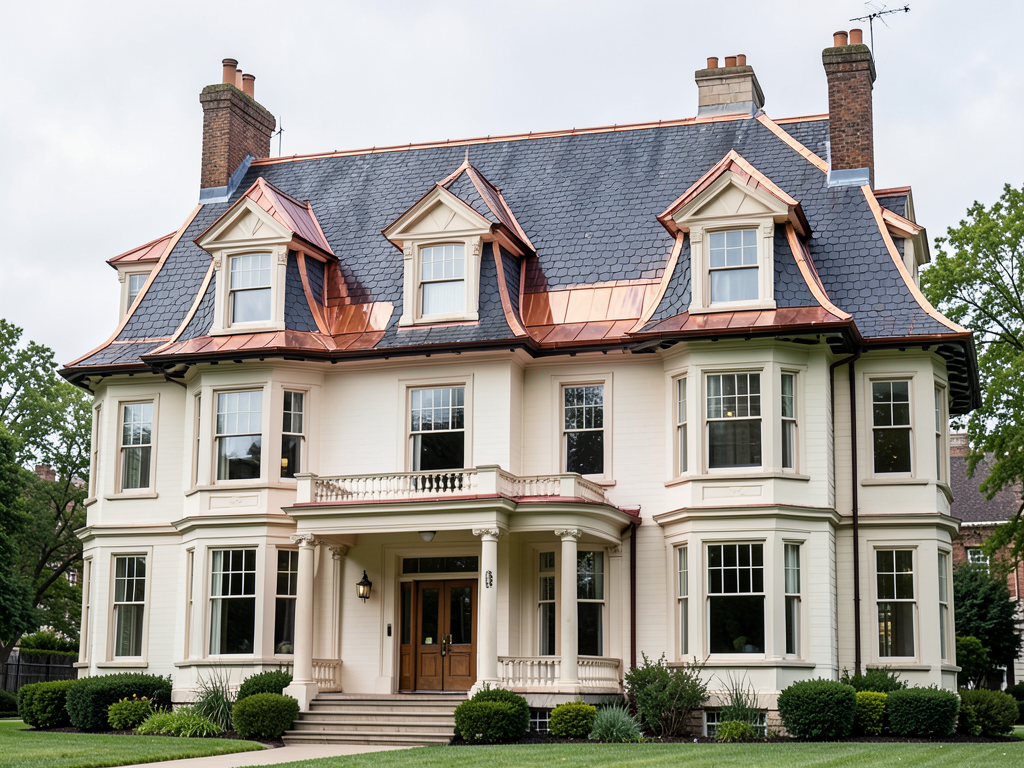
Diagram showing approved roofing materials for Compton Heights historic homes including slate, clay tile, and architectural asphalt with period-appropriate color palettes
Approved Roofing Materials for Compton Heights
Natural slate remains the gold standard for Compton Heights mansions. Vermont slate in gray, black, or purple tones provides 75-100 year lifespans. Each 1/4-inch thick tile weighs 700-800 pounds per square, requiring reinforced decking and specialized installation crews.
Clay tile offers Mediterranean and Spanish Colonial homes in Compton Heights authentic character. Mission barrel tiles and flat clay shingles come in earth tones that weather naturally. Modern clay tiles include interlocking designs that improve wind resistance while maintaining historical appearance.. Read more about Popular Shingle Colors That Complement the Red Brick Architecture of St. Louis Hills.
For budget-conscious preservation, architectural asphalt shingles now meet historic requirements. Products like CertainTeed’s Carriage House series or GAF’s Slateline mimic slate textures with Class 4 impact resistance. These 30-50 year materials install over existing roofs when structural conditions permit.. Read more about Finding the Right Shingles to Match the Timber Framing of Your Hampton Village Tudor.
Copper roofing and flashing provide both function and beauty. Over 20-30 years, copper develops a green patina that complements historic brick and stone. Valley flashing, dormer details, and gutter systems in copper can last 50+ years with minimal maintenance.
The Certificate of Appropriateness Process
Obtaining a Certificate of Appropriateness requires submitting detailed plans to the Preservation Board. The process typically takes 30-60 days and involves:
- Site photographs showing existing conditions
- Material samples or manufacturer specifications
- Roof plan drawings with pitch and dimension details
- Color chips for final approval
- Contractor credentials and insurance documentation
Board meetings occur monthly at City Hall. Applications must be submitted 15 days before meetings. The Board evaluates compatibility with neighboring properties, historical accuracy, and long-term durability.
Once approved, you’ll receive a stamped COA allowing work to proceed. No roofing work can begin without this document, even for emergency repairs. Keep copies on-site for inspector review. Who to Call for 24 Hour Roof Repairs Anywhere in St. Louis.
Common Preservation Pitfalls to Avoid
Modern dimensional shingles in bold colors violate Compton Heights guidelines. Dark browns, blacks, and grays work for slate replacements, but avoid reds, blues, or greens unless historically documented for your specific home. High Quality Roof Replacements for Creve Coeur Properties.
Metal roofing requires special consideration. Standing seam panels work for certain commercial buildings but not residential Victorians. If metal is appropriate, use 24-gauge steel with Kynar 500 finish in matte black or dark bronze.
Roof deck preparation proves critical for historic homes. Many Compton Heights mansions have 1×6 or 1×8 tongue-and-groove decking. Modern 1/2-inch plywood installation over original decking destroys historic fabric and may require costly restoration.
Flashing details matter tremendously. Victorian homes feature elaborate dormers, turrets, and complex intersections. Custom copper flashing fabricated on-site ensures water-tight seals while maintaining architectural character.
Cost Considerations for Historic Roofing
Preservation roofing costs 30-50% more than standard installations due to specialized materials and labor. Natural slate installation runs $1,500-2,500 per square compared to $400-600 for architectural shingles. Copper work adds $15-25 per linear foot for flashing and gutters.
However, historic tax credits can offset costs. Missouri offers 25% state tax credits for certified rehabilitation work meeting federal standards. Federal credits provide an additional 20% for income-producing properties. These programs can reduce net costs by 30-45%.
Insurance considerations also factor in. Some carriers offer premium discounts for impact-resistant Class 4 materials in hail-prone areas. The investment in quality materials often pays returns through reduced maintenance and energy efficiency.
Maintenance Strategies for Historic Roofs
Annual inspections catch problems before they escalate. Look for cracked or missing slate, loose clay tiles, and failing flashing. Moss and algae growth on north-facing slopes indicates moisture retention that can damage historic materials. Hail Damage Assessment.
Cleaning requires gentle methods. Avoid pressure washing which can dislodge aged materials. Use low-pressure water and specialized roof cleaning solutions. For copper, a mild acid wash removes oxidation when the green patina becomes excessive.
Gutter maintenance proves critical for historic homes. Original half-round copper gutters require biannual cleaning to prevent overflow that damages fascia and soffits. Check downspout connections and ensure proper drainage away from foundations.
Emergency repairs demand immediate attention. Missing slate or cracked tiles allow water infiltration that damages historic plaster and woodwork. Keep spare matching materials on-site for quick repairs between professional service visits.
Finding Qualified Preservation Contractors
Not all roofing contractors understand historic preservation requirements. Look for firms with specific experience in Compton Heights and similar historic districts. Ask for portfolios showing completed preservation projects and references from neighborhood associations.
Certifications matter. The National Roofing Contractors Association offers historic preservation training. Look for contractors familiar with the Secretary of the Interior’s Standards and local Preservation Board procedures.
Insurance requirements differ for historic work. Contractors need higher liability coverage and workers’ compensation for specialized equipment and techniques. Verify current licenses and insurance before signing contracts.
Communication proves essential throughout projects. Regular updates, photo documentation, and clear timelines help manage expectations. The best contractors treat your historic home with the respect it deserves.
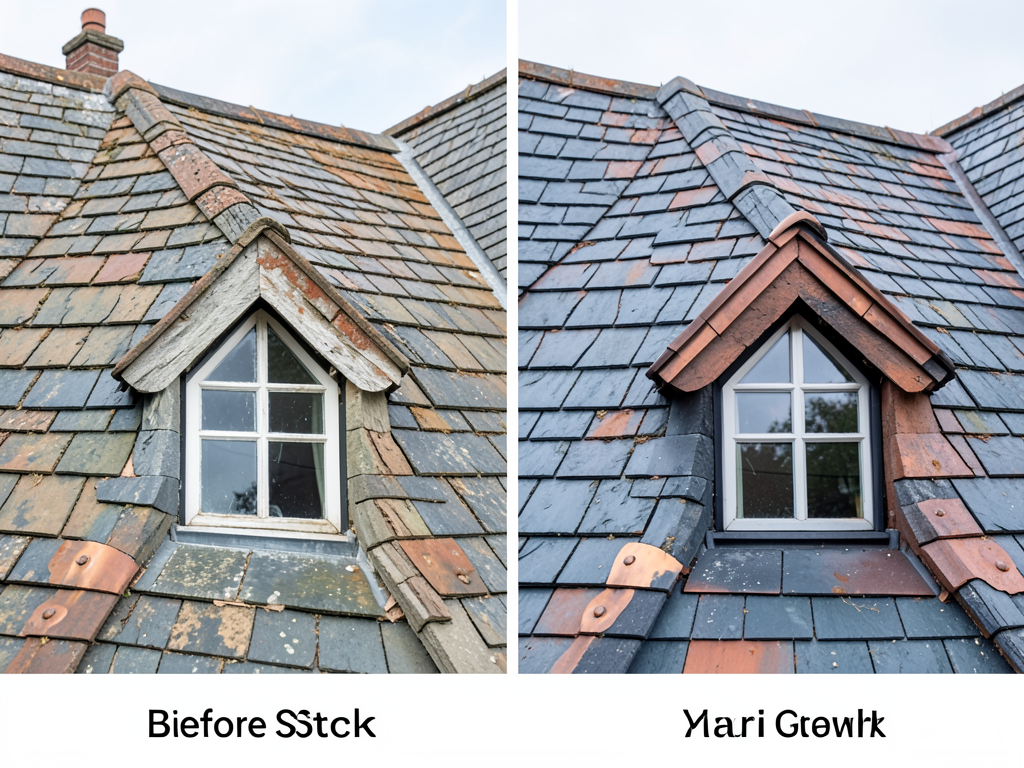
Before and after photos of a Compton Heights Victorian roof restoration showing slate replacement and copper flashing installation
Weather Considerations for St. Louis Historic Homes
St. Louis’s climate creates unique challenges for historic roofing. Summer humidity promotes algae growth on north-facing slopes. Winter freeze-thaw cycles cause slate and clay to expand and contract, potentially loosening fasteners over decades.
Hail storms pose particular risks to historic materials. While modern Class 4 impact-resistant shingles offer protection, natural slate and clay tile can crack under severe impact. Consider impact-resistant underlayment for added protection. Fixing Wind and Storm Damage Before It Ruins Your St. Louis Home.
Wind uplift concerns historic homes with complex rooflines. Turrets, dormers, and multiple valleys create turbulence points where wind-driven rain can penetrate. Proper flashing and underlayment become critical in these areas.
Ice dam formation affects many Compton Heights homes with complex roof geometries. Heat loss from historic homes often creates melt-freeze cycles that damage gutters and flashing. Proper attic ventilation and ice-and-water shield installation prevent costly water damage.
Energy Efficiency in Historic Preservation
Preserving historic character while improving energy efficiency requires careful balance. Adding insulation in attic spaces can reduce heating costs without affecting exterior appearance. Look for insulation that maintains proper roof deck ventilation.
Roof color impacts energy performance. Lighter colored slate or clay tile reflects heat in summer months. Some historic homes benefit from cool roof technology that maintains traditional appearance while reducing heat gain.
Solar integration poses challenges for historic districts. While some Compton Heights homes may qualify for solar installations, panels typically must be mounted on rear-facing slopes or integrated into roofing materials to maintain historical character.
Ventilation improvements help both energy efficiency and roof longevity. Proper soffit and ridge ventilation prevents moisture buildup that damages historic materials while reducing cooling costs in summer.
Case Studies from Compton Heights
The Henry Wright Mansion at 3400 Hawthorne Boulevard required complete slate replacement in 2024. The project involved removing 8,000 square feet of aged Vermont slate, repairing original decking, and installing matching new slate with copper flashing. Total cost approached $180,000 but preserved a National Register property.
A Compton Heights Tudor at 3625 Longfellow Boulevard underwent clay tile restoration in 2023. The 75-year-old tiles required individual inspection, with 30% replacement using matching Spanish clay. The project maintained the home’s distinctive Mediterranean character while addressing minor leaks.
The Georgian Revival at 3701 Flora Place needed emergency repairs after a 2022 hailstorm. Impact-resistant architectural shingles in historic gray provided cost-effective protection while meeting Preservation Board requirements. The $45,000 project included complete underlayment replacement and copper gutter restoration.
Technical drawing showing proper installation methods for historic slate roofing including headlap, side lap, and copper flashing details
Frequently Asked Questions
Do I need a permit to repair a few missing slate tiles?
Yes. Even minor repairs require a Certificate of Appropriateness in Compton Heights. Emergency repairs can proceed with Board notification within 48 hours, but permanent fixes need proper permitting.
How long does the COA process take?
Standard applications take 30-60 days from submission to approval. Emergency applications may be expedited for active leaks or storm damage, but still require Board review.
Can I install solar panels on my historic roof?
Solar installations face significant restrictions in historic districts. Panels typically must be mounted on rear-facing slopes or integrated into roofing materials to maintain historical character. Ground-mounted systems often provide better options.
What happens if I do work without a permit?
Unpermitted work can result in stop-work orders, mandatory removal of non-compliant materials, fines up to $500 per day, and difficulty selling your home. Always obtain proper permits before beginning work.
Protecting Your Historic Investment
Your Compton Heights mansion represents more than just a home—it’s a piece of St. Louis history. The right preservation approach ensures your roof protects both your family and architectural heritage for generations to come.
Quality materials, proper permitting, and experienced contractors make the difference between a roof that lasts 15 years and one that protects your home for a century. The initial investment in preservation-friendly roofing pays dividends through reduced maintenance, improved energy efficiency, and maintained property values.
Don’t risk your historic home with inexperienced contractors or non-compliant materials. The Preservation Board’s requirements exist to protect the very character that makes Compton Heights special.
Call (314) 417-7774 today to schedule your historic roof inspection. Our preservation specialists understand Compton Heights requirements and can guide you through the entire process from initial consultation to final inspection. Don’t wait until minor issues become major problems—protect your historic investment now.
Pick up the phone and call (314) 417-7774 before the next storm hits. Our team provides emergency preservation services for active leaks and storm damage, ensuring your historic home gets the immediate attention it deserves while maintaining all compliance requirements.
You may also find this helpful. Restoring the Steep Gables and Decorative Turrets of McKinley Heights Victorian Roofs.
{
“@context”: “https://schema.org”,
“@type”: “BlogPosting”,
“headline”: “Preservation-Friendly Roofing Options for the Historic Mansions of Compton Heights”,
“description”: “Discover approved roofing materials and permit processes for Compton Heights historic homes. Learn about St. Louis preservation requirements, COA applications, and expert restoration services.”,
“wordCount”: 1802,
“datePublished”: “2026-05-26T06:22:00.000Z”,
“dateModified”: “2026-05-26T06:22:00.000Z”,
“inLanguage”: “en-US”,
“mainEntityOfPage”: {
“@type”: “WebPage”,
“@id”: “https://pioneerroofingstlouis.com”
},
“publisher”: {
“@type”: “LocalBusiness”,
“name”: “Pioneer Roofing St. Louis”,
“url”: “https://pioneerroofingstlouis.com”
},
“author”: {
“@type”: “Organization”,
“name”: “Pioneer Roofing St. Louis”,
“url”: “https://pioneerroofingstlouis.com”
},
“image”: {
“@type”: “ImageObject”,
“url”: “https://pioneerroofingstlouis.com/wp-content/uploads/2026/03/preservation-friendly-roofing-options-for-the-hist-1.png”
}
}
{
“@context”: “https://schema.org”,
“@type”: “RoofingContractor”,
“name”: “Pioneer Roofing St. Louis”,
“url”: “https://pioneerroofingstlouis.com”,
“address”: {
“@type”: “PostalAddress”,
“addressLocality”: “St. Louis”
},
“areaServed”: {
“@type”: “City”,
“name”: “St. Louis”
}
}
{
“@context”: “https://schema.org”,
“@type”: “FAQPage”,
“mainEntity”: [
{
“@type”: “Question”,
“name”: “Do I need a permit to repair a few missing slate tiles?”,
“acceptedAnswer”: {
“@type”: “Answer”,
“text”: “Yes. Even minor repairs require a Certificate of Appropriateness in Compton Heights. Emergency repairs can proceed with Board notification within 48 hours, but permanent fixes need proper permitting.”
}
},
{
“@type”: “Question”,
“name”: “How long does the COA process take?”,
“acceptedAnswer”: {
“@type”: “Answer”,
“text”: “Standard applications take 30-60 days from submission to approval. Emergency applications may be expedited for active leaks or storm damage, but still require Board review.”
}
},
{
“@type”: “Question”,
“name”: “Can I install solar panels on my historic roof?”,
“acceptedAnswer”: {
“@type”: “Answer”,
“text”: “Solar installations face significant restrictions in historic districts. Panels typically must be mounted on rear-facing slopes or integrated into roofing materials to maintain historical character. Ground-mounted systems often provide better options.”
}
}
]
}
{
“@context”: “https://schema.org”,
“@type”: “BreadcrumbList”,
“itemListElement”: [
{
“@type”: “ListItem”,
“position”: 1,
“name”: “Home”,
“item”: “https://pioneerroofingstlouis.com”
},
{
“@type”: “ListItem”,
“position”: 2,
“name”: “Blog”,
“item”: “https://pioneerroofingstlouis.com/blog”
},
{
“@type”: “ListItem”,
“position”: 3,
“name”: “Preservation-Friendly Roofing Options for the Historic Mansions of Compton Heights”
}
]
}
{
“@context”: “https://schema.org”,
“@type”: “Service”,
“serviceType”: “Roofing”,
“provider”: {
“@type”: “LocalBusiness”,
“name”: “Pioneer Roofing St. Louis”,
“url”: “https://pioneerroofingstlouis.com”
},
“areaServed”: {
“@type”: “City”,
“name”: “St. Louis”
},
“description”: “Discover approved roofing materials and permit processes for Compton Heights historic homes. Learn about St. Louis preservation requirements, COA applications, and expert restoration services.”
}