
Why You Are Finding Shingle Granules in Your St. Louis Gutters (And If It’s a Problem)
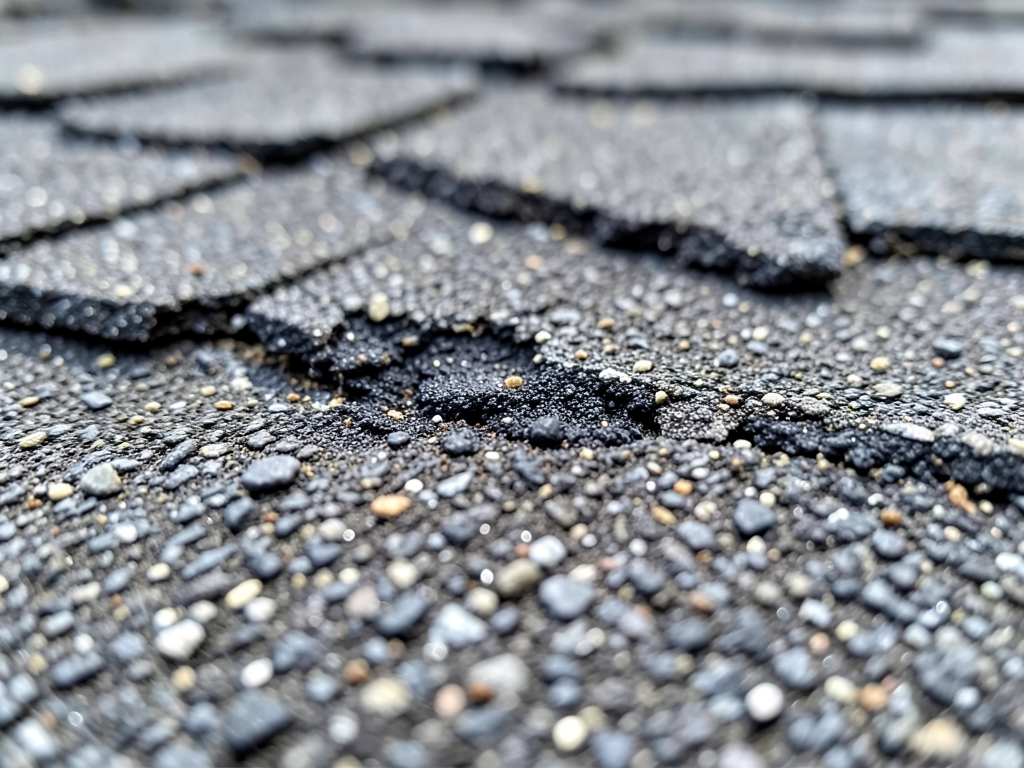
The first time you notice those gritty black or gray particles collecting in your downspouts you might think it’s just dirt. Those are asphalt shingle granules and they serve a critical purpose. They protect your roof from UV rays and fire while giving shingles their durability. Finding a few in your gutters after a heavy storm is normal. Finding handfuls or noticing bare spots on your shingles means trouble. Fixing Wind and Storm Damage Before It Ruins Your St. Louis Home.
St. Louis weather accelerates granule loss. Our intense summer heat can push roof surfaces above 150°F while winter brings freeze-thaw cycles that cause shingles to expand and contract. Add the impact from Missouri hail storms and you have conditions that wear down roofing materials faster than in milder climates. The question is not if you’ll see some granule loss but whether what you’re seeing indicates your roof is failing. Reliable Roofing Services for Your Affton Home or Rental Property.
Before you panic grab a ladder and check your downspouts. If you see a quarter-sized pile of granules after the next rain that’s probably normal wear. If you’re sweeping up coffee-can sized amounts or spotting shiny asphalt patches on your roof deck you need a professional inspection immediately.
What is Shingle Granule Loss?
Aggregate granules are crushed rock or ceramic particles embedded in the asphalt coating during manufacturing. They act like sunscreen blocking UV radiation that would otherwise bake and crack the underlying bitumen. Without them shingles dry out become brittle and fail within years instead of decades.. Read more about How to Estimate the Remaining Life of Your Roof Without Climbing a Ladder.
New shingles shed some granules during installation and for the first few months. This “factory shedding” happens when foot traffic or thermal cycling knocks loose excess material. You’ll see this most often in spring when temperature swings are greatest. The granules often look fresh and uniform in color.. Read more about The Essential Spring Roof Checklist for Every Homeowner in Clayton and Ladue.
Age-related loss looks different. Older granules appear worn rounded or discolored. You might notice them concentrated below areas where workers walked during past repairs. This type of loss happens gradually but accelerates once shingles pass their 15-year mark in our climate. EPA information on roofing shingles.
Is Granule Loss Normal? (New vs. Old Roofs)
New roof installations always lose some granules. Roofers walk on the surface during installation and minor impacts knock loose excess material. This shedding typically stops within the first year. If you had a new roof installed within the last 12 months finding small amounts of granules is expected.
Older roofs tell a different story. Asphalt shingles in St. Louis typically last 20 to 25 years but our climate can cut that to 15 to 18 years for roofs facing south or west. When a 12-year-old roof starts shedding heavily it’s often a sign that UV damage has weakened the asphalt binder. The granules lose their grip and wash away in even moderate rain. Hail Damage Assessment.
Check your roof’s age if you own your home. Look for a sticker inside your attic near the access hatch or check property records. A roof approaching or past its expected lifespan that’s losing granules needs immediate evaluation.
5 Common Causes of Granule Loss in Missouri
Hail damage ranks as the top cause of sudden granule loss in St. Louis. When hailstones strike they knock granules loose leaving behind dark spots that look like bruises on the shingle surface. These impact points often cluster on the roof side that faced the storm. If you hear hail hitting your roof during a storm check your gutters the next day.. Read more about Dealing with the Damage Falling Black Walnuts Can Do to Your Webster Groves Roof.
UV radiation breaks down the asphalt binder over time. Our summers feature weeks of 90°F plus days that heat roof surfaces well above air temperature. The constant heating and cooling cycle causes thermal expansion that eventually separates granules from the asphalt. This damage accumulates silently for years before becoming visible.. Read more about How to Spot Hail Damage on Your Vents and Gutters After a Storm Passes Through Affton.
Foot traffic from DIY repairs or satellite dish installations strips granules from shingles. Each step compresses the surface and knocks loose protective particles. This damage concentrates along paths to chimneys vents or roof edges. If you’ve had workers on your roof in the past year check those travel paths first. Who to Call for 24 Hour Roof Repairs Anywhere in St. Louis.
Blistering occurs when moisture trapped in shingles turns to steam and creates bubbles under the surface. As these blisters pop they take granules with them. This often happens in roofs with poor ventilation or those installed over damp underlayment. The resulting pattern looks like scattered coin-sized bare spots.
Algae and moss growth can lift and dislodge granules in shaded areas. While less common on steep roofs these organisms trap moisture against the surface accelerating deterioration. You’ll notice dark streaks below areas where water flows over growths.
The Gutter Test: How to Check for Damage
Start with a visual inspection from the ground using binoculars. Look for shiny or lighter colored patches on your shingles. These indicate areas where granules have worn away exposing the asphalt mat. Pay special attention to south and west facing slopes which receive the most sun.. Read more about Why West-Facing Roof Slopes in St. Charles Usually Fail First.
Check your gutters when they’re dry. Granules feel like coarse sand between your fingers. New granules look sharp and uniform while old ones appear rounded and dull. Collect a small sample in a baggie to compare with what you find on your roof.. Read more about Understanding the Real Differences Between 30 Year and 50 Year Shingles.
The screwdriver test helps assess shingle flexibility. Gently pry up a corner of a shingle in an area with granule loss. If the shingle cracks or feels rigid instead of slightly flexible it’s lost its elasticity. This test should only be done by someone comfortable on a ladder and familiar with roofing materials.
Measure the affected area. If bare spots cover less than 10% of your roof surface and the shingles still flex without cracking repairs might solve the problem. If damage exceeds 25% of the surface or shows cracking replacement becomes necessary.
When to Repair vs. Replace
Roof age drives the repair versus replace decision. Shingles under 10 years old with localized damage often qualify for repair. A professional can replace damaged sections and extend the roof’s life by 5 to 8 years. This approach works best when damage comes from specific events like hail rather than general aging.
The 25% rule provides a quick guideline. If granule loss affects more than one quarter of your roof surface replacement typically costs less than extensive repairs. At this point the remaining shingles are likely near failure anyway and matching new materials to weathered ones creates visible patches.
Check for leaks inside your attic after heavy rain. Water stains on rafters or decking indicate the underlayment has failed. Once water penetrates past the shingles the entire roofing system needs replacement regardless of surface condition.
Consider your plans for the property. If you’ll sell within five years a new roof often returns 60% to 70% of its cost in increased home value. Insurance companies also give better rates for newer roofs and some won’t write policies for roofs over 20 years old.
Navigating Insurance Claims in St. Louis
Insurance companies distinguish between wear and tear versus storm damage. Normal granule loss from aging rarely qualifies for coverage. However hail impact damage creates a distinct pattern insurance adjusters recognize. They look for the bruised spots where granules were knocked away leaving dark circular marks.
Document damage immediately after storms. Take clear photos of your roof gutters and any interior water stains. Don’t make repairs before the adjuster visits as this can reduce your claim. Most policies require you to mitigate further damage so temporary tarping is usually allowed.
Missouri follows a standard replacement cost value model for most policies. This means the insurance company pays the full replacement cost minus your deductible once repairs are complete. Some policies include depreciation which reduces the initial payment but you receive the remainder after showing proof of completion.
Work with contractors who understand insurance processes. They should provide detailed estimates using the same pricing software as adjusters. This alignment prevents disputes over repair costs and speeds claim approval.
Protecting Your Investment
Regular maintenance prevents minor granule loss from becoming major problems. Clean your gutters twice yearly to prevent granule buildup that can trap moisture against fascia boards. Check attic ventilation to ensure proper airflow which reduces heat buildup that accelerates shingle aging.
Trim overhanging tree branches that drop debris or shade large roof areas. While shade reduces cooling costs it also creates conditions for moss and algae growth. Keep branches at least 10 feet from your roof to minimize impact damage during storms.
Schedule professional inspections every two years or after major storms. A trained eye spots early warning signs homeowners miss. Small repairs during these visits often prevent thousands in water damage later. Why Ladue Homeowners Trust These Specialized Roofing Contractors.
Consider impact-resistant shingles when replacement becomes necessary. Class 4 shingles withstand hail strikes that would damage standard materials. While they cost 20% to 30% more they often qualify for insurance discounts and last longer in our climate.
Finding granules in your gutters doesn’t always mean disaster but it does mean you should pay attention. Your roof protects everything inside your home. When it shows signs of wear addressing problems early keeps small issues from becoming expensive emergencies.
Frequently Asked Questions
How many granules in my gutters are too many?
If you’re sweeping up more than a coffee can’s worth of granules after a single rain event or noticing bare spots on your shingles you should schedule an inspection. Small amounts of fresh-looking granules after installation or major storms are normal.
Can I repair just the damaged sections of my roof?
Repair works for localized damage affecting less than 10% of the roof when the remaining shingles are in good condition. If damage exceeds 25% or the roof is over 15 years old replacement usually makes more financial sense.
Will my insurance cover granule loss?
Insurance covers sudden damage from covered perils like hail but not gradual wear from aging. If you see uniform granule loss across your entire roof it’s likely normal aging. If you see concentrated damage in one area following a storm you might have a valid claim.
How long do asphalt shingles last in St. Louis?
Standard asphalt shingles typically last 20 to 25 years in our climate but factors like south-facing exposure poor ventilation or severe weather can reduce that to 15 to 18 years. Impact-resistant shingles often last 5 to 10 years longer.
What’s the best time of year for roof replacement?
Spring and fall offer ideal temperatures for installation with moderate heat and minimal rain. Summer installations require careful timing to avoid working on surfaces above 150°F. Winter work is possible but cold temperatures can affect material flexibility and sealing.
How can I tell if granules are from hail damage?
Hail damage creates dark circular spots where granules were knocked away. These impact points often appear on the roof side that faced the storm and may have a bruised or dented appearance. Pattern and concentration help distinguish hail from normal wear.
Should I clean granules out of my gutters?
Yes. Granule buildup traps moisture against fascia boards and can clog downspouts causing water to back up under roofing materials. Clean gutters twice yearly but check them more often if you notice heavy granule loss.
What causes sudden granule loss after a storm?
Hail impact wind-driven debris and thermal shock from rapid temperature changes can all cause sudden granule loss. If you notice a dramatic increase after severe weather have a professional inspect for damage that might require insurance claim filing.
Are there better shingle options for St. Louis weather?
Impact-resistant Class 4 shingles withstand hail better than standard materials. Metal roofing offers superior longevity and hail resistance though at higher initial cost. Both options often qualify for insurance discounts in storm-prone areas.
How do I know if my roof needs replacement or just repair?
Consider age extent of damage presence of leaks and your plans for the property. Roofs under 10 years old with localized damage often repair well. Older roofs with widespread issues or active leaks typically need replacement. A professional inspection provides definitive guidance.
Take Action Before Minor Granule Loss Becomes Major Damage
Those granules washing into your downspouts are trying to tell you something. Normal wear shows up as occasional particles. Heavy loss with bare spots means your roof’s protective layer is failing. In St. Louis weather that failure can escalate from minor to catastrophic in a single storm.
Don’t wait until water stains appear on your ceiling. Pick up the phone and call (314) 417-7774 today to schedule your professional roof inspection. Our team knows exactly what to look for and can tell you whether your granule loss is normal aging or storm damage that qualifies for insurance coverage.
Every day you delay is another day your home remains vulnerable. Call (314) 417-7774 before the next storm hits. We’ll evaluate your roof’s condition provide clear recommendations and help you understand all your options whether that’s targeted repairs or complete replacement. For more information, visit FEMA hail protection guidelines.
You may also find this helpful. How Much a New Roof Actually Increases the Resale Value of Your Mehlville Home.
{
“@context”: “https://schema.org”,
“@type”: “BlogPosting”,
“headline”: “Why You Are Finding Shingle Granules in Your St. Louis Gutters (And If It’s a Problem)”,
“description”: “Finding shingle granules in your St. Louis gutters? Learn what causes granule loss, when it’s normal, and when it signals serious roof damage that needs immediate repair.”,
“wordCount”: 2196,
“datePublished”: “2026-05-15T09:11:00.000Z”,
“dateModified”: “2026-05-15T09:11:00.000Z”,
“inLanguage”: “en-US”,
“mainEntityOfPage”: {
“@type”: “WebPage”,
“@id”: “https://pioneerroofingstlouis.com”
},
“publisher”: {
“@type”: “LocalBusiness”,
“name”: “Pioneer Roofing St. Louis”,
“url”: “https://pioneerroofingstlouis.com”
},
“author”: {
“@type”: “Organization”,
“name”: “Pioneer Roofing St. Louis”,
“url”: “https://pioneerroofingstlouis.com”
},
“image”: {
“@type”: “ImageObject”,
“url”: “https://pioneerroofingstlouis.com/wp-content/uploads/2026/03/why-you-are-finding-shingle-granules-in-your-st-lo-1.png”
}
}
{
“@context”: “https://schema.org”,
“@type”: “RoofingContractor”,
“name”: “Pioneer Roofing St. Louis”,
“url”: “https://pioneerroofingstlouis.com”,
“address”: {
“@type”: “PostalAddress”,
“addressLocality”: “St. Louis”
},
“areaServed”: {
“@type”: “City”,
“name”: “St. Louis”
}
}
{
“@context”: “https://schema.org”,
“@type”: “FAQPage”,
“mainEntity”: [
{
“@type”: “Question”,
“name”: “What is Shingle Granule Loss?”,
“acceptedAnswer”: {
“@type”: “Answer”,
“text”: “Aggregate granules are crushed rock or ceramic particles embedded in the asphalt coating during manufacturing. They act like sunscreen blocking UV radiation that would otherwise bake and crack the underlying bitumen. Without them shingles dry out become brittle and fail within years instead of decades.”
}
},
{
“@type”: “Question”,
“name”: “How many granules in my gutters are too many?”,
“acceptedAnswer”: {
“@type”: “Answer”,
“text”: “If you’re sweeping up more than a coffee can’s worth of granules after a single rain event or noticing bare spots on your shingles you should schedule an inspection. Small amounts of fresh-looking granules after installation or major storms are normal.”
}
},
{
“@type”: “Question”,
“name”: “Can I repair just the damaged sections of my roof?”,
“acceptedAnswer”: {
“@type”: “Answer”,
“text”: “Repair works for localized damage affecting less than 10% of the roof when the remaining shingles are in good condition. If damage exceeds 25% or the roof is over 15 years old replacement usually makes more financial sense.”
}
},
{
“@type”: “Question”,
“name”: “Will my insurance cover granule loss?”,
“acceptedAnswer”: {
“@type”: “Answer”,
“text”: “Insurance covers sudden damage from covered perils like hail but not gradual wear from aging. If you see uniform granule loss across your entire roof it’s likely normal aging. If you see concentrated damage in one area following a storm you might have a valid claim.”
}
},
{
“@type”: “Question”,
“name”: “How long do asphalt shingles last in St. Louis?”,
“acceptedAnswer”: {
“@type”: “Answer”,
“text”: “Standard asphalt shingles typically last 20 to 25 years in our climate but factors like south-facing exposure poor ventilation or severe weather can reduce that to 15 to 18 years. Impact-resistant shingles often last 5 to 10 years longer.”
}
},
{
“@type”: “Question”,
“name”: “What’s the best time of year for roof replacement?”,
“acceptedAnswer”: {
“@type”: “Answer”,
“text”: “Spring and fall offer ideal temperatures for installation with moderate heat and minimal rain. Summer installations require careful timing to avoid working on surfaces above 150°F. Winter work is possible but cold temperatures can affect material flexibility and sealing.”
}
},
{
“@type”: “Question”,
“name”: “How can I tell if granules are from hail damage?”,
“acceptedAnswer”: {
“@type”: “Answer”,
“text”: “Hail damage creates dark circular spots where granules were knocked away. These impact points often appear on the roof side that faced the storm and may have a bruised or dented appearance. Pattern and concentration help distinguish hail from normal wear.”
}
},
{
“@type”: “Question”,
“name”: “Should I clean granules out of my gutters?”,
“acceptedAnswer”: {
“@type”: “Answer”,
“text”: “Yes. Granule buildup traps moisture against fascia boards and can clog downspouts causing water to back up under roofing materials. Clean gutters twice yearly but check them more often if you notice heavy granule loss.”
}
},
{
“@type”: “Question”,
“name”: “What causes sudden granule loss after a storm?”,
“acceptedAnswer”: {
“@type”: “Answer”,
“text”: “Hail impact wind-driven debris and thermal shock from rapid temperature changes can all cause sudden granule loss. If you notice a dramatic increase after severe weather have a professional inspect for damage that might require insurance claim filing.”
}
},
{
“@type”: “Question”,
“name”: “Are there better shingle options for St. Louis weather?”,
“acceptedAnswer”: {
“@type”: “Answer”,
“text”: “Impact-resistant Class 4 shingles withstand hail better than standard materials. Metal roofing offers superior longevity and hail resistance though at higher initial cost. Both options often qualify for insurance discounts in storm-prone areas.”
}
},
{
“@type”: “Question”,
“name”: “How do I know if my roof needs replacement or just repair?”,
“acceptedAnswer”: {
“@type”: “Answer”,
“text”: “Consider age extent of damage presence of leaks and your plans for the property. Roofs under 10 years old with localized damage often repair well. Older roofs with widespread issues or active leaks typically need replacement. A professional inspection provides definitive guidance.”
}
}
]
}
{
“@context”: “https://schema.org”,
“@type”: “BreadcrumbList”,
“itemListElement”: [
{
“@type”: “ListItem”,
“position”: 1,
“name”: “Home”,
“item”: “https://pioneerroofingstlouis.com”
},
{
“@type”: “ListItem”,
“position”: 2,
“name”: “Blog”,
“item”: “https://pioneerroofingstlouis.com/blog”
},
{
“@type”: “ListItem”,
“position”: 3,
“name”: “Why You Are Finding Shingle Granules in Your St. Louis Gutters (And If It’s a Problem)”
}
]
}
{
“@context”: “https://schema.org”,
“@type”: “Service”,
“serviceType”: “Roofing”,
“provider”: {
“@type”: “LocalBusiness”,
“name”: “Pioneer Roofing St. Louis”,
“url”: “https://pioneerroofingstlouis.com”
},
“areaServed”: {
“@type”: “City”,
“name”: “St. Louis”
},
“description”: “Finding shingle granules in your St. Louis gutters? Learn what causes granule loss, when it’s normal, and when it signals serious roof damage that needs immediate repair.”
}