menu

Asphalt Shingle Roofing in St. Louis – Built to Survive Freeze-Thaw Cycles and Midwest Storm Damage

Ironwood Roofing Miami installs fiberglass shingles and composition shingle roofing engineered for St. Louis's extreme temperature swings, ice expansion, and summer hail, protecting your home year-round without constant repairs.

Slider Image 1
Slider Image 2
Slider Image 3
Slider Image 4
Slider Image 5
Slider Image 7
Slider Image 8
Slider Image 9
Slider Image 10
Slider Image 11

Why St. Louis Roofs Fail Faster Than You Think

St. Louis sits in a climate trap. You get 100-degree summers, sub-zero winters, and 40-degree temperature swings in 24 hours. That cycle destroys roofs. When water seeps under asphalt roof shingles and freezes, it expands. That expansion lifts shingles, cracks sealant, and opens gaps. When it melts, water penetrates deeper. Repeat this 30 times per winter, and you understand why roofs in the metro fail after 15 years instead of 25.

Add the clay soil beneath your foundation. St. Louis homes sit on expansive clay that shifts with moisture. That shifting stresses your roof deck and causes uneven settling, which breaks the bond between composition shingles and underlayment. You see the result as curling edges, missing granules, and wind damage after storms roll through from the west.

Your roof also faces hail. St. Louis averages 3-5 hail events per year, mostly May through July. Quarter-inch hail dents gutters. Inch hail destroys fiberglass shingles. Most homeowners do not notice damage until leaks appear months later, by which time underlayment has rotted and decking has warped.

The River Des Peres floods, humidity stays above 70 percent in summer, and algae growth blackens north-facing slopes. If your asphalt shingles were installed without proper ventilation or algae-resistant granules, you are looking at premature failure. St. Louis roofs need specific materials, specific installation methods, and contractors who understand how freeze-thaw cycles interact with local humidity and soil movement.

Why St. Louis Roofs Fail Faster Than You Think
How We Install Composite Shingle Roofing That Lasts in St. Louis

How We Install Composite Shingle Roofing That Lasts in St. Louis

We do not slap shingles on plywood and call it done. St. Louis demands engineered layering. We start with ice and water shield at eaves, valleys, and penetrations. This self-sealing membrane stops ice dams from driving water backward under shingles during February freezes. Standard felt paper does not cut it here. Ice and water shield is non-negotiable.

Next, we install synthetic underlayment across the entire deck. Synthetic underlayment resists tearing during high winds, does not wrinkle in heat, and sheds water if installation gets delayed by weather. It also allows the deck to breathe, preventing moisture entrapment that leads to rot. We overlap seams by six inches and mechanically fasten every 12 inches to prevent blow-off.

We use architectural-grade fiberglass shingles rated for 130 mph wind zones. These shingles have a heavier mat, deeper granule embedment, and dual-layer construction that resists impact better than three-tab shingles. We hand-seal every shingle with roofing cement in high-wind areas like ridges and rakes. We also install drip edge at eaves and gables to direct water away from fascia and prevent rot behind gutters.

Ventilation is critical. We calculate your attic's square footage and install ridge vents paired with soffit vents to create continuous airflow. Proper ventilation keeps your attic 10-15 degrees cooler in summer, which prevents shingle blistering and extends lifespan. It also evacuates moisture in winter, which stops condensation from rotting your deck from below. Most roofers skip this step. We do not.

What Happens When You Hire Us for Your Roof Replacement

Asphalt Shingle Roofing in St. Louis – Built to Survive Freeze-Thaw Cycles and Midwest Storm Damage
01

Deck Inspection and Prep

We tear off old shingles down to the deck and inspect every sheet of plywood or OSB. We look for soft spots, water stains, and nail pops. Any damaged decking gets replaced with CDX plywood, not particleboard. We also check truss spacing and rafter alignment. If your deck is not structurally sound, your new asphalt shingles will fail within five years. We fix it before we install anything.
02

Layering and Installation

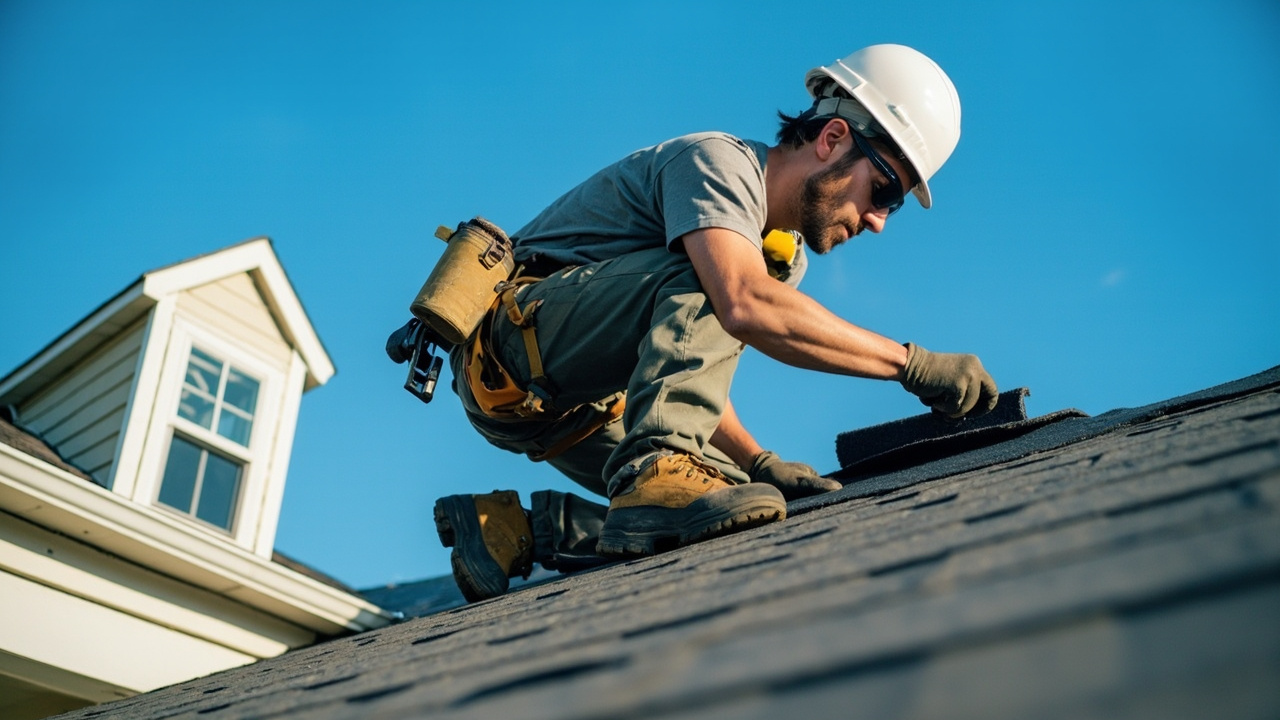
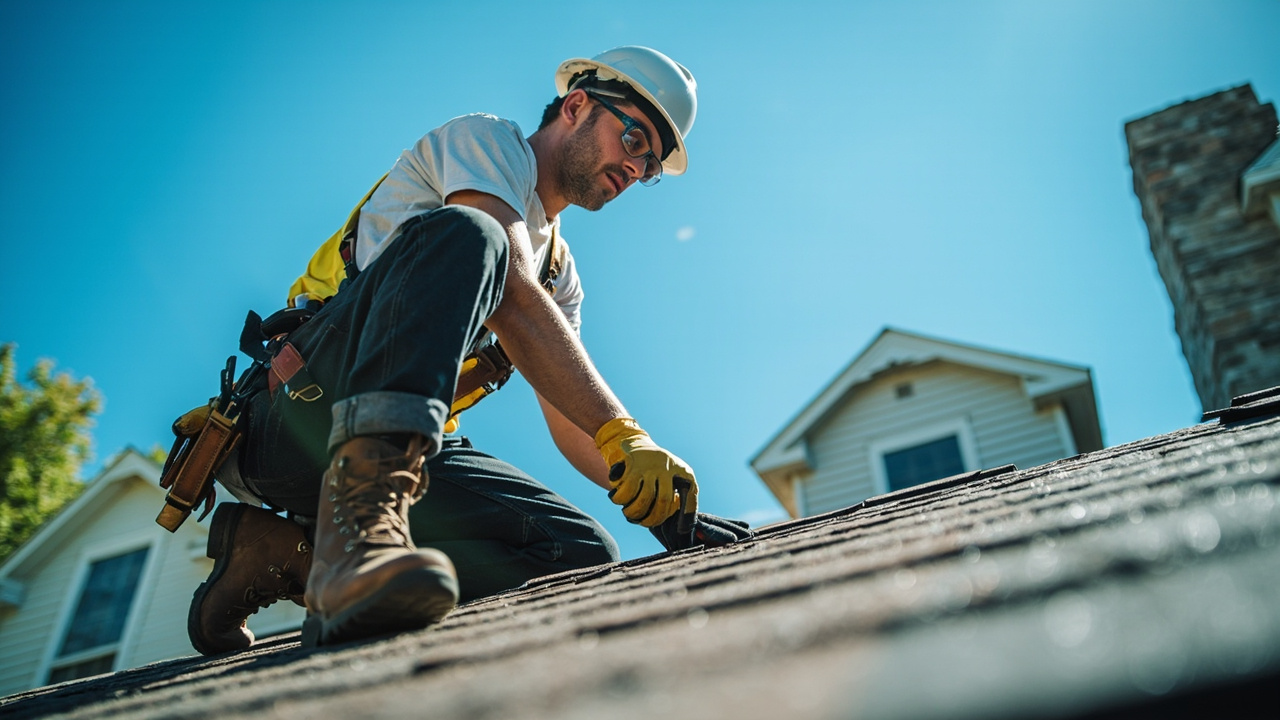
We apply ice and water shield, synthetic underlayment, and drip edge in sequence. Then we snap chalk lines for alignment and install starter strips at eaves. Each course of composition shingles gets nailed with six fasteners per shingle, driven flush but not overdriven. We stagger seams, maintain proper exposure, and hand-seal every edge. Valleys get open-metal treatment or woven shingles depending on pitch and water volume. Ridge caps get high-profile shingles for wind resistance.
03

Final Inspection and Cleanup

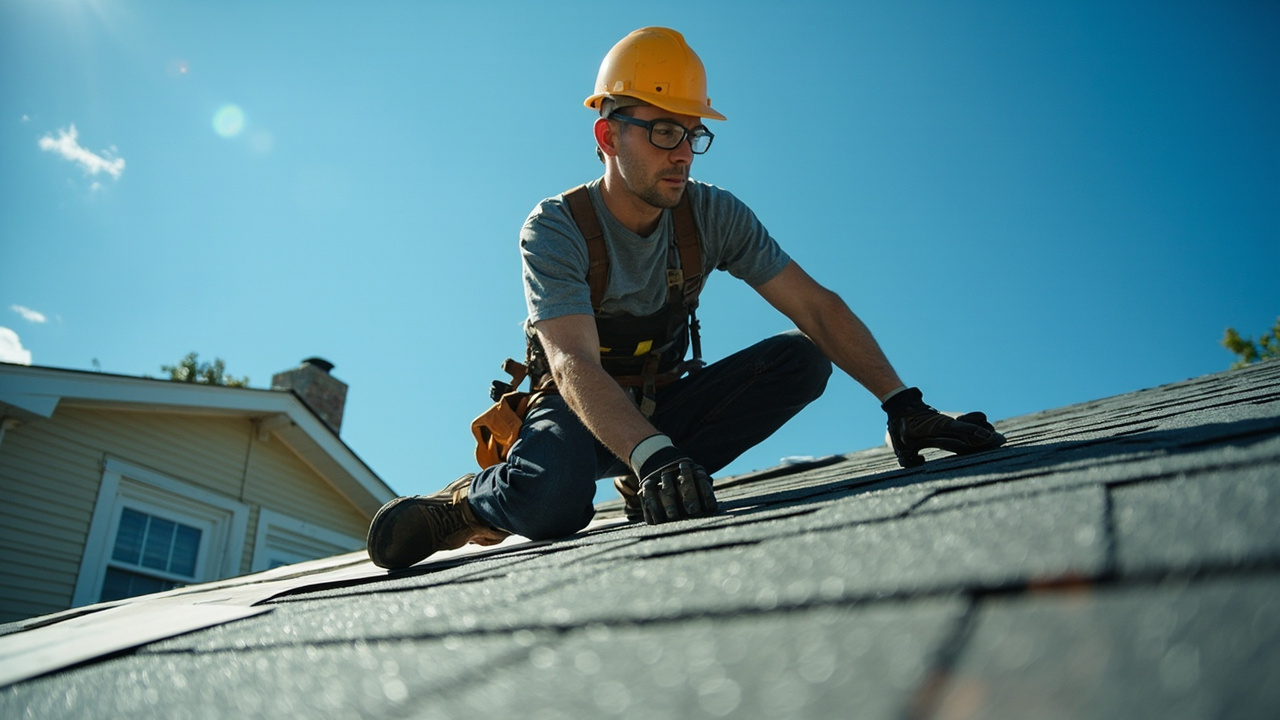
We walk the roof and check every penetration, flashing joint, and shingle bond. We also inspect gutters for debris and test downspouts for proper drainage. Our crew uses magnetic rollers to pick up nails from your yard, driveway, and landscaping. You get a walk-through of the completed work, photos of critical details, and documentation for your records. The job is not done until you approve it.

Why St. Louis Homeowners Trust Ironwood Roofing Miami for Asphalt Shingle Roofing

St. Louis has unique building challenges. Homes in Soulard and Lafayette Square were built in the 1800s with steep pitches and complex hips. Subdivisions in West County sit on clay soil that shifts every spring. Homes near the Mississippi River face high humidity and algae growth. You need a contractor who understands these variables, not a crew that memorized a generic installation manual.

We know St. Louis building codes. The city requires specific fastener schedules, flashing details, and wind ratings depending on your zone. We pull permits, schedule inspections, and document everything. If you ever sell your home, you will have proof that your roof was installed to code. That matters when buyers order inspections.

We also know how to navigate insurance claims. When hail hits your neighborhood, adjusters show up with drones and software that underpays damage. We document every bruise, divot, and granule loss. We meet adjusters on-site, explain the extent of damage in terms they cannot dispute, and ensure you get a full replacement, not a patch job. Most homeowners leave thousands of dollars on the table because they do not know how to argue scope.

We source materials locally. Our suppliers stock shingles rated for freeze-thaw resistance and algae inhibitors. We do not use builder-grade shingles from big-box stores. You get architectural shingles with warranties that actually matter, installed by crews who have worked St. Louis roofs for years. Experience is not optional in this climate.

What You Get When You Choose Us for Asphalt Shingle Roofing

Fast Project Turnaround

Most residential roofs take two to three days from tearoff to final cleanup. We schedule around weather, not convenience, so we do not start a job if rain is forecast within 48 hours. You get a detailed timeline before we begin, including material delivery, dumpster placement, and inspection dates. If delays happen, you hear about them before they affect your schedule. We do not ghost you.

Thorough Roof Assessment

We climb your roof and inspect every component. You get a written estimate that breaks down decking replacement, underlayment type, shingle brand, ventilation upgrades, and flashing details. We also photograph damage and provide a condition report. If you are filing an insurance claim, this documentation is critical. We do not give ballpark numbers over the phone. Accurate pricing requires an on-site inspection.

A Roof That Performs

Your finished roof will shed water, resist wind, and maintain its appearance for decades. You get properly sealed penetrations, clean valleys, and uniform shingle alignment. We also ensure your attic ventilation meets code, which prevents ice dams in winter and reduces cooling costs in summer. The result is a roof system that works as engineered, not just something that looks good from the street.

Ongoing Support After Installation

We provide documentation of materials used, installation photos, and manufacturer warranty information. If you have questions about maintenance, storm damage, or insurance claims, you can call us. We also offer annual inspections to catch small issues before they become expensive problems. Your roof is a long-term investment. We treat it that way.

Frequently Asked Questions

You Have Questions,
We Have Answers

What's the difference between asphalt shingles and regular shingles? +

Asphalt shingles are the most common type of regular shingles used in residential roofing. When people say regular shingles, they usually mean asphalt composition shingles. These are made from a fiberglass or organic mat coated with asphalt and mineral granules. Other shingle types include wood shake, slate, or composite materials. In St. Louis, asphalt shingles dominate because they handle our freeze-thaw cycles well and offer solid protection against summer storms. They come in three-tab or architectural styles. If you hear someone compare asphalt to regular shingles, they likely mean asphalt versus alternative materials like metal or tile.

What is asphalt shingle roofing? +

Asphalt shingle roofing uses overlapping layers of fiberglass-backed shingles coated with asphalt and protective granules. These shingles shed water down the roof slope and into gutters. The system includes underlayment, flashing around penetrations, and starter strips along edges. St. Louis homes favor asphalt because it resists moisture from our humid summers and handles temperature swings between winter and summer. You will find two main types: three-tab shingles, which are flat and uniform, and architectural shingles, which are thicker with dimensional texture. Both protect against wind, rain, and UV damage while keeping installation costs reasonable for area homeowners.

What is the average cost of an asphalt shingle roof? +

Asphalt shingle roof costs vary based on roof size, pitch, complexity, and shingle quality. You will pay more for architectural shingles than three-tab versions. Tear-off of old roofing adds expense. In St. Louis, factors like ice and water shield requirements in valleys and proper attic ventilation to combat humidity affect final pricing. Steep roofs or homes with multiple dormers, chimneys, or skylights increase labor time. Material prices fluctuate with oil costs since asphalt is petroleum-based. Get multiple written estimates that specify shingle brand, warranty coverage, and scope of work including flashing replacement and ventilation upgrades.

Can you still buy asphalt shingles? +

Yes, asphalt shingles remain widely available and are the most popular roofing material in North America. You can buy them at building supply stores, roofing distributors, and through contractors. Major manufacturers like GAF, Owens Corning, and CertainTeed produce extensive lines. In St. Louis, local suppliers stock shingles rated for our climate zone. You will find options from budget three-tab to premium architectural styles with enhanced wind ratings and algae resistance. Some older shingle formulations have been phased out for environmental reasons, but the category is strong. Homeowners and contractors can easily source quality asphalt shingles for new construction or replacement projects.

How much does it cost to put an asphalt roof on a 2000 sq ft house? +

A 2000 square foot house typically requires 20 to 22 roofing squares, depending on roof pitch and complexity. Steeper roofs have more surface area than the home's footprint. Cost factors include shingle quality, number of layers to remove, flashing needs, and ventilation improvements. St. Louis homes often need ice and water shield in valleys due to winter weather and proper ridge venting to manage summer heat buildup in attics. Complex roof designs with multiple hips, valleys, or penetrations increase material waste and labor time. Request detailed estimates from local contractors who understand our regional building requirements and climate challenges.

How many years do asphalt shingles last? +

Three-tab asphalt shingles last 15 to 20 years, while architectural shingles last 25 to 30 years in typical conditions. St. Louis climate affects lifespan. Our freeze-thaw cycles, summer heat, and storms with high winds or hail accelerate wear. South-facing roof slopes degrade faster from UV exposure. Proper attic ventilation extends shingle life by reducing heat buildup. Poor installation, inadequate underlayment, or missing maintenance like cleaning gutters shortens durability. Premium shingles with higher-grade asphalt and thicker construction last longer. Inspect your roof annually for curling, granule loss, or damaged shingles. Replace when you see widespread deterioration before leaks develop.

What are the downsides of asphalt shingles? +

Asphalt shingles are vulnerable to wind damage during severe storms common in the St. Louis area. They can crack in extreme cold and soften in high heat. Algae growth appears as dark streaks on north-facing slopes in our humid climate, though algae-resistant shingles help. Hail can dent or puncture shingles, requiring replacement. They offer shorter lifespans than metal or slate. Asphalt is petroleum-based, raising environmental concerns. Color fading occurs over time from UV exposure. Improper installation or ventilation causes premature failure. Despite these downsides, their affordability, ease of installation, and adequate performance make asphalt shingles the practical choice for most area homeowners.

What are the top 3 roofing shingles? +

The top asphalt shingle manufacturers are GAF, Owens Corning, and CertainTeed. GAF Timberline HDZ shingles offer strong wind resistance and algae protection suited for St. Louis weather. Owens Corning Duration series provides excellent durability with SureNail technology for secure fastening during storms. CertainTeed Landmark shingles deliver dimensional styling with solid warranty coverage. All three brands meet local building codes and perform well in our climate with freeze-thaw cycles and summer humidity. Your contractor's expertise with installation matters more than brand alone. Choose shingles rated for high wind zones and with algae resistance. Compare warranties covering manufacturing defects versus wind damage or algae.

Does asphalt shingle roofing require an underlayment? +

Yes, underlayment is required beneath asphalt shingles. It provides a secondary water barrier if shingles fail and protects roof decking during installation. St. Louis building codes mandate underlayment across the entire roof deck. Synthetic underlayment offers better tear resistance and weather protection than traditional felt paper. You also need ice and water shield, a self-adhering membrane, in vulnerable areas like eaves, valleys, and around chimneys or skylights. This prevents water intrusion from ice dams during winter freeze-thaw cycles common here. Proper underlayment installation is critical for long-term roof performance. Skipping it voids most shingle warranties and leaves your home exposed to leak damage.

How much to shingle a 20x20 roof? +

A 20x20 roof covers 400 square feet, or four roofing squares. Actual material needs depend on roof pitch and waste factor. Steeper roofs require more shingles. You will also need underlayment, starter strips, ridge caps, flashing, and fasteners. Labor costs reflect complexity, tear-off requirements, and access difficulty. In St. Louis, ensure your contractor includes proper ventilation and ice and water shield at eaves and valleys. Small roof projects sometimes cost more per square foot than larger jobs due to minimum charges and setup time. Get written estimates detailing materials, labor, and disposal. Simple gable roofs cost less than hipped or complex designs.

How St. Louis's Freeze-Thaw Cycles Destroy Asphalt Roof Shingles Faster Than Anywhere Else

St. Louis experiences 30 to 50 freeze-thaw cycles per winter. That means water trapped under or between asphalt shingles freezes, expands, and lifts sealant strips. When it melts, water penetrates deeper into underlayment and decking. This cycle accelerates granule loss, breaks adhesive bonds, and causes premature shingle curling. Roofs installed without ice and water shield at eaves and valleys fail within 10 years. St. Louis's position along the Mississippi River also creates high humidity, which promotes algae growth and traps moisture under shingles. You need fiberglass shingles with algae-resistant granules and proper attic ventilation to survive this climate. Standard installation methods used in warmer climates do not work here.

St. Louis County and the City of St. Louis enforce building codes that require specific wind ratings, fastener schedules, and flashing details. Permits are required for all roof replacements, and inspections verify compliance. Contractors unfamiliar with local code enforcement often skip steps or use materials that do not meet requirements. That creates liability for you as the homeowner. We pull permits, coordinate inspections, and document every phase of installation. We also understand the architectural diversity of St. Louis neighborhoods, from the low-slope commercial buildings in the Central West End to the steep Victorian roofs in Tower Grove. Local expertise matters when your roof needs to last 25 years in a climate this punishing.
Roofing Services in The St. Louis Area

Pioneer Roofing is proud to serve the entire St. Louis metropolitan area and surrounding communities. Our local presence means we are always nearby and ready to respond quickly to your roofing needs, whether you are located in the heart of St. Louis or the greater county. View our location and service radius on the map to confirm we cover your neighborhood and then call us to schedule your service!

Address:
Pioneer Roofing St. Louis, 1031 Lami St, St. Louis, MO, 63104

Additional Services We Offer

Our news updates

Latest Articles & News from The Blogs

How to Estimate the Remaining Life of Your Roof Without Climbing a Ladder Standing on your roof can be dangerous…

How to Estimate the Remaining Life of Your Roof Without Climbing a Ladder

How to Estimate the Remaining Life of Your Roof Without Climbing a Ladder Standing on your roof can be dangerous…

The Essential Spring Roof Checklist for Every Homeowner in Clayton and Ladue

The Essential Spring Roof Checklist for Every Homeowner in Clayton and Ladue Spring in St. Louis means rapid temperature swings…

Why the Steep Rooflines of Lemay Ranch Homes Need Extra Attention During Storm Season

Why the Steep Rooflines of Lemay Ranch Homes Need Extra Attention During Storm Season \n\n Lemay’s mid-century ranch homes with…

Contact Us

Call (314) 417-7774 now to schedule your inspection. We climb your roof, document damage, and provide a written estimate with no pressure. If your roof has storm damage, we help you file your insurance claim and get the payout you deserve.