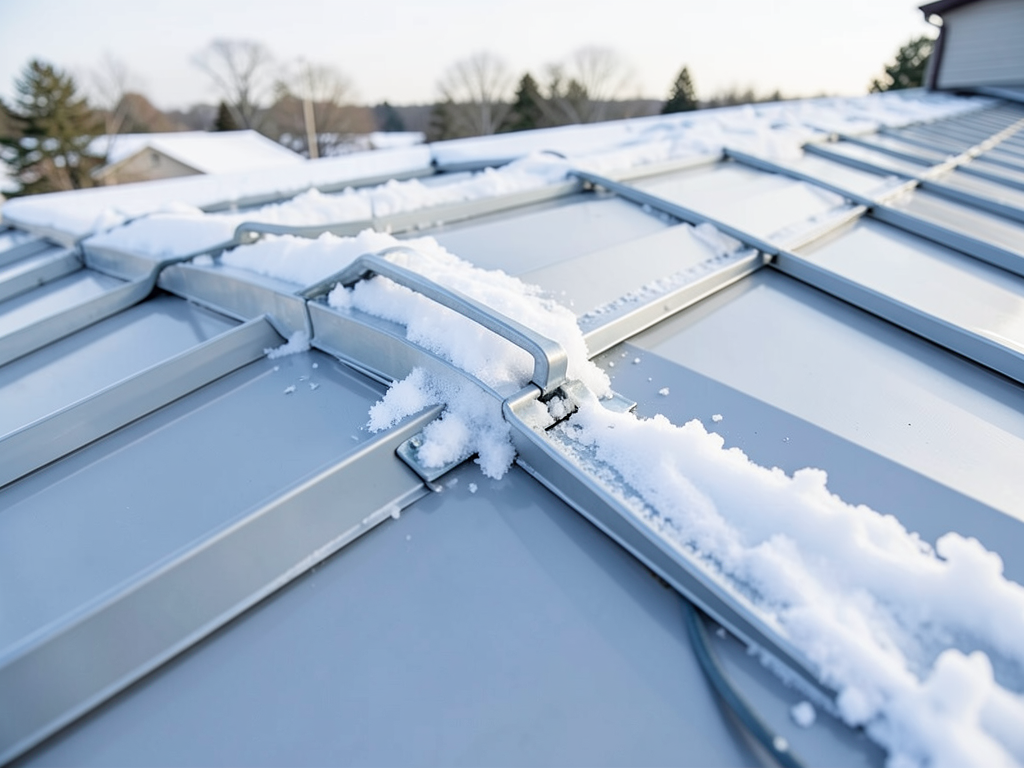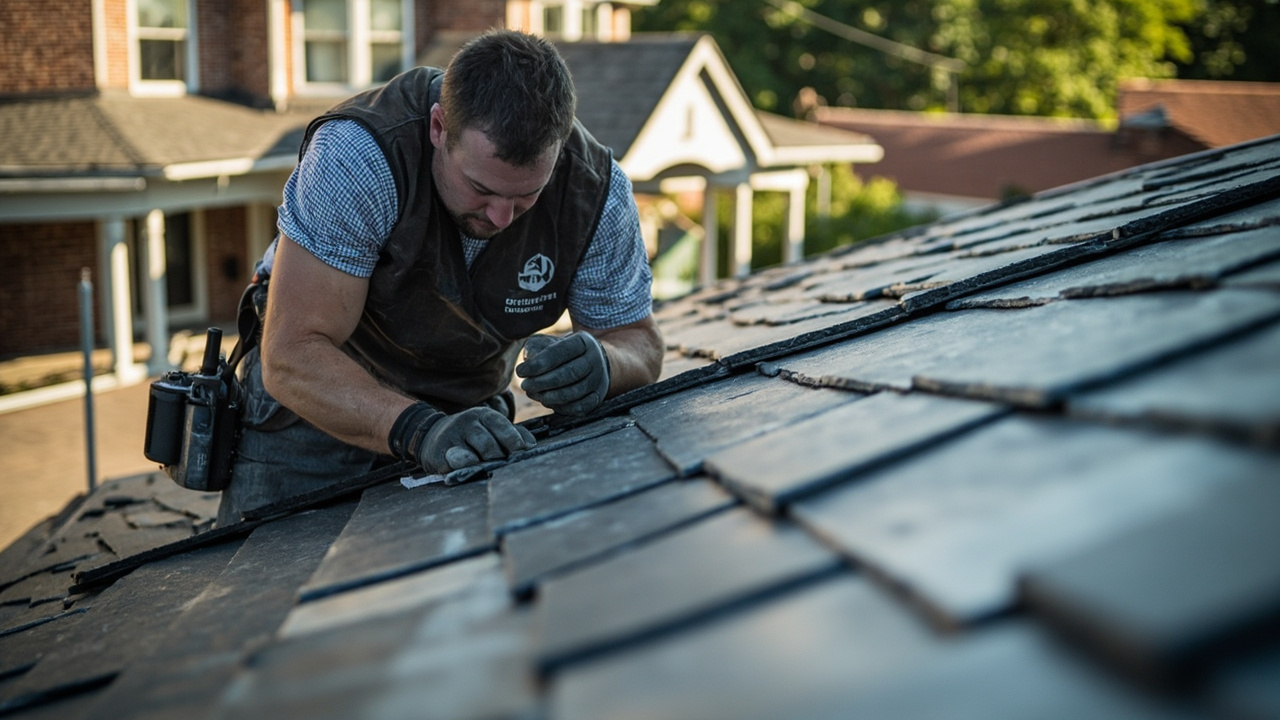
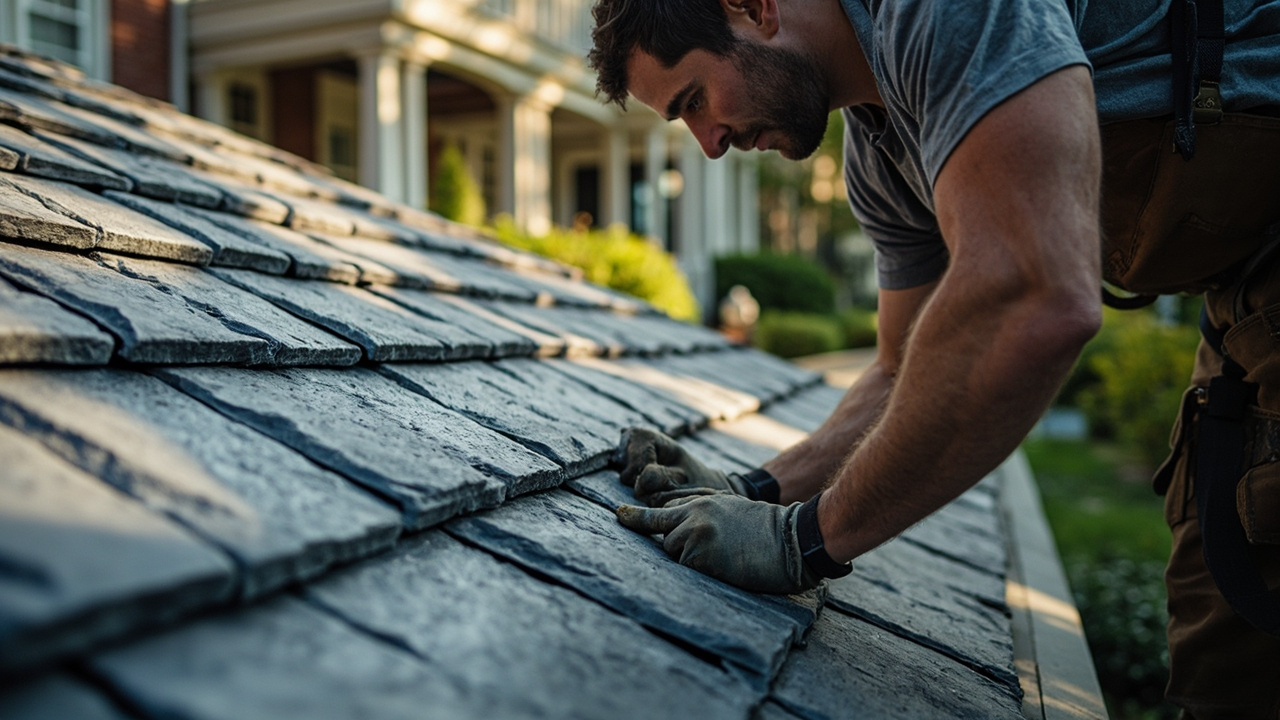
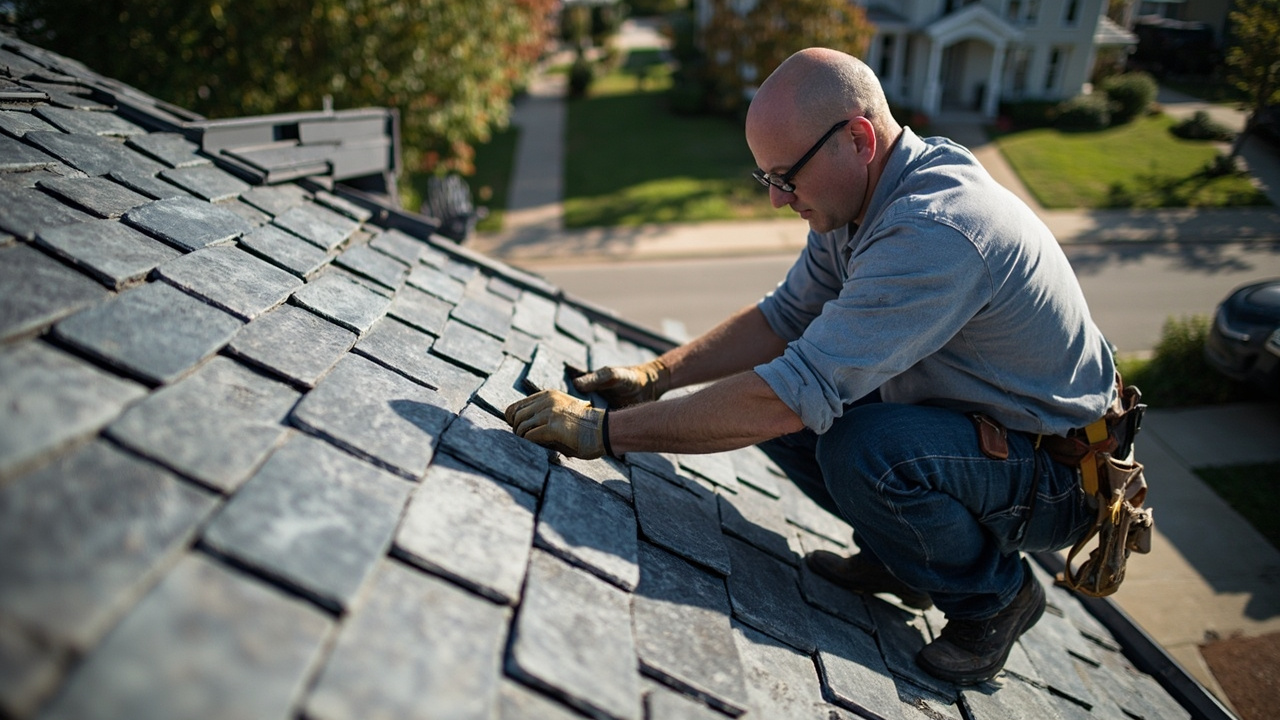
St. Louis experiences 30 to 40 freeze-thaw cycles each winter. When temperatures swing from 15 degrees at night to 45 degrees by afternoon, any moisture trapped under roofing materials expands and contracts. This movement cracks underlayment, loosens fasteners, and shifts tiles out of alignment. Natural slate roof tiles resist this damage because stone does not absorb water. But if your installation uses cheap underlayment or incorrect fastening systems, moisture gets trapped between the slate and the deck. Ice forms, expands, and pushes tiles loose. By spring, you have wind uplift and leaks. Composite slate roofing avoids this problem if installed with proper vapor barriers and high-temp adhesives rated for thermal cycling.
St. Louis building codes require specific wind ratings for roofing materials in residential zones. Slate installations must meet ASTM D5590 standards for wind resistance and fastener pull-through strength. Many contractors ignore these requirements because they install asphalt shingles that have lower compliance thresholds. If your slate roof does not meet code, you fail inspection during resale or renovation permits. Insurance companies also deny claims if your roof was installed incorrectly. We follow city code, manufacturer specifications, and industry best practices for every slate installation. That means you pass inspections, maintain insurability, and protect your home equity.