menu

Built-Up Roofing in St. Louis | Industrial-Grade Protection That Minimizes Business Downtime

Pioneer Roofing St. Louis installs and maintains multi-ply BUR roofing systems engineered for high-traffic commercial facilities across the St. Louis metro, delivering watertight performance that keeps operations running without interruption.

Slider Image 1
Slider Image 2
Slider Image 3
Slider Image 4
Slider Image 5
Slider Image 7
Slider Image 8
Slider Image 9
Slider Image 10
Slider Image 11

Why St. Louis Commercial Properties Depend on Built-Up Roofing Systems

St. Louis commercial facilities face a roofing challenge most business owners underestimate. The region's freeze-thaw cycles hit hard between November and March, expanding and contracting roof membranes repeatedly. Add summer heat that pushes surface temperatures past 160 degrees, and you create a stress environment that separates weak roofing systems from proven performers.

Built-up roofing handles this punishment better than most alternatives. BUR roofing systems use multiple plies of bitumen-saturated felt or fiberglass mats, alternated with hot asphalt or coal tar pitch. This creates a monolithic membrane with no seams to fail. The weight and mass of a tar and gravel roofing assembly resists wind uplift during Midwest storm systems that routinely generate 60-plus mph gusts across the metro.

Flat and low-slope commercial buildings in Clayton, Chesterfield, and the Central West End rely on this construction method because it delivers predictable service life. A properly installed asphalt built-up roofing system can protect your property for 20 to 30 years when maintained correctly. The redundancy of multi-ply roofing systems means a single layer failure does not compromise the entire roof. Water must penetrate multiple layers before reaching the deck.

Commercial built-up roofs also offer fire resistance. Gravel surfacing creates a Class A fire rating, reducing insurance premiums for warehouses, manufacturing plants, and distribution centers. The thermal mass stabilizes interior temperatures, reducing HVAC cycling and cutting energy costs during St. Louis's humid summers and cold winters.

Why St. Louis Commercial Properties Depend on Built-Up Roofing Systems
How Pioneer Roofing St. Louis Engineers BUR Systems for Maximum Lifespan

How Pioneer Roofing St. Louis Engineers BUR Systems for Maximum Lifespan

We do not install cookie-cutter roofing assemblies. Every commercial built-up roof starts with structural analysis. Our estimators inspect the existing deck substrate, whether steel, concrete, or wood. Deck condition dictates the base sheet selection and ply count required to distribute load properly.

We specify the bitumen type based on your building's slope and exposure. Asphalt works for slopes up to half inch per foot. Steeper pitches or high-traffic roofs get coal tar pitch, which self-heals minor punctures and maintains flexibility across temperature swings. This is not aesthetic preference. It is material science matched to your facility's operational demands.

Ply count varies between three and five layers depending on warranty requirements and budget. More plies equal more redundancy. Each layer bonds to the next with mopped-on hot bitumen, creating a continuous waterproof membrane with no mechanical fasteners to work loose. The interply bitumen also acts as an adhesive layer that resists delamination during thermal cycling.

Surface options include smooth asphalt flood coat, gravel, or cap sheets. Gravel provides UV protection and impact resistance for facilities near the airport flight path or areas with hail exposure. The aggregate also creates a walking surface for HVAC technicians servicing rooftop units without damaging the waterproofing membrane.

We install cant strips at all parapet walls and use metal counterflashing tied into the masonry reglet. Expansion joints get double-coverage treatment with stainless steel stripping plies. These details prevent the common failure points that lead to interior leaks and business disruption.

What Happens During Your BUR Installation Project

Built-Up Roofing in St. Louis | Industrial-Grade Protection That Minimizes Business Downtime
01

Roof Deck Preparation

We remove the existing roof assembly down to the structural deck, exposing any damaged sheathing or joists. All compromised substrate gets replaced before installation begins. The deck receives a thorough cleaning to remove debris and oils that would interfere with base sheet adhesion. Moisture testing confirms the deck has dried adequately. We will not trap moisture under a new BUR system.
02

Ply and Flashing Installation

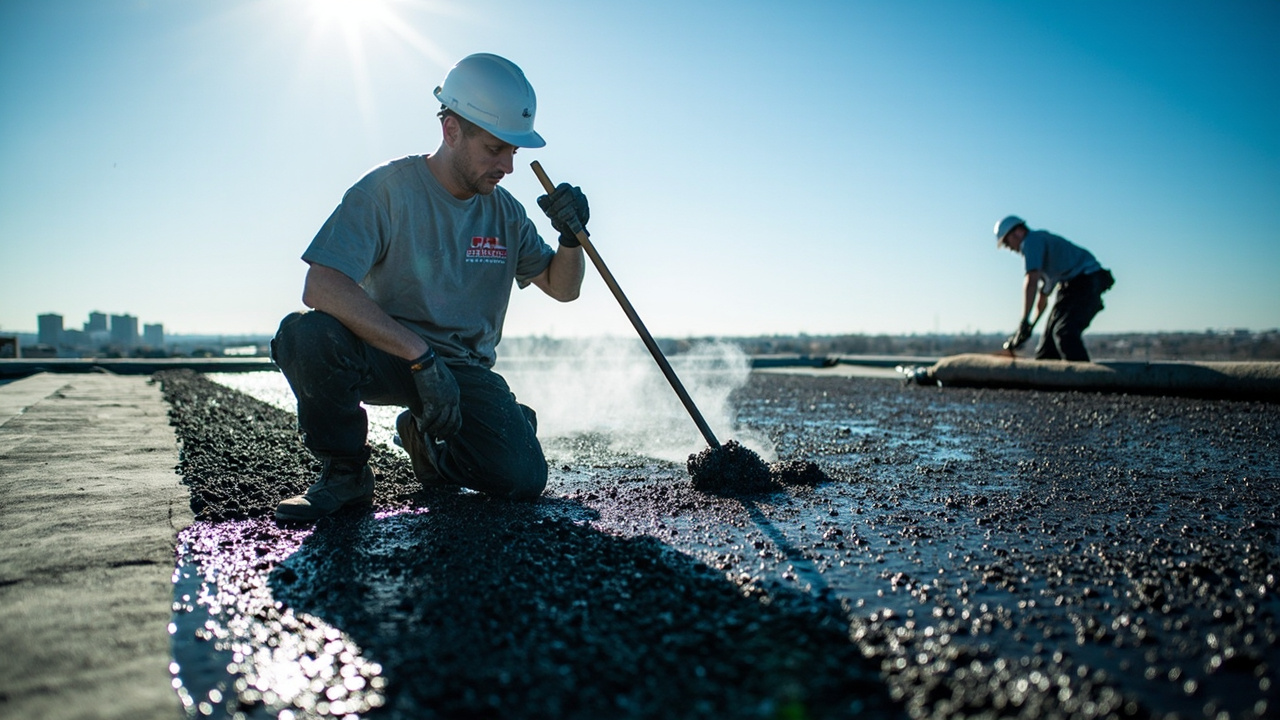
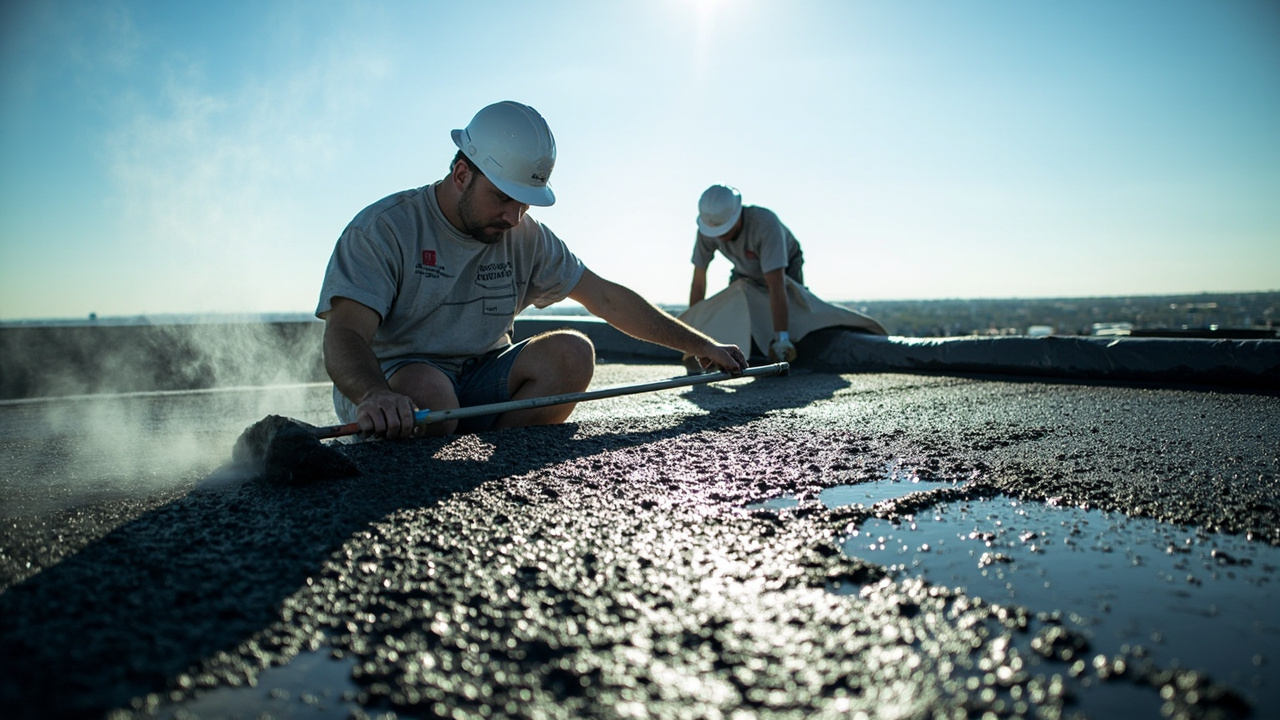
Base sheet goes down first, mechanically fastened or fully adhered depending on deck type. Each subsequent ply gets mopped with hot bitumen at 400 to 450 degrees, then rolled in place with overlapping seams staggered to prevent water migration. Metal flashing and cant strips install as the plies progress upward to parapet walls. Edge metal secures the perimeter against wind uplift.
03

Surface Coating and Inspection

The final flood coat of bitumen gets applied hot, then surfaced with gravel embedment or cap sheet depending on specification. All penetrations receive pitch pockets or boot flashings. We conduct a water test on completed sections before demobilizing equipment. You receive documentation showing ply thickness measurements and bitumen application rates that meet manufacturer standards for warranty activation.

Why St. Louis Facility Managers Choose Pioneer Roofing for BUR Projects

Commercial roofing is not residential work scaled up. You need a contractor who understands the operational consequences of roof failure. A warehouse leak does not just damage inventory. It triggers business interruption claims, customer delivery failures, and potential OSHA citations if water creates slip hazards.

Pioneer Roofing St. Louis has installed built-up roofing systems on manufacturing facilities, cold storage warehouses, and retail centers across the metro. We know the St. Louis building code requirements for roof drains and scupper sizing. We understand how the region's clay soil movement affects structural loading and roof deck deflection. This is local knowledge that out-of-state contractors cannot replicate.

Our crews maintain Missouri trade certifications and OSHA 30-hour construction safety cards. Job sites get barricaded to prevent unauthorized access. We coordinate material deliveries to avoid blocking loading docks during your peak operating hours. Kettle placement and hot work permits get secured before we light burners.

We also provide maintenance programs after installation. Built-up roofing requires periodic inspection and minor repairs to achieve its full service life. Our techs check flashing details, clear drains, and patch blisters before they become leaks. This proactive approach prevents emergency callouts that disrupt operations.

St. Louis experiences weather extremes that test roofing systems. You need a contractor who will still answer the phone in year ten when a storm blows gravel off the surface or a rooftop unit vibrates loose a flashing detail. We are not a fly-by-night crew chasing insurance claims. We are a local business with a reputation to protect.

What to Expect from Your Built-Up Roofing Project

Project Timeline and Staging

Expect two to four weeks from tear-off to completion for a 20,000 square foot roof, weather permitting. Larger facilities get phased to keep portions of the building operational. We schedule noisy work like tear-off during your off-shift hours when possible. Material deliveries arrive just-in-time to minimize staging area requirements. Hot work activities pause during high wind conditions that create fire risk. You receive a daily progress report showing completed sections and any schedule adjustments needed.

Pre-Installation Assessment Process

Our estimator conducts a roof core analysis to determine existing assembly composition and insulation condition. We pull building permits to verify the original roof specification and any subsequent modifications. Infrared scanning identifies trapped moisture in the existing system. You receive a written report showing deck condition, drainage adequacy, and recommended ply count based on your facility's use and budget parameters. This assessment takes three to five business days and includes material samples for your approval.

Quality Control and Final Deliverable

Each day's work gets photographed showing ply installation and bitumen application rates. We maintain kettle temperature logs that document proper material heating. The completed roof undergoes flood testing at drains and scuppers to verify positive drainage. You receive as-built drawings showing all penetration locations and flashing details. Material certifications prove the bitumen and felts meet ASTM specifications. This documentation package activates your manufacturer warranty and provides the compliance records your insurance carrier requires.

Maintenance and Long-Term Performance

Built-up roofing requires semiannual inspections to maximize service life. We check flashing terminations, clear debris from drains, and identify blisters or splits before they leak. Minor repairs involve cutting out the damaged section and installing a patch with overlapping plies. Gravel surfaces need periodic re-coating as UV exposure degrades the flood coat. We provide maintenance contracts that include two inspections per year plus emergency response for storm damage. These scheduled touchpoints catch small problems before they become capital expenses.

Frequently Asked Questions

You Have Questions,
We Have Answers

What does built-up roofing mean? +

Built-up roofing is a multi-layer commercial roofing system that alternates layers of bitumen (asphalt or coal tar) with reinforcing fabrics called ply sheets. This method creates a continuous, waterproof membrane. The system typically includes a base sheet, multiple interply sheets, and a final surfacing layer of gravel or cap sheet. Built-up roofing works well for flat or low-slope commercial buildings in St. Louis because it handles ponding water and extreme temperature swings. The redundant layers provide durability and leak protection. Contractors install it using hot asphalt application or cold adhesives depending on project requirements and building codes.

What is another name for built up roofing? +

Built-up roofing goes by several names in the commercial roofing industry. The most common alternate name is BUR. You may also hear it called tar and gravel roofing, especially when the surface includes an aggregate layer. Some contractors refer to it as a composition roof because it combines multiple materials. Older specifications might list it as asphalt built-up roofing or coal tar built-up roofing, depending on the bitumen type. All these terms describe the same multi-ply system. In St. Louis, most commercial contractors simply call it BUR when writing estimates or discussing roof replacements for warehouses and office buildings.

How long does built-up roofing last? +

A properly installed built-up roof lasts 15 to 30 years depending on materials, installation quality, and maintenance. Gravel-surfaced systems typically outlast smooth-surface versions because the aggregate protects the membrane from UV degradation and physical damage. St. Louis weather patterns, including freeze-thaw cycles and summer heat, affect longevity. Regular inspections catch minor issues before they become failures. Coal tar systems often last longer than asphalt systems but are less common today. Commercial properties that schedule bi-annual maintenance and address ponding water extend roof life significantly. Proper drainage design matters more than any other factor for reaching the 30-year mark.

What is a typical built up roof assembly? +

A typical built-up roof assembly starts with a structural deck, usually concrete or metal. Next comes rigid insulation boards to meet energy code requirements. A base sheet attaches to the insulation using mechanical fasteners or adhesive. Then contractors apply two to four interply sheets, embedding each in hot bitumen or cold adhesive. Each ply overlaps the previous layer. The final component is a surfacing layer, either mineral cap sheet or hot-applied bitumen topped with gravel. St. Louis building codes require specific R-values for insulation depending on building type. Some assemblies include a vapor retarder below the insulation to prevent moisture accumulation in the system.

What does built-up roofing look like? +

Built-up roofing has a distinctive appearance you can spot from ground level. Most commercial installations feature a smooth, dark surface covered with light-colored gravel or stone aggregate. The gravel protects the waterproofing layers underneath and reflects heat. Some systems use a mineral-surfaced cap sheet instead, which looks like rolled roofing with granules. Without gravel, built-up roofs appear black or dark brown. You may notice slight ripples or texture from the overlapping plies. Older installations sometimes show gravel displacement patterns or bare spots where aggregate has shifted. The uniform, monolithic look differs from the seamed appearance of single-ply membranes common on newer buildings.

Can you repair a built-up roof? +

Yes, you can repair a built-up roof using several methods depending on damage extent. Small blisters and cracks receive localized patches with compatible bitumen and fabric reinforcement. Larger failures may need tear-off of affected sections down to sound layers, then rebuilding with new plies. Ponding areas often require tapered insulation to improve drainage before patching. St. Louis contractors evaluate the remaining membrane thickness before recommending repairs versus replacement. Surface repairs like re-graveling or coating application extend life when the underlying plies remain intact. Commercial properties should address repairs promptly because water infiltration spreads laterally between layers, creating hidden damage that complicates future fixes.

How many layers is a built-up roof? +

A built-up roof typically contains three to five layers, not counting the insulation and decking. The base layer establishes the foundation. Most commercial specifications call for three or four plies total, including the base sheet and cap sheet. Each additional ply increases redundancy and lifespan but also adds weight and cost. St. Louis commercial projects often use four-ply systems for warehouses and distribution centers where durability justifies the investment. Lighter three-ply assemblies work for office buildings with shorter ownership horizons. The number of plies affects fire ratings and wind uplift resistance. Building codes set minimum requirements, but property owners can specify additional plies for enhanced performance.

What are the three types of roofing? +

Commercial roofing breaks into three main categories based on installation method and materials. Built-up roofing uses multiple bitumen and fabric layers. Single-ply membrane systems like TPO, EPDM, or PVC come in large sheets that workers seam together. Modified bitumen combines characteristics of both, using torch-applied or self-adhering rolls with polymer-enhanced asphalt. Each type suits different building designs and budgets. St. Louis commercial properties use all three types depending on roof slope, building use, and performance requirements. Metal roofing represents a fourth category gaining traction for certain applications. Selecting the right system requires analyzing drainage, structural capacity, and long-term maintenance capabilities.

Is a built-up roof the same as a membrane? +

A built-up roof is a type of membrane, but differs from single-ply membrane systems. Both create continuous waterproof barriers, but built-up roofing achieves this through multiple hot-applied or cold-adhered layers. Single-ply membranes like TPO or EPDM use one sheet with seamed joints. Built-up roofing offers redundancy because leaks must penetrate several plies before reaching the building interior. Single-ply systems install faster but lack this backup protection. The term membrane describes the waterproofing function both systems provide. Commercial projects in St. Louis choose between them based on budget, roof slope, and building occupancy. Neither system is universally superior for all applications.

How much should an asphalt roof on a 500 sq ft house cost? +

This question mismatches system and building type. Built-up roofing applies to commercial flat or low-slope roofs, not residential steep-slope houses. A 500 square foot residential structure would use asphalt shingles, not built-up roofing. Cost discussions require project specifics including roof slope, access, material selection, and tear-off requirements. Commercial built-up roofing pricing depends on ply count, insulation thickness, and surfacing choice. St. Louis contractors estimate based on square footage, building height, and code compliance needs. For accurate commercial roofing costs, request detailed proposals that itemize materials, labor, and warranty options. Avoid comparing residential shingle costs to commercial membrane systems because they serve different purposes.

How St. Louis Freeze-Thaw Cycles Impact BUR System Performance

St. Louis sits in a climate transition zone where winter temperatures swing from single digits to 50 degrees within 48 hours. This freeze-thaw cycling stresses single-ply membranes that expand and contract with temperature changes. Built-up roofing handles this better because the mass and layered construction dampens thermal movement. The bitumen stays pliable enough to accommodate deck expansion without tearing. Gravel ballast adds thermal mass that reduces surface temperature swings by 30 degrees compared to exposed membranes. This stability prevents the fatigue cracking that shortens roof life in other systems.

The St. Louis building code requires specific wind uplift ratings based on your building height and exposure category. Multi-ply roofing systems achieve these ratings through aggregate weight and full bitumen adhesion between plies. Local inspectors understand BUR construction and know what details to check during rough-in inspections. Pioneer Roofing maintains relationships with city and county building departments across the metro. We pull permits, schedule inspections, and handle the compliance documentation so your project stays on schedule without administrative delays or failed inspections.
Roofing Services in The St. Louis Area

Pioneer Roofing is proud to serve the entire St. Louis metropolitan area and surrounding communities. Our local presence means we are always nearby and ready to respond quickly to your roofing needs, whether you are located in the heart of St. Louis or the greater county. View our location and service radius on the map to confirm we cover your neighborhood and then call us to schedule your service!

Address:
Pioneer Roofing St. Louis, 1031 Lami St, St. Louis, MO, 63104

Additional Services We Offer

Our news updates

Latest Articles & News from The Blogs

How to Estimate the Remaining Life of Your Roof Without Climbing a Ladder Standing on your roof can be dangerous…

How to Estimate the Remaining Life of Your Roof Without Climbing a Ladder

How to Estimate the Remaining Life of Your Roof Without Climbing a Ladder Standing on your roof can be dangerous…

The Essential Spring Roof Checklist for Every Homeowner in Clayton and Ladue

The Essential Spring Roof Checklist for Every Homeowner in Clayton and Ladue Spring in St. Louis means rapid temperature swings…

Why the Steep Rooflines of Lemay Ranch Homes Need Extra Attention During Storm Season

Why the Steep Rooflines of Lemay Ranch Homes Need Extra Attention During Storm Season \n\n Lemay’s mid-century ranch homes with…

Contact Us

Call Pioneer Roofing St. Louis at (314) 417-7774 for a roof assessment and project estimate. We provide detailed specifications showing ply count, material grades, and installation methods before you commit. Protect your business with roofing that performs when it matters.