

menu

Commercial Roof Inspection Reports in St. Louis – Minimize Downtime with Data-Driven Roof Assessments

Get actionable commercial roof inspection reports that identify liability risks, extend asset life, and support capital planning for property managers and facility directors across the St. Louis metro.

Slider Image 1
Slider Image 2
Slider Image 3
Slider Image 4
Slider Image 5
Slider Image 7
Slider Image 8
Slider Image 9
Slider Image 10
Slider Image 11

Why St. Louis Building Owners Need Regular Roof Condition Reports

Commercial buildings in St. Louis face aggressive weathering. The Gateway City sits in a transition zone where freeze-thaw cycles hit 40 to 50 times per winter. That constant expansion and contraction tears apart membrane seams, flashing details, and penetration boots. Add July heat indexes pushing 110 degrees, and your roof is cycling between brittle and baked every year.

You cannot manage what you do not measure. Without a commercial roofing assessment report, you are flying blind. Most catastrophic leaks start as small problems that go undetected for months. Water infiltrates behind parapet walls, migrates laterally through insulation layers, and shows up three bays away from the actual breach. By the time you see ceiling stains, you are looking at structural damage and business interruption.

Commercial roof evaluation reports give you a baseline. They document current conditions, flag code violations, and establish a timeline for capital expenditures. If you are managing a portfolio in Clayton, the Central West End, or the South Broadway corridor, you need documentation that stands up to lender audits and insurance underwriting reviews. Commercial roofing audit reports are not optional maintenance. They are risk management tools that prevent six-figure emergency repairs and protect tenant relationships when lease renewals come up.

St. Louis's clay soil shifts during wet springs. That movement stresses rigid parapet connections and HVAC curb mounts. A commercial roof survey report catches these stress fractures before they become penetration failures.

Why St. Louis Building Owners Need Regular Roof Condition Reports
What a Professional Commercial Roof Condition Report Includes

What a Professional Commercial Roof Condition Report Includes

A legitimate commercial roofing assessment report is forensic-level documentation. We are not walking your roof with a clipboard and a camera phone. Pioneer Roofing St. Louis uses thermal imaging to detect trapped moisture in insulation layers, core sampling to verify deck integrity, and pull tests on membrane adhesion. Every drainage point gets flow-tested. Every penetration gets examined for sealant degradation.

The report includes roof area calculations, membrane type and age, slope analysis, and a condition rating for each roof section. We document flashing details at parapets, scuppers, and equipment curbs. We identify code compliance gaps, especially for buildings that predate the 2018 International Building Code adoption in St. Louis County. If your building has a green roof or cool roof coating, we verify performance against original specifications.

You receive a prioritized action plan. Category One items are failures requiring immediate repair to prevent interior damage. Category Two items are deficiencies that will fail within 12 months. Category Three items are observations for your five-year capital plan. Every deficiency includes a photo reference, GPS location, and cost impact analysis.

We generate commercial roof condition reports that satisfy lender requirements for refinancing, meet due diligence standards for property acquisitions, and support capital reserve studies for condominium associations. The documentation integrates with facility management software and provides baseline data for tracking roof performance over time. This is not a sales document. It is an engineering analysis that tells you exactly what you own and what it will cost to maintain it.

How We Deliver Your Roof Assessment

Commercial Roof Inspection Reports in St. Louis – Minimize Downtime with Data-Driven Roof Assessments
01

Site Access Coordination

We schedule the inspection around your operations. For multi-tenant properties, we coordinate with property management to ensure rooftop access without disrupting business activity. Our team confirms utility clearances, reviews site-specific safety requirements, and verifies that all equipment shutdowns are scheduled. We work within your maintenance windows and provide advance notice to all stakeholders. No surprises, no interference with tenant operations.
02

Field Data Collection

Our inspectors document every roof section using infrared thermography, moisture meters, and core samples where needed. We photograph all deficiencies, test drainage flow rates, and measure ponding water depths. Each penetration, flashing detail, and expansion joint gets cataloged. We pull membrane samples for lab analysis if age or composition is uncertain. The field work typically takes four to six hours for a 50,000-square-foot roof, depending on equipment density and access challenges.
03

Report Delivery and Review

You receive the commercial roof inspection report within five business days. We deliver both a PDF executive summary and a detailed technical appendix with all photo documentation and test results. We schedule a review meeting to walk through findings, explain repair priorities, and answer questions about budget planning. The report includes cost estimates for each recommended action, allowing you to stage repairs based on cash flow and operational priorities. You get a document that works for CFOs, facility managers, and insurance adjusters.

Why St. Louis Property Managers Choose Pioneer Roofing

We know the building stock in St. Louis. The industrial conversions in the Warehouse District have built-up tar and gravel roofs from the 1960s. The medical office buildings along Clayton Road have modified bitumen systems installed during the 1990s boom. The distribution centers in Earth City run single-ply TPO and PVC membranes designed for high-traffic maintenance access. Each system ages differently under St. Louis weather, and each requires specific inspection protocols.

Pioneer Roofing St. Louis maintains relationships with the major commercial insurance carriers operating in the region. We understand what underwriters need to see in a commercial roofing audit report when you are up for renewal. We know which documentation satisfies Freddie Mac and Fannie Mae requirements for multifamily refinancing. Our reports have been used in litigation support, helping property owners recover damages from defective installation or material failures.

We also understand St. Louis building codes. The City of St. Louis and St. Louis County operate under different amendments to the International Building Code. Wind uplift requirements vary depending on whether your building is in a high-risk zone near the Mississippi River or inland near Creve Coeur. Parapet height requirements changed after the 2011 tornado season. If you are dealing with a historic building in Soulard or Lafayette Square, we know how to balance preservation standards with modern waterproofing performance.

You are not getting a one-size-fits-all template. Every commercial roof evaluation report we produce is specific to your asset, your risk tolerance, and your capital planning timeline.

What You Get from a Commercial Roof Inspection Report

Fast Turnaround Time

Most property acquisitions close within 30 to 45 days. You cannot afford to wait three weeks for a roof report. We schedule inspections within 72 hours of your call and deliver the commercial roofing assessment report within five business days. For portfolio transactions involving multiple properties, we can mobilize crews to inspect up to 10 buildings simultaneously across the St. Louis metro. If you are under contract and need expedited service, we prioritize inspections that impact closing timelines. Speed does not mean shortcuts. You get the same forensic analysis and documentation quality, just delivered on a compressed schedule that respects your transaction deadlines.

Thorough Field Investigation

Our inspectors spend the time required to understand your roof system. We do not rely on visual observation alone. Infrared scans identify wet insulation that looks dry from the surface. Core samples confirm deck composition and insulation type when building records are incomplete. We test drainage by running water through scuppers and checking for backflow at interior drains. Every HVAC curb, exhaust fan, and rooftop access hatch gets inspected for proper flashing and sealant integrity. If your building has a green roof or photovoltaic array, we evaluate the waterproofing membrane underneath and confirm that mounting systems have not compromised roof integrity. You get a complete picture of what is happening above the ceiling.

Actionable Findings and Cost Data

The commercial roof condition report you receive is usable by your entire team. Facility managers get repair specifications they can use for contractor bidding. CFOs get cost estimates that feed into capital budgets and reserve studies. Insurance adjusters get the documentation they need to process claims for storm damage or material failures. Every deficiency is categorized by urgency and linked to a cost impact. You know exactly what needs to happen this year, what can wait until next budget cycle, and what belongs in your five-year capital plan. The report format integrates with asset management software platforms like Yardi and MRI, making it easy to track roof performance over time and schedule follow-up inspections.

Ongoing Support and Consultation

The relationship does not end when we deliver the report. You can call us six months later to discuss repair sequencing or get a second opinion on contractor proposals. If you need updated cost estimates because material prices have changed, we provide revised numbers at no charge. When it is time to execute repairs, we can act as the owner's representative during construction, verifying that contractors follow the specifications outlined in the commercial roofing audit report. For portfolio clients managing multiple properties, we provide annual re-inspection services that track roof degradation over time and help you allocate capital maintenance budgets across your holdings. You are working with a partner who understands that roof management is a long-term process.

Frequently Asked Questions

You Have Questions,
We Have Answers

How St. Louis Freeze-Thaw Cycles Accelerate Roof Deterioration

St. Louis sits at the boundary between humid subtropical and humid continental climate zones. Winter temperatures swing from 15 degrees at night to 45 degrees by afternoon. Water trapped in membrane seams freezes, expands, and reopens the seam when it thaws. This happens 40 to 50 times each winter. By the time your roof is five years old, those cycles have stressed every connection point, flashing detail, and penetration boot. Commercial roof survey reports catch this cumulative damage before it becomes a leak. Buildings in University City, Maplewood, and Webster Groves with north-facing roof sections show accelerated deterioration because those surfaces stay frozen longer and experience more extreme temperature swings. You need documentation that accounts for microclimate effects and exposure-specific aging rates.

Pioneer Roofing St. Louis has been inspecting commercial roofs in the metro area since the business community along the I-64 corridor began expanding in the early 2000s. We have baseline data on how specific membrane types perform under local conditions. We know which manufacturers' products hold up to St. Louis weather and which ones fail prematurely. Our commercial roof evaluation reports reference local performance history, not generic service-life tables from product literature. That local knowledge matters when you are deciding whether to repair or replace. We also maintain working relationships with commercial insurance adjusters, lenders, and engineering firms operating in St. Louis, which means our reports carry credibility when you need third-party validation for budgeting or claims purposes.
Roofing Services in The St. Louis Area

Pioneer Roofing is proud to serve the entire St. Louis metropolitan area and surrounding communities. Our local presence means we are always nearby and ready to respond quickly to your roofing needs, whether you are located in the heart of St. Louis or the greater county. View our location and service radius on the map to confirm we cover your neighborhood and then call us to schedule your service!

Address:
Pioneer Roofing St. Louis, 1031 Lami St, St. Louis, MO, 63104

Additional Services We Offer

Our news updates

Latest Articles & News from The Blogs

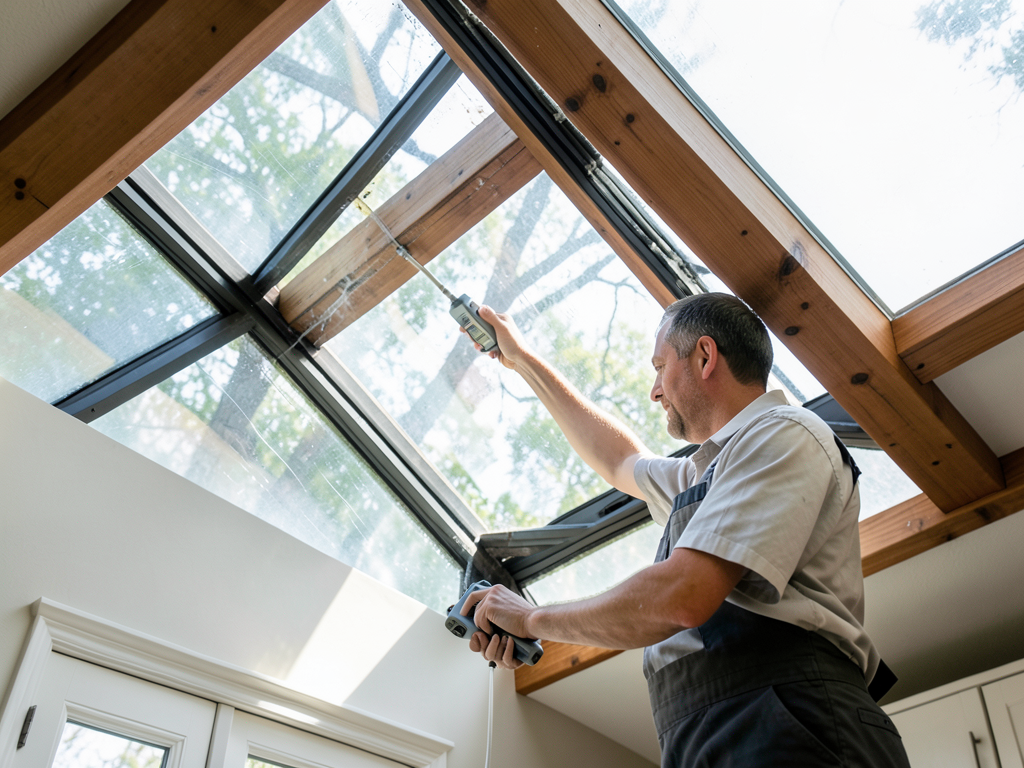
How to Tell if Your Wildwood Skylight is Leaking or Just Dealing with Condensation Water dripping from your Wildwood skylight…

How to Tell if Your Wildwood Skylight is Leaking or Just Dealing with Condensation

How to Tell if Your Wildwood Skylight is Leaking or Just Dealing with Condensation Water dripping from your Wildwood skylight…

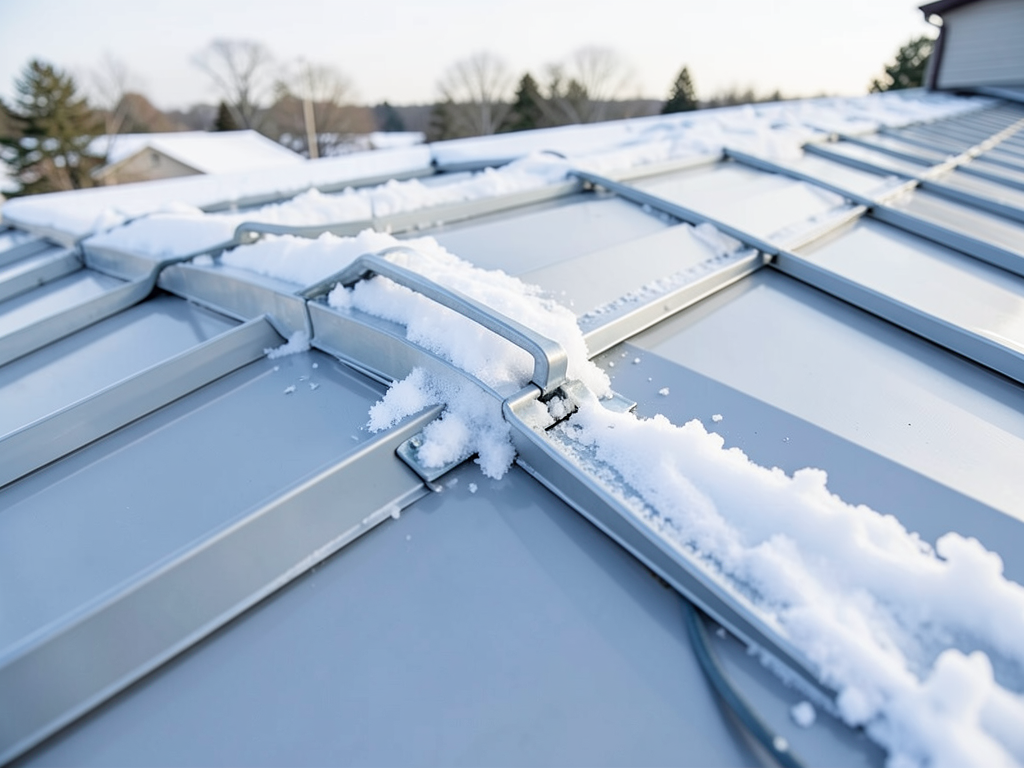
Why Your Eureka Metal Roof Needs Snow Guards Before the Next Big Freeze

Why Your Eureka Metal Roof Needs Snow Guards Before the Next Big Freeze When snow slides off a metal roof…

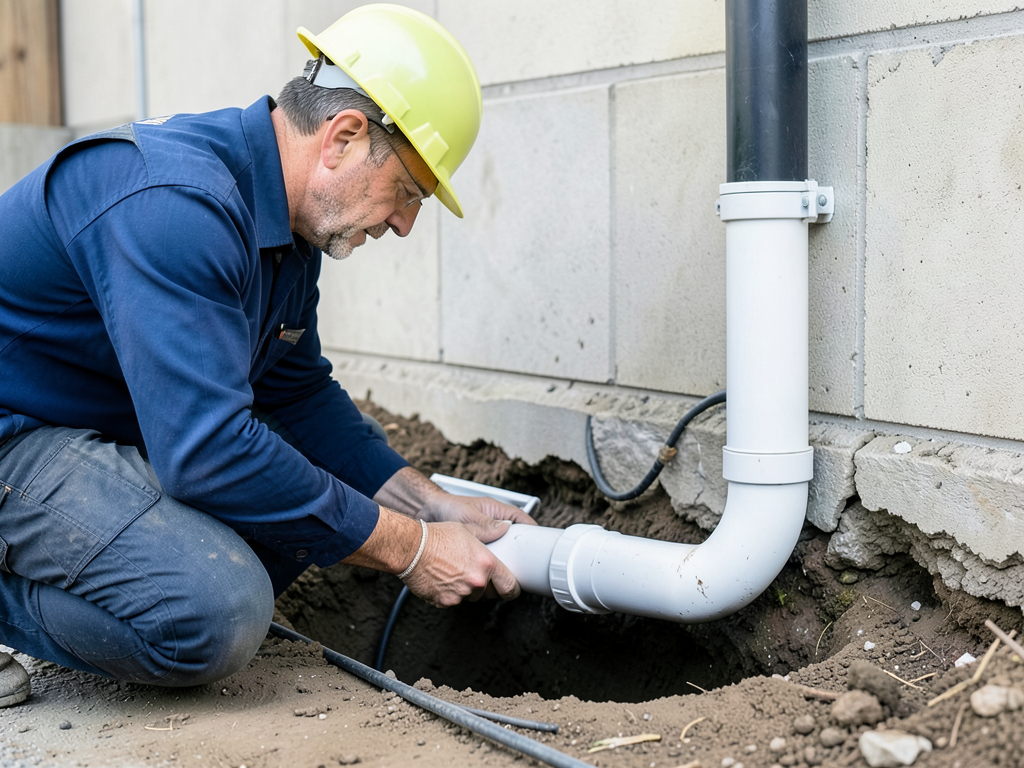
Connecting Your Gutters to Underground Drains to Prevent Basement Flooding in The Hill

Connecting Your Gutters to Underground Drains to Prevent Basement Flooding in The Hill Heavy rains in St. Louis overwhelm standard…

Contact Us

Get the documentation you need for capital planning, insurance renewals, or property transactions. Call (314) 417-7774 to schedule your commercial roof assessment. We deliver actionable reports within five business days.