menu

Storm Damage Roof Repair in St. Louis – 24/7 Emergency Response and Same-Day Tarping

When severe weather hits your property, our emergency roofing contractors arrive fast to secure damaged roofs, prevent interior water intrusion, and work directly with your insurance adjuster for storm damage roof repair across St. Louis.

Slider Image 1
Slider Image 2
Slider Image 3
Slider Image 4
Slider Image 5
Slider Image 7
Slider Image 8
Slider Image 9
Slider Image 10
Slider Image 11

When Severe Weather Exposes Your St. Louis Roof to the Elements

St. Louis sits in a high-risk zone for severe thunderstorms, straight-line winds, and tornadoes. Between March and June, the region experiences frequent hail events and wind gusts exceeding 70 mph. These storms tear off shingles, punch holes through decking, and strip flashing from valleys and chimneys. When you see missing shingles or water staining on your ceiling after a storm, the clock starts ticking. Every hour of exposure allows rain to soak through underlayment, saturate insulation, and drip into your living spaces.

The humid continental climate means moisture does not evaporate quickly. Water trapped in your attic or wall cavities creates mold growth within 48 hours. Your immediate priority is stopping additional water from entering the structure. Emergency roof repair begins with damage assessment and temporary waterproofing. Storm damage roofing services include emergency tarping, debris removal, and documentation for insurance claims. You need a contractor who understands the urgency and can mobilize the same day you call.

The combination of Missouri's variable weather patterns and aging roof systems makes storm damage roof repair a time-sensitive issue. Waiting for a convenient appointment time turns a repairable leak into structural rot, mold remediation, and interior reconstruction. Your roof protects everything beneath it. When that barrier fails, you need emergency roofing contractors who treat your property like their own.

When Severe Weather Exposes Your St. Louis Roof to the Elements
How We Stop Further Damage and Restore Your Roof's Integrity

How We Stop Further Damage and Restore Your Roof's Integrity

Our storm damage restoration protocol begins with a complete exterior and attic inspection. We document every impact point, missing shingle, damaged flashing piece, and compromised penetration. This documentation becomes the foundation for your insurance claim. We photograph hail strikes on metal vents, measure wind uplift damage on ridge caps, and identify granule loss patterns that indicate age versus storm impact.

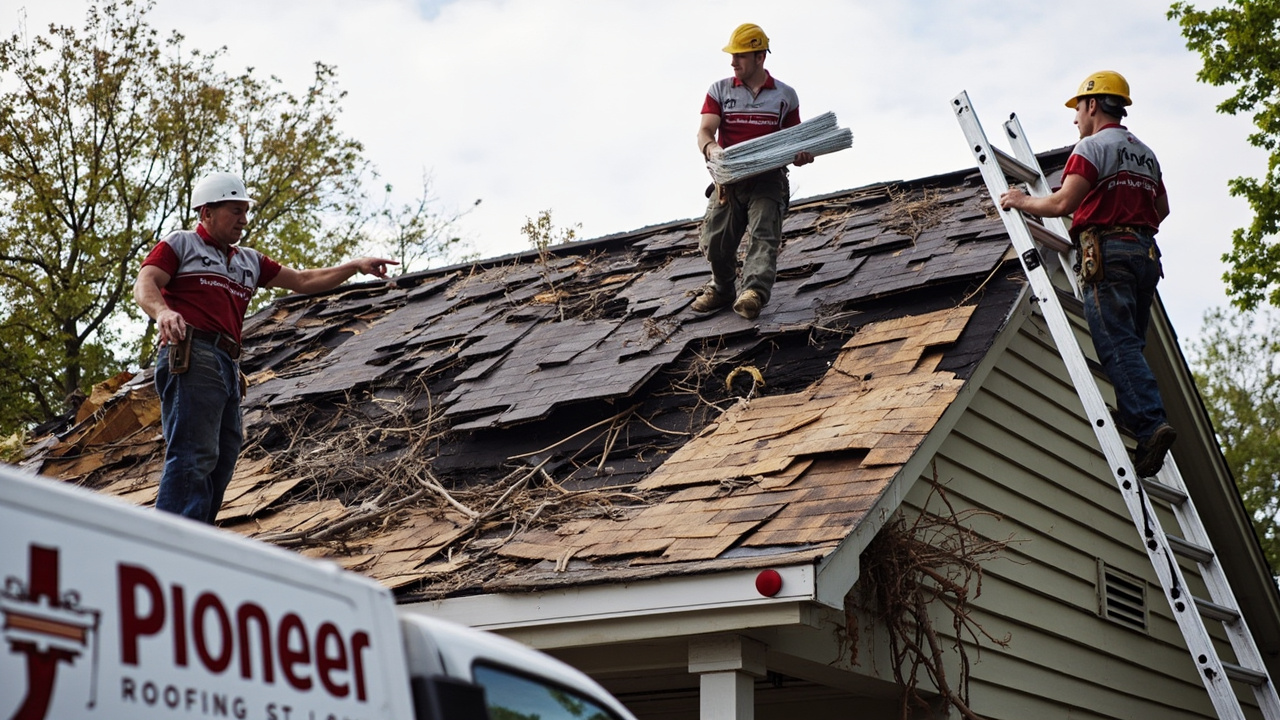
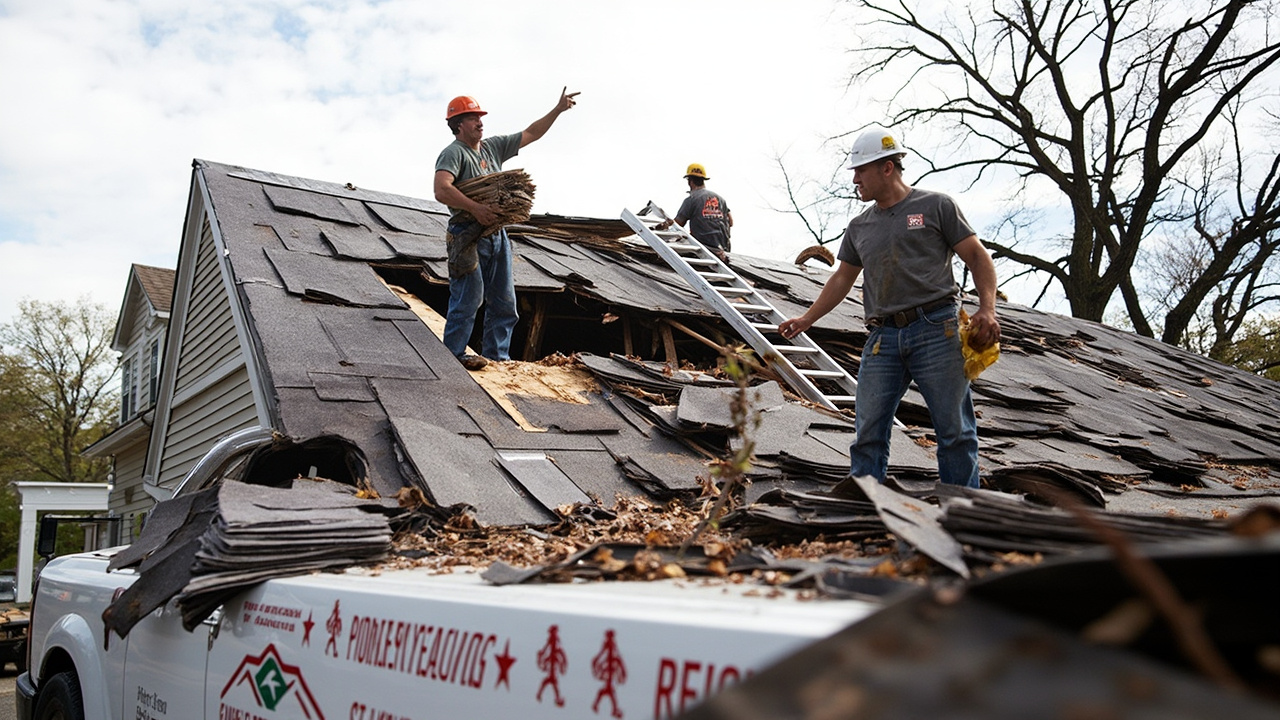
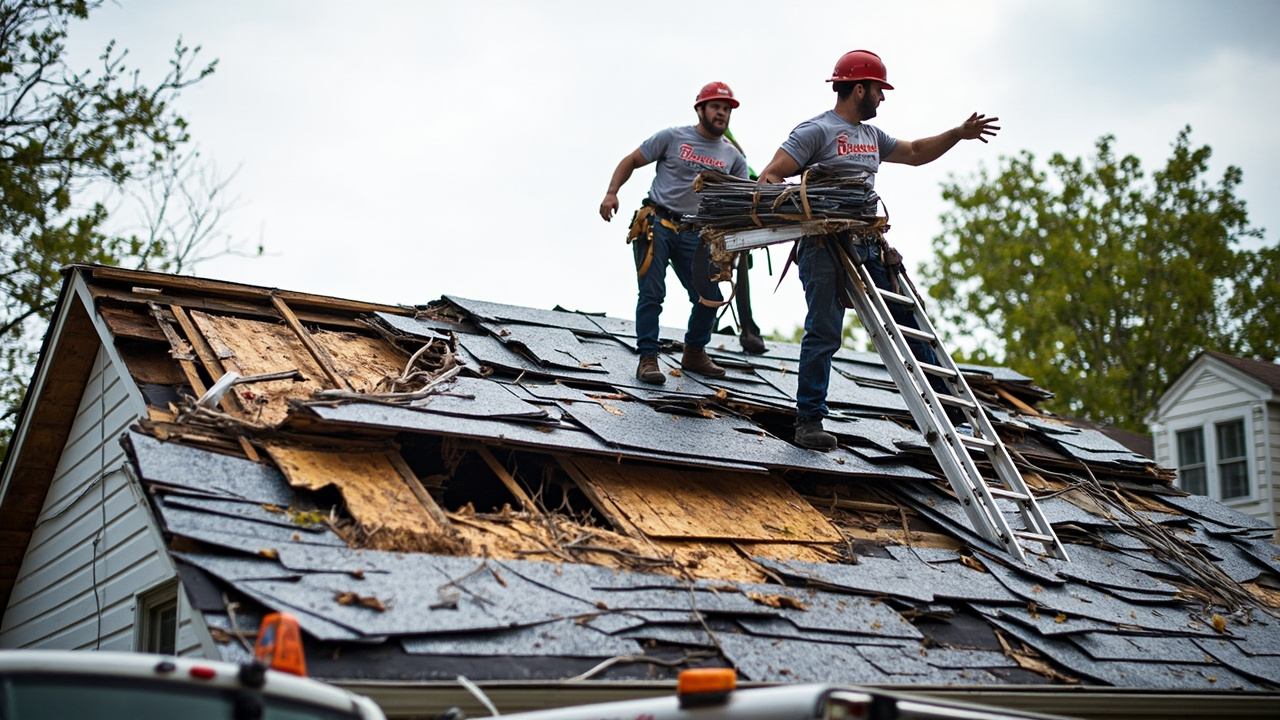
Once we map the damage, we deploy waterproof tarping to cover exposed sections. We use heavy-duty polyethylene sheeting anchored with battens screwed directly into solid decking, not just weighted with sandbags. This prevents wind from getting under the tarp and creating additional uplift. We secure valleys, ridges, and eaves first because these areas channel the most water.

After the emergency tarping stops immediate water intrusion, we begin permanent repairs. This involves removing damaged shingles back to undamaged material, inspecting the underlayment and decking for saturation or rot, and replacing compromised sections. We match your existing shingle color and architectural profile. For homes with discontinued shingle lines, we source the closest available match or discuss re-roofing options if the damage is widespread.

Our approach to roof storm damage restoration includes flashing replacement at all penetrations, step flashing renewal on sidewalls, and valley metal installation where appropriate. We do not patch over old materials. Every repair receives the same attention to detail as a full roof installation because improper repairs void manufacturer warranties and create future leak points.

What Happens When You Call for Storm Damage Roof Repair

Storm Damage Roof Repair in St. Louis – 24/7 Emergency Response and Same-Day Tarping
01

Emergency Dispatch and Tarping

We answer emergency calls 24/7 and dispatch crews within hours, not days. Our first priority is stopping additional water from entering your home. We arrive with tarps, fasteners, and safety equipment to secure the damaged area immediately. You receive photos of the temporary protection and an initial damage assessment before we leave your property. This quick response prevents thousands in additional interior damage.
02

Comprehensive Damage Documentation

Within 24 hours, we return for a detailed inspection using drones and attic access to map every damaged component. We measure hail strike diameters, document wind damage patterns, and identify code compliance issues if your roof is older. This report includes photos, measurements, and material specifications your insurance adjuster needs. We can meet with your adjuster on-site to ensure nothing gets missed in their assessment.
03

Permanent Repair and Restoration

Once your claim is approved, we schedule the permanent fix storm damaged roof work. We remove tarps, tear off damaged materials, replace saturated decking, install new underlayment, and apply matching shingles. All work meets or exceeds St. Louis building codes and manufacturer installation requirements. You receive a detailed invoice for your records and final walkthrough to confirm the repair matches your expectations and insurance scope.

Why St. Louis Property Owners Choose Pioneer Roofing for Storm Emergencies

When your roof is compromised, you need a contractor who knows St. Louis weather patterns, building codes, and insurance procedures. Pioneer Roofing St. Louis has restored hundreds of storm-damaged roofs across the metro area, from historic South City bungalows to modern West County subdivisions. We understand the specific challenges of repairing roofs on homes with varying ages, architectural styles, and existing condition issues.

Our crews are familiar with St. Louis County and City building permit requirements for roof repairs exceeding specific square footage thresholds. We handle the permit application process and ensure inspections are scheduled promptly so your project does not stall. This local knowledge prevents delays that leave your home exposed longer than necessary.

We also navigate insurance claims with precision. Many storm damage claims get underpaid because adjusters miss secondary damage like compromised decking, damaged gutters, or blown-off ridge vents. We provide detailed estimates that account for every damaged component and meet with adjusters to advocate for full coverage. Our documentation has helped countless homeowners receive the settlement they deserve rather than a bare-minimum payout.

You will work with the same project manager from emergency tarping through final repair. We do not hand you off between departments or subcontract the work to unknown crews. Our team responds to your calls, shows up when scheduled, and treats your property with respect. We also provide transparent pricing with no surprise charges after the fact. You know what the repair will cost before we begin permanent work.

What to Expect During Your Storm Damage Roof Repair

Rapid Emergency Response Time

We dispatch emergency crews within hours of your call, not the next business day. Our 24/7 availability means you get help when you need it most, whether the storm hits at 3 PM on Tuesday or 11 PM on Saturday. We arrive with tarping materials and safety equipment to secure your roof immediately. Same-day tarping prevents interior damage from escalating while we arrange the full repair. You receive a callback within 30 minutes and a crew arrival estimate so you can plan accordingly.

Thorough Damage Assessment and Documentation

Our inspection process includes exterior drone photography, attic access to check for leaks and insulation damage, and close-up documentation of every compromised component. We measure hail impact sizes, photograph missing shingles with GPS coordinates, and identify pre-existing wear versus storm damage. This level of detail ensures your insurance claim accurately reflects the scope of damage. We provide you with a full written report and high-resolution images you can submit directly to your carrier or adjuster.

Quality Materials and Workmanship

We use manufacturer-approved materials that match or exceed the quality of your existing roof system. Shingles are sorted by bundle to ensure consistent color, and we hand-seal every shingle in high-wind zones per code requirements. Decking replacement uses CDX plywood or OSB rated for structural loads, not economy-grade sheathing. Underlayment is synthetic or rubberized where code requires enhanced protection. You receive a roof that will perform for decades, not just pass inspection. Our work meets all manufacturer installation standards required to maintain product warranties.

Post-Repair Support and Maintenance

After we complete your storm damage roof repair, you receive a detailed invoice with photos of the finished work. We walk the property with you to review the repairs and answer any questions about maintenance or future inspections. If additional storms occur during the first year, we return to inspect the repaired area at no charge to confirm the work is holding up as expected. We also provide guidance on gutter maintenance, attic ventilation improvements, and shingle lifespan so you can plan for the future.

Frequently Asked Questions

You Have Questions,
We Have Answers

How much does insurance cover for roof damage? +

Most homeowners insurance policies cover the full cost of storm damage repairs minus your deductible. This includes wind damage, hail impacts, and fallen tree limbs. Insurance typically covers materials, labor, and related costs like temporary tarping or debris removal. However, coverage depends on your policy limits and whether your roof qualifies as a covered peril. Pre-existing wear or deferred maintenance often reduces payouts. In St. Louis, where severe thunderstorms and hail are common, document damage immediately. An experienced contractor can help you navigate the claims process and ensure you receive fair compensation for legitimate storm damage.

How much should it cost to fix a roof? +

Roof repair costs in St. Louis vary based on damage extent, roofing material, and accessibility. Minor repairs like replacing shingles or fixing flashing run lower, while extensive storm damage requiring structural work costs more. Metal roofing repairs differ from asphalt shingle fixes. Your roof pitch, height, and architectural complexity also affect labor costs. St. Louis homes with Historic District requirements may need specialized materials. Get three written estimates from licensed contractors. Avoid lowball bids that cut corners. Most insurance adjusters understand regional pricing, so legitimate repairs should align with your coverage. Focus on quality work that prevents future leaks.

What is considered storm damage to a roof? +

Storm damage includes missing or cracked shingles from wind, dime-sized or larger hail dents, granule loss exposing asphalt, torn flashing, damaged vents, and punctures from fallen branches. Look for dented gutters, cracked soffits, or bruised downspouts as secondary indicators. In St. Louis, high winds during spring and summer thunderstorms commonly lift shingle edges and break seals. Hail creates circular bruising patterns visible from the ground. Ice dams from winter freeze-thaw cycles cause water backup and leaks. Not all damage is visible from below. Schedule a professional inspection after severe weather to document issues before they worsen.

Is it worth claiming roof damage on insurance? +

Yes, if storm damage compromises your roof's integrity. Filing protects your home from water intrusion, mold growth, and structural decay. Minor cosmetic damage may not justify a claim if repair costs barely exceed your deductible. However, hidden damage often worsens over time. St. Louis humidity accelerates rot and mold in compromised roofs. Consider your deductible amount, current premiums, and potential rate increases. Document everything with photos and contractor estimates before deciding. If damage is significant or affects multiple roof sections, claim it. Delaying repairs for minor savings often leads to major expenses later. Your policy exists for these situations.

How long after a storm can you claim roof damage? +

File your claim as soon as possible after storm damage occurs. Most insurance policies require prompt notification, typically within one year, but some carriers impose shorter deadlines. In St. Louis, where severe weather strikes seasonally, document damage immediately after hail or windstorms. Take photos, note the storm date, and contact your insurer within days. Delayed claims raise red flags with adjusters who question whether damage resulted from the reported storm or gradual wear. Tarping or emergency repairs are acceptable and often required to prevent further damage. Save all receipts. Fast action strengthens your claim and prevents secondary damage.

What not to say to a roof insurance adjuster? +

Never admit fault, speculate about damage age, or say your roof was already worn. Avoid phrases like "I think it happened months ago" or "it probably needed replacement anyway." Do not exaggerate damage or mention unrelated issues. Stay factual. Provide storm dates, describe what you observed, and let inspection findings speak. Do not accept a lowball settlement on the spot without contractor review. In St. Louis, where adjusters handle high claim volumes after regional storms, they scrutinize inconsistencies. Let your contractor communicate technical details. Answer questions directly but do not volunteer information that undermines your legitimate claim.

What is the most expensive part of replacing a roof? +

Labor represents the largest expense in roof replacement, often exceeding material costs. Tear-off and disposal of old roofing, deck repairs for damaged sheathing, and installation labor drive total costs. Premium materials like architectural shingles, metal panels, or slate increase expenses. In St. Louis, complex roof designs with multiple valleys, dormers, or steep pitches require more labor hours and specialized safety equipment. Flashing replacement around chimneys and vents adds cost. Deck sheathing replacement due to water damage from delayed storm repairs significantly increases your bill. Quality underlayment and ventilation systems also factor in. Emergency repairs cost more than scheduled work.

What time of year is the cheapest to replace a roof? +

Late fall and winter offer lower roofing costs in St. Louis when demand drops and contractors offer competitive pricing. However, emergency storm repairs cannot wait for seasonal discounts. Cold weather installation has limitations. Shingle sealant activates slower in freezing temperatures, and workers face safety risks on icy surfaces. Spring and summer bring severe weather and peak demand, raising prices. If your roof suffered storm damage, prioritize immediate repair over cost savings. Water intrusion during St. Louis humidity causes mold and rot quickly. Schedule non-urgent replacements in October or November for better rates while weather remains workable.

Is roof replacement tax deductible? +

Roof replacement is tax deductible only for rental properties or home offices meeting strict IRS criteria. Your primary residence roof is considered a capital improvement, not a deductible repair. You can add the cost to your home's basis, potentially reducing capital gains taxes when you sell. If storm damage occurs, insurance reimbursements are not taxable income. However, if you receive a settlement exceeding actual repair costs, consult a tax professional. St. Louis homeowners cannot deduct standard roof repairs on personal returns. Business owners with commercial properties can depreciate roof replacement over time. Keep all receipts and contractor invoices for documentation.

What documentation do I need for a roof damage claim? +

Gather photos of visible damage from multiple angles, storm date and weather reports, your insurance policy declaration page, contractor inspection reports, and written repair estimates. Document interior water stains or ceiling damage. Save receipts for emergency tarping or temporary repairs. In St. Louis, where severe thunderstorms are tracked by local news, timestamp your photos immediately after storms. Take ground-level and close-up images of missing shingles, dents, or debris impacts. Include photos of undamaged areas for comparison. Create a timeline showing when you discovered damage and contacted your insurer. Comprehensive documentation strengthens your claim and speeds adjuster approval.

How St. Louis's Tornado Alley Location Makes Emergency Roof Repair Critical

St. Louis sits at the convergence of warm Gulf moisture and cold Canadian air masses, creating volatile spring and summer weather. The region experiences an average of 35 severe thunderstorm days per year, with peak activity from April through June. These storms produce hail larger than golf balls, straight-line winds exceeding hurricane force, and occasional tornadoes. Homes in counties like St. Charles, Jefferson, and Franklin see repeated hail impacts that degrade shingle integrity over time. When a severe storm finally breaches your roof, the existing wear accelerates the damage. You need emergency roofing contractors who understand how cumulative hail impacts affect repair scope and insurance coverage.

Local building codes require specific wind-rating standards for shingle installations, and insurance carriers increasingly demand documentation of code-compliant repairs before approving claims. Contractors unfamiliar with St. Louis requirements may install materials that void your coverage or fail inspection. Pioneer Roofing St. Louis stays current with City and County code updates, permit thresholds, and manufacturer requirements. We also maintain relationships with local material suppliers, which means we can source matching shingles quickly even for older or discontinued product lines common in established neighborhoods like Webster Groves or Kirkwood.
Roofing Services in The St. Louis Area

Pioneer Roofing is proud to serve the entire St. Louis metropolitan area and surrounding communities. Our local presence means we are always nearby and ready to respond quickly to your roofing needs, whether you are located in the heart of St. Louis or the greater county. View our location and service radius on the map to confirm we cover your neighborhood and then call us to schedule your service!

Address:
Pioneer Roofing St. Louis, 1031 Lami St, St. Louis, MO, 63104

Additional Services We Offer

Our news updates

Latest Articles & News from The Blogs

Can You Actually Install a New Roof Over Your Old Shingles? Roofing a home in St. Louis comes with unique…

Can You Actually Install a New Roof Over Your Old Shingles?

Can You Actually Install a New Roof Over Your Old Shingles? Roofing a home in St. Louis comes with unique…

Why Your Neighbors in Manchester are Choosing Impact Rated Materials

Why Your Neighbors in Manchester are Choosing Impact Rated Materials Living in Manchester means dealing with the unpredictable St. Louis…

Preparing Your Roof for the Sudden Shifts of St. Louis Weather Patterns

Preparing Your Roof for the Sudden Shifts of St. Louis Weather Patterns Your roof faces more than just rain and…

Contact Us

Your roof will not repair itself, and every hour of exposure causes more damage. Call Pioneer Roofing St. Louis now at (314) 417-7774 for immediate dispatch and same-day tarping. We answer 24/7 and arrive ready to stop the water.