menu

Emergency Flat Roof Patching in St. Louis – 24/7 Response Stops Leaks Before They Destroy Your Building

When water is pouring through your flat roof, every minute counts. Our emergency flat roof patching crews dispatch immediately across the St. Louis metro to stop active leaks, prevent interior damage, and protect your property until permanent repairs can be completed.

Slider Image 1
Slider Image 2
Slider Image 3
Slider Image 4
Slider Image 5
Slider Image 7
Slider Image 8
Slider Image 9
Slider Image 10
Slider Image 11

Why St. Louis Flat Roofs Fail Without Warning

You walked into your building this morning and found water dripping from the ceiling. Your flat roof was fine yesterday. Now you are standing in a puddle, watching the damage spread.

St. Louis weather creates the perfect storm for flat roof failures. Summer thunderstorms dump inches of rain in minutes, overwhelming clogged drains and exposing weak spots in aging membranes. Winter freeze-thaw cycles crack seams and split modified bitumen. Spring hail punctures EPDM rubber like a nail through paper. The Mississippi River valley humidity keeps moisture trapped in roof layers, rotting decking from the inside out.

Flat roofs fail suddenly because problems hide beneath the surface. Ponding water from inadequate slope sits for weeks, breaking down adhesives and creating blisters. Thermal expansion and contraction in St. Louis's 100-degree temperature swings stress every seam and fastener. When the membrane finally gives way, you need an immediate flat roof leak fix before water destroys inventory, ruins electronics, or closes your business.

Waiting until morning is not an option. Water moves fast. It soaks insulation, stains ceilings, shorts electrical systems, and breeds mold in wall cavities. A small leak becomes a large insurance claim in hours.

You need same day flat roof repair that stops the water now and buys you time to plan the permanent solution. That means a 24/7 flat roof patching service with the materials, equipment, and experience to work in any weather, on any roof system, at any hour.

Why St. Louis Flat Roofs Fail Without Warning
How Emergency Flat Roof Patching Actually Works

How Emergency Flat Roof Patching Actually Works

Emergency flat roof repair is not a long-term fix. It is tactical damage control. The goal is simple: stop the water intrusion, protect the interior, and stabilize the roof until we can return with permanent materials and proper weather conditions.

When you call for urgent flat roof leak repair, we send a crew with a mobile patching kit: rolls of peel-and-stick membrane, mastic, lap sealant, roofing cement, and temporary flashing. We also bring tarps, fasteners, and ballast for situations where a patch will not hold.

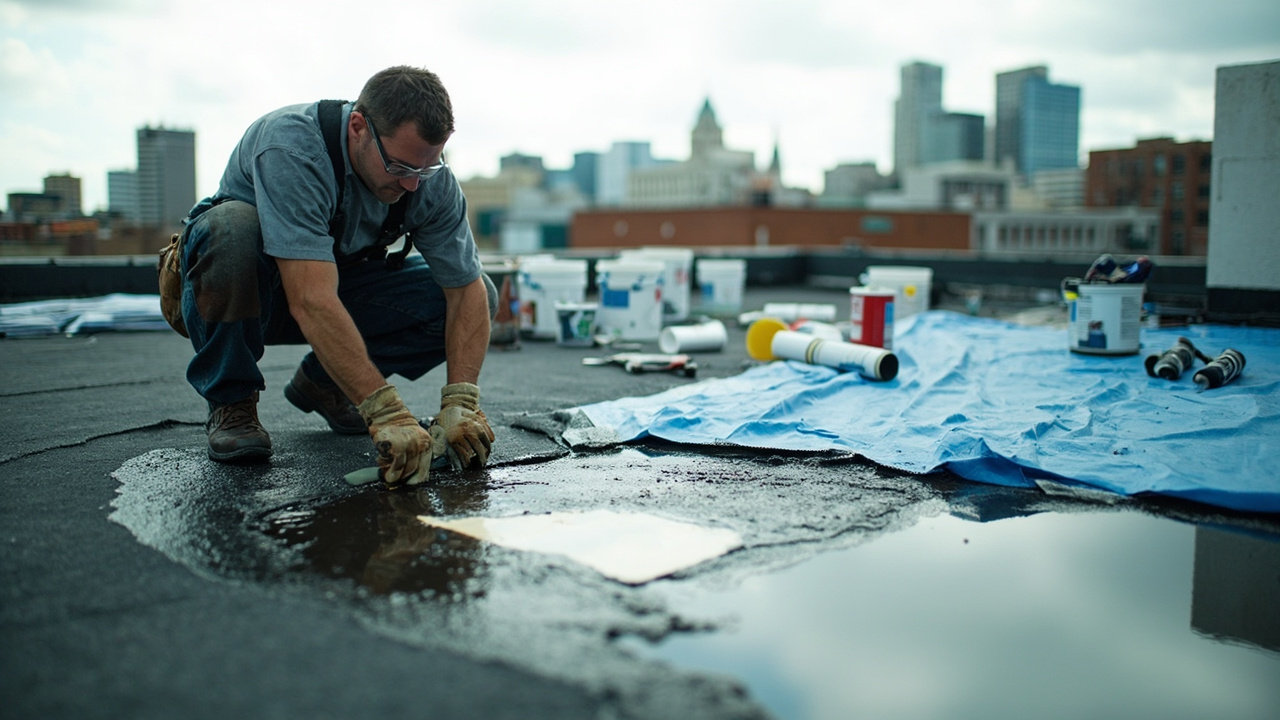
The first step is locating the failure point. Water does not always enter where it drips. We trace the leak back to the source by inspecting seams, penetrations, and low spots. On EPDM roofs, we look for splits in the membrane or failed tape seams. On TPO, we check heat-welded seams for delamination. On modified bitumen, we probe for blisters and punctures. On built-up tar roofs, we search for alligatored sections and open laps.

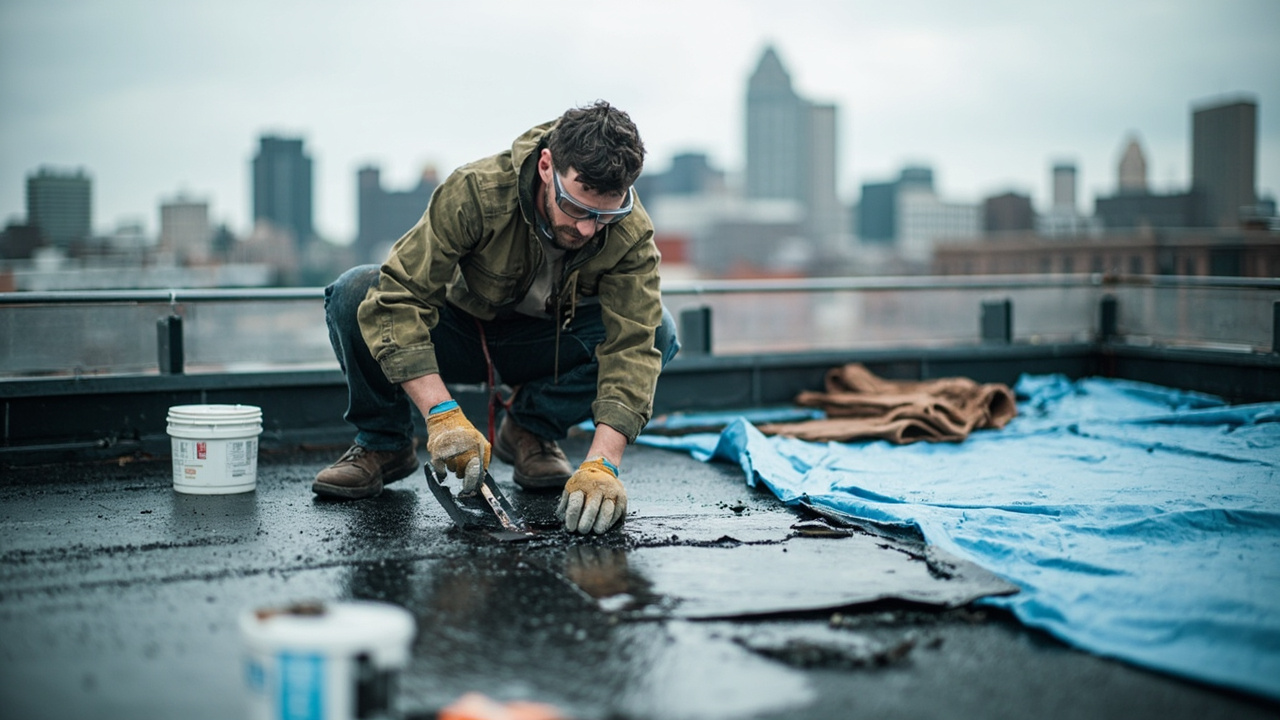
Once we identify the breach, we clean and dry the area as much as conditions allow. We apply a compatible patch material that bonds to the existing membrane. For punctures, we use a two-layer patch system with the bottom layer extending six inches beyond the damage and the top layer covering that by another six inches. For seam failures, we reactivate the adhesive or apply lap sealant under pressure. For large failures, we tarp and ballast until conditions improve.

We document everything with photos. You need records for insurance. We also note underlying issues like inadequate drainage, failing substrate, or end-of-life membranes that will require attention once the crisis passes.

What Happens When You Call for Emergency Patching

Emergency Flat Roof Patching in St. Louis – 24/7 Response Stops Leaks Before They Destroy Your Building
01

Immediate Dispatch and Assessment

You call our emergency line at (314) 417-7774, and we dispatch a crew immediately. We ask critical questions: Is water actively leaking? Where is the building located? What type of roof system? Can you access the roof safely? Our crew arrives with headlamps, safety equipment, and patching materials for all common flat roof membranes. We assess the damage, identify the leak source, and determine whether a patch will hold or if temporary tarping is required.
02

Rapid Leak Containment

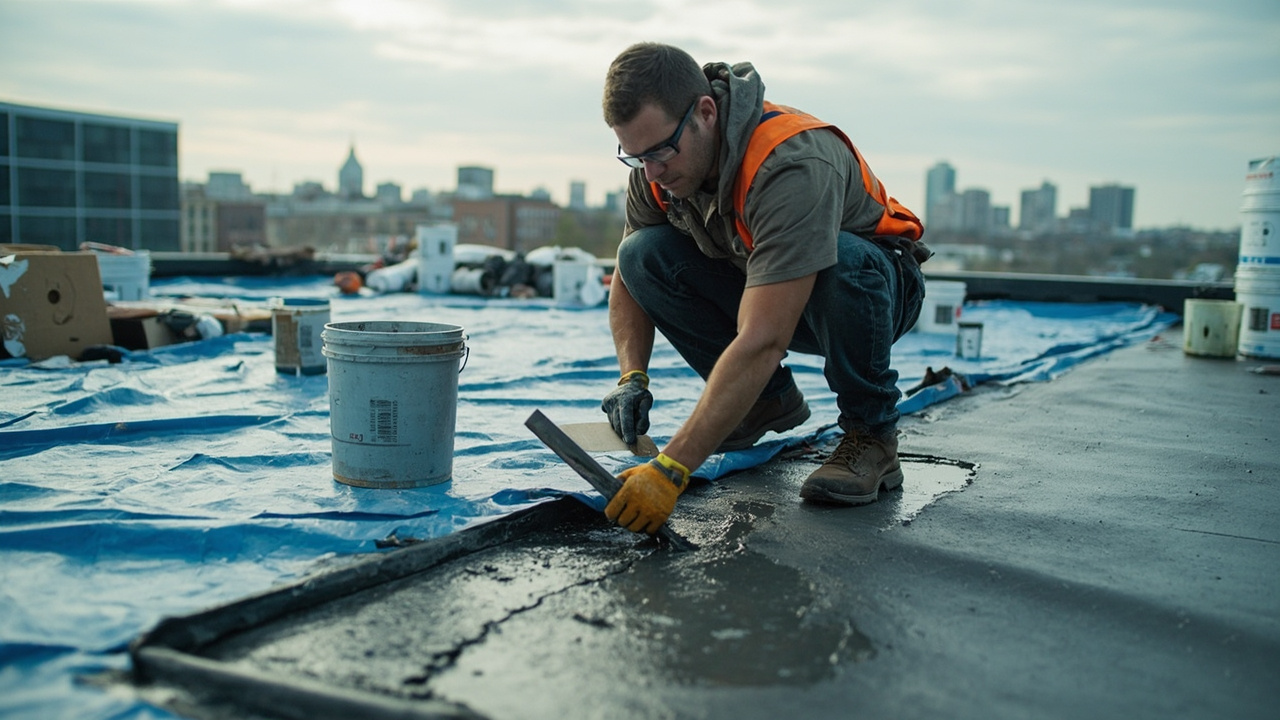
We stop the water intrusion using the fastest effective method for your roof type. On EPDM, we apply peel-and-stick patches or tape seams with primer. On TPO, we heat-weld patches or use compatible adhesive-backed material. On modified bitumen, we torch small patches or apply cold adhesive depending on conditions. On built-up roofs, we trowel roofing cement and embed fabric. If the damage is too extensive or weather prevents adhesion, we install reinforced tarps with sandbags or screw-down battens.
03

Documentation and Next Steps

We photograph the damage, the repair, and any underlying issues. You receive a written report within 24 hours detailing what failed, what we did, and what permanent repairs are needed. We provide this documentation to your insurance adjuster if required. We also schedule a follow-up inspection to assess whether the temporary patch is holding and to plan the permanent repair. Emergency patching buys time, but it does not replace proper roof restoration or replacement when the system has reached end of life.

Why St. Louis Property Owners Call Pioneer Roofing for Emergency Patching

When water is pouring through your roof at 2 a.m., you cannot afford to call someone who does not answer or does not stock the right materials. You need a crew that knows flat roofing systems, carries commercial-grade patching supplies, and understands St. Louis building stock.

Pioneer Roofing St. Louis keeps emergency response vehicles stocked with materials for every flat roof type common in this region: EPDM rubber, TPO, PVC, modified bitumen, built-up tar and gravel, and spray polyurethane foam. We know the roof systems on St. Louis's historic brick warehouses in Soulard, the standing seam metal on Midtown lofts, and the torch-down modified bitumen on South City commercial strips. We patch roofs on three-flat apartment buildings in the Hill, industrial facilities near the riverfront, and retail centers in Clayton.

We also understand St. Louis building codes and inspection requirements. Emergency repairs on commercial buildings often require permits and inspections, especially if the damage affects structural decking or fire-rated assemblies. We coordinate with the City of St. Louis Building Division and St. Louis County Department of Public Works to keep your building compliant and your occupancy permit intact.

Our crews work in all weather conditions. We have patched roofs during thunderstorms, in freezing rain, and in 95-degree heat. We know which materials bond in wet conditions and which require dry substrates. We carry both hot-applied and cold-applied patching systems so we can adapt to the situation.

You also get honest assessment. If your roof is too far gone for patching, we tell you. We do not waste your money on a temporary fix that will fail in a week. We explain your options, help you understand insurance coverage, and guide you through the decision between emergency patching and full replacement.

What to Expect During an Emergency Flat Roof Patching Call

Response Time and Availability

We answer emergency calls 24 hours a day, 365 days a year. When you call (314) 417-7774, you reach a dispatcher who immediately alerts the on-call crew. Response time depends on your location and current weather conditions, but we typically arrive within 60 to 90 minutes anywhere in the St. Louis metro. During severe weather events when multiple roofs fail simultaneously, response may take longer, but we prioritize active leaks causing interior damage. We stay on site until the leak is contained and your building is protected.

How We Assess the Damage

Our crew performs a rapid roof inspection to locate the failure point and determine the extent of damage. We check for obvious breaches, then trace water paths to find hidden leaks. We inspect drains, scuppers, and downspouts for blockages. We probe soft spots to detect saturated insulation. We examine seams, penetrations, and flashing details. We also assess interior damage to help you document losses for insurance. We take photos and measurements. This assessment takes 15 to 30 minutes depending on roof size and complexity. We explain what we find in plain language and recommend the best temporary solution.

The Quality of the Temporary Repair

Emergency patches are temporary, but they are not sloppy. We use professional-grade materials compatible with your existing roof system. Patches are applied according to manufacturer specifications, with proper overlap, adhesive coverage, and sealing. A well-executed emergency patch can last weeks or months, buying you time to plan and budget for permanent repairs. However, patches are not warrantied as long-term solutions. They are meant to stop immediate water intrusion and prevent further damage. We always follow up with a permanent repair plan, which may involve sectional replacement, coating, or full roof restoration depending on the system's condition.

Follow-Up and Permanent Repair Planning

After the emergency is contained, we schedule a daylight inspection to fully assess the roof and develop a permanent repair plan. We provide a written report with photos, cost estimates, and recommendations. If you are filing an insurance claim, we work with your adjuster to document the damage and scope the repairs. We explain the difference between patching, sectional replacement, roof coating, and full tear-off so you can make an informed decision. We also inspect for code compliance issues, drainage problems, and other factors that contributed to the failure. Our goal is to prevent the next emergency by addressing root causes, not just symptoms.

Frequently Asked Questions

You Have Questions,
We Have Answers

How to temporarily patch a flat roof? +

Clean the damaged area with a broom to remove debris and standing water. Cut a piece of roofing fabric or mesh large enough to cover the leak plus 6 inches on all sides. Apply roofing cement generously around the damaged area. Press the fabric into the wet cement and smooth out air bubbles. Cover the fabric with another thick layer of roofing cement, extending past the edges. This method works for St. Louis weather emergencies but is temporary. Call a professional within 24 hours because Missouri's freeze-thaw cycles will break down patches quickly.

How to temporarily cover a flat roof? +

Use a heavy-duty poly tarp, at least 6 mil thick. Sweep the roof clean and dry if possible. Lay the tarp over the damaged section, extending at least 4 feet past the leak on all sides. Secure edges with 2x4 lumber boards placed along the tarp perimeter. Use sandbags or water-filled buckets on the boards to hold them down. Never nail into a flat roof during an emergency. St. Louis wind gusts can lift tarps fast, so use adequate weight. This buys you time to schedule permanent repairs without risking further water damage.

How to repair a flat roof without replacing it? +

Many flat roofs in St. Louis can be restored without full replacement. Apply a liquid rubber coating system over cleaned surfaces to seal cracks and seams. Install patching membrane over blisters or punctures, embedding it in roofing cement. Reseal all flashing and penetrations with compatible sealant. For EPDM roofs common in the metro area, use EPDM-specific patches and primer. For modified bitumen roofs, heat-weld patches directly to the existing membrane. These repairs add years of life when done correctly and cost a fraction of replacement.

What is the best way to repair a leaking flat roof? +

First, locate the exact leak source. Water travels on flat roofs, so the interior stain may be feet away from the actual breach. Clean the area thoroughly and let it dry. For immediate emergency repairs, use a peel-and-stick roofing patch with rubberized backing. Press firmly to create a watertight seal. Apply roofing cement around all edges. For longer-lasting repairs, install a fabric-reinforced patch embedded in multiple layers of roofing cement. St. Louis humidity means proper drying is critical before patching, or you trap moisture that causes rot.

Can you use flex seal to fix a roof leak? +

Flex Seal can work as a temporary emergency fix for very small leaks, but it is not a professional solution. The product does not hold up under ponding water, which is common on St. Louis flat roofs after heavy rain. It also degrades quickly under UV exposure and temperature swings. Use it only if you need a 24-hour stopgap before a contractor arrives. For reliable repairs, use roofing-specific products like rubberized cement, EPDM patches, or liquid rubber coatings designed to withstand commercial roof conditions and Missouri weather extremes.

How can I temporarily cover a hole in my roof? +

Cut a piece of plywood or OSB board larger than the hole. From inside the attic or building, push the board up against the underside of the hole to block rain. Secure it temporarily with weights or bracing. On the roof surface, cover the hole with a heavy tarp weighted down with sandbags. Do not nail through the roof membrane. For small punctures, use a peel-and-stick patch or layer of roofing cement covered with fabric mesh. This protects your St. Louis property until professional repairs happen, usually within 48 hours for emergency calls.

Is rubber or felt better for a flat roof? +

Rubber roofing systems like EPDM or TPO outperform traditional felt for flat roofs in St. Louis. Rubber membranes resist ponding water, handle temperature swings from 10 degrees to 100 degrees without cracking, and last 20 to 30 years. Felt requires frequent maintenance and fails faster under moisture exposure common in this region. Rubber installs as a single seamless sheet with fewer leak points. For commercial buildings or residential flat roofs in the metro area, rubber provides better waterproofing and lower long-term costs than felt-based built-up roofing systems.

How much does insurance pay to tarp a roof? +

Insurance typically does not pay for tarping separately. Emergency tarping is considered part of damage mitigation, which most homeowner policies require you to perform immediately after a storm. Tarping costs usually get included in your overall claim if the damage is covered. Document everything with photos before and after tarping. Keep all receipts. Most St. Louis roofing contractors provide emergency tarping as part of the insurance claim process. Your deductible applies to the total repair cost, not the tarp alone. Call your adjuster within 24 hours to report damage.

How to tarp a leaking flat roof? +

Clear debris and standing water from the roof surface. Unroll a reinforced poly tarp large enough to cover the leak area plus 4 feet on all sides. Position the tarp so water flows over it, not under it. Place 2x4 boards around the perimeter to hold edges down. Weight the boards with sandbags or concrete blocks. Do not penetrate the roof membrane with fasteners. St. Louis wind and rain can shift tarps quickly, so check daily and add weight if needed. Schedule permanent repairs immediately because tarps fail within days.

How to quickly patch a roof? +

For emergency speed, use a peel-and-stick roofing patch. Clean the damaged area and let it dry completely. Peel the backing and press the patch firmly over the leak, extending several inches past the damage. Use a roller or your hands to eliminate air bubbles. Apply roofing cement around all edges for extra seal. This method works in 15 minutes and holds during rain. Keep in mind that St. Louis temperature swings affect adhesion, so patches applied in cold weather may need extra cement. Call a professional within 24 hours for permanent repair.

How St. Louis's Drainage Problems Turn Small Leaks Into Building Emergencies

St. Louis flat roofs fail faster than roofs in drier climates because our humidity keeps water trapped in the roof assembly. A small puncture or failed seam allows water into the insulation layer, where it spreads horizontally, saturating large areas before you see a drip inside. The flat terrain and clay soil common throughout St. Louis County also mean poor site drainage. Water backs up on roofs during heavy rain because downspouts discharge into saturated ground or undersized storm sewers. This creates ponding that accelerates membrane breakdown. Add summer humidity above 70 percent, and you have mold growth in saturated insulation within 48 hours. That is why same day flat roof repair is critical in this region. Delayed response turns a patchable leak into a full tear-off with mold remediation.

St. Louis building codes require specific drainage rates and materials for flat roofs, especially on commercial buildings. The City of St. Louis Building Division enforces the International Building Code with local amendments that address our climate and aging building stock. Emergency repairs on buildings in historic districts like Lafayette Square or Soulard require additional review to maintain architectural integrity. Hiring a local contractor who understands these requirements prevents permit delays and code violations. Pioneer Roofing St. Louis works with city inspectors regularly and knows how to document emergency repairs for compliance. We also understand the nuances of repairing roofs on historic masonry buildings where parapet walls and internal drainage systems require specialized flashing and sealing techniques.
Roofing Services in The St. Louis Area

Pioneer Roofing is proud to serve the entire St. Louis metropolitan area and surrounding communities. Our local presence means we are always nearby and ready to respond quickly to your roofing needs, whether you are located in the heart of St. Louis or the greater county. View our location and service radius on the map to confirm we cover your neighborhood and then call us to schedule your service!

Address:
Pioneer Roofing St. Louis, 1031 Lami St, St. Louis, MO, 63104

Additional Services We Offer

Our news updates

Latest Articles & News from The Blogs

How to Tell if Your Wildwood Skylight is Leaking or Just Dealing with Condensation Water dripping from your Wildwood skylight…

How to Tell if Your Wildwood Skylight is Leaking or Just Dealing with Condensation

How to Tell if Your Wildwood Skylight is Leaking or Just Dealing with Condensation Water dripping from your Wildwood skylight…

Why Your Eureka Metal Roof Needs Snow Guards Before the Next Big Freeze

Why Your Eureka Metal Roof Needs Snow Guards Before the Next Big Freeze When snow slides off a metal roof…

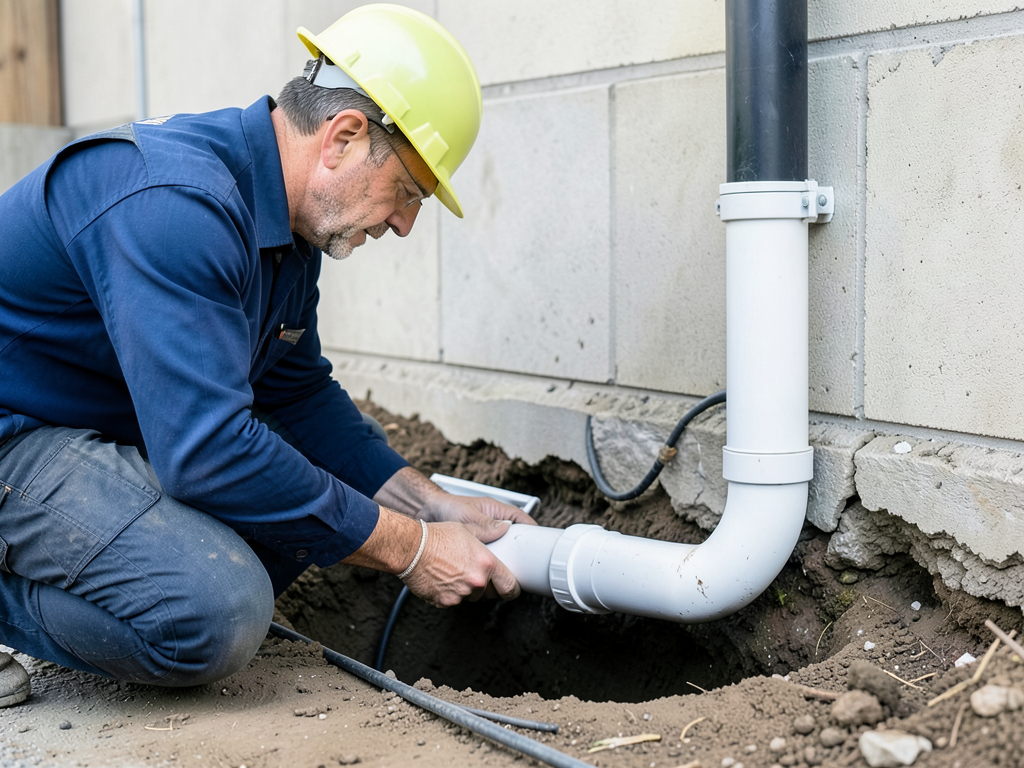
Connecting Your Gutters to Underground Drains to Prevent Basement Flooding in The Hill

Connecting Your Gutters to Underground Drains to Prevent Basement Flooding in The Hill Heavy rains in St. Louis overwhelm standard…

Contact Us

Water does not wait. Every minute increases the damage and the repair bill. Call Pioneer Roofing St. Louis now at (314) 417-7774 for immediate emergency flat roof patching. We dispatch 24/7 across the St. Louis metro to stop leaks, protect your building, and prevent catastrophic interior damage.