menu

Emergency Tree Impact & Structural Repair in St. Louis – 24/7 Response Within 2 Hours

When a tree crushes your roof, every minute counts. Pioneer Roofing St. Louis dispatches certified crews immediately to secure your property, prevent interior water damage, and restore structural integrity before Missouri weather causes secondary failures.

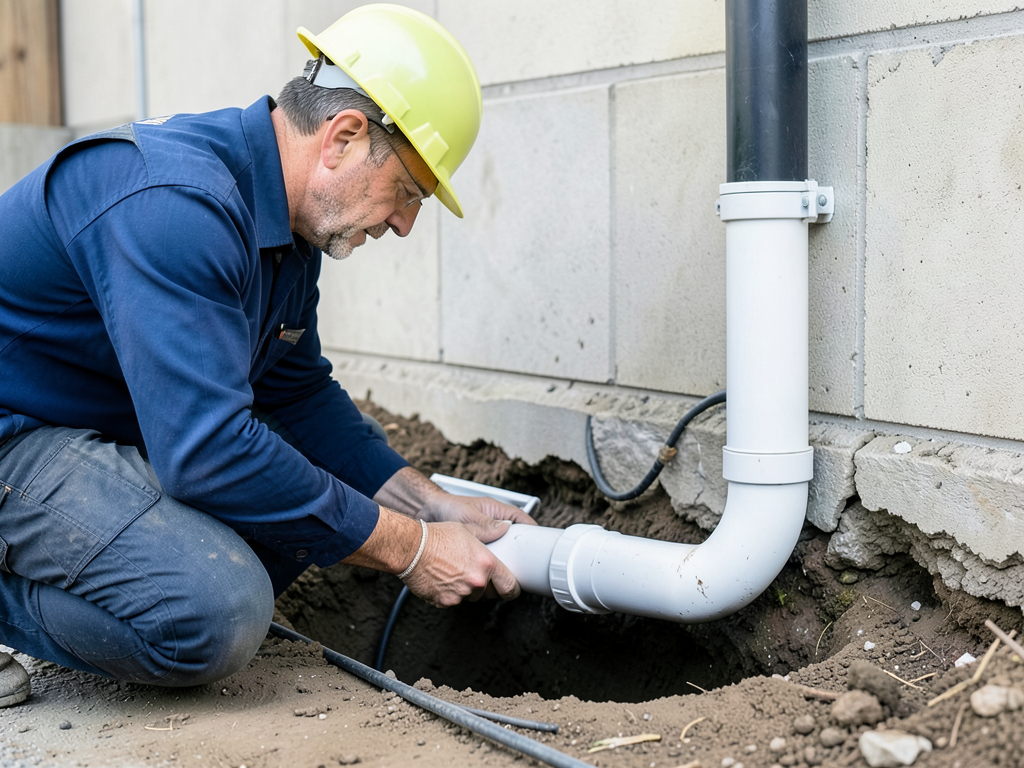
Slider Image 1
Slider Image 2
Slider Image 3
Slider Image 4
Slider Image 5
Slider Image 7
Slider Image 8
Slider Image 9
Slider Image 10
Slider Image 11

St. Louis Storm Damage Creates Structural Emergencies You Cannot Ignore

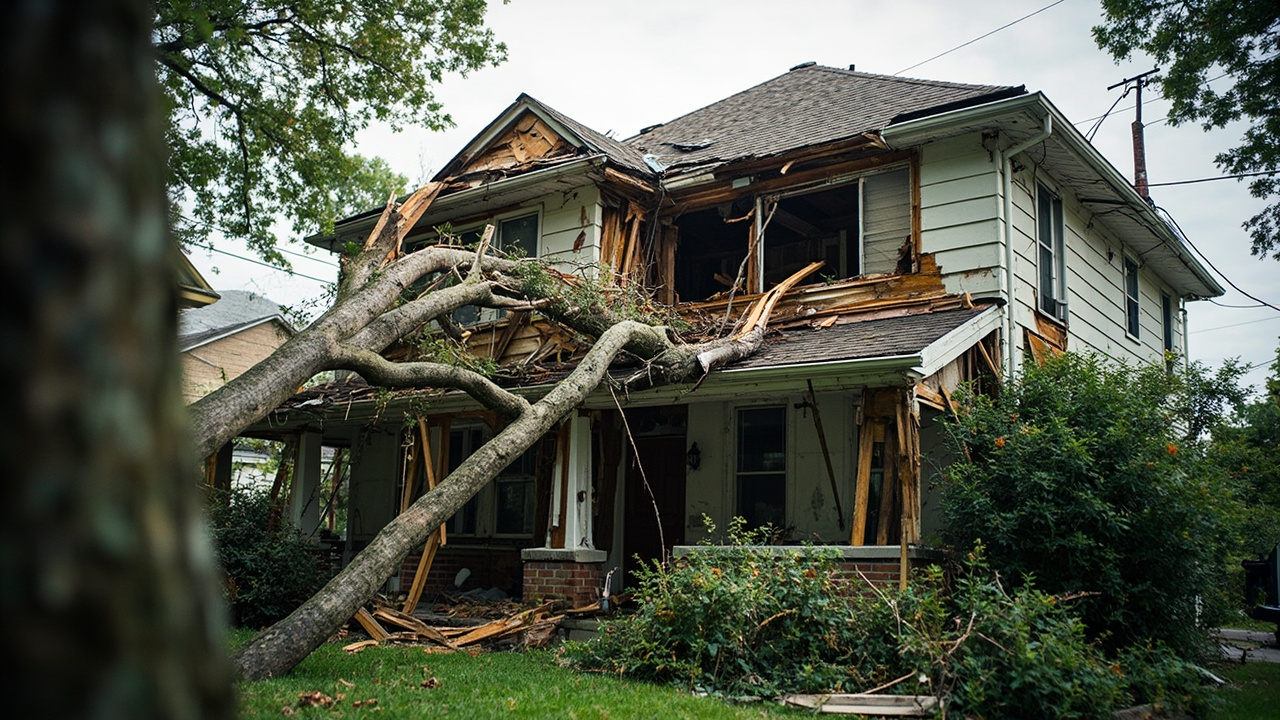
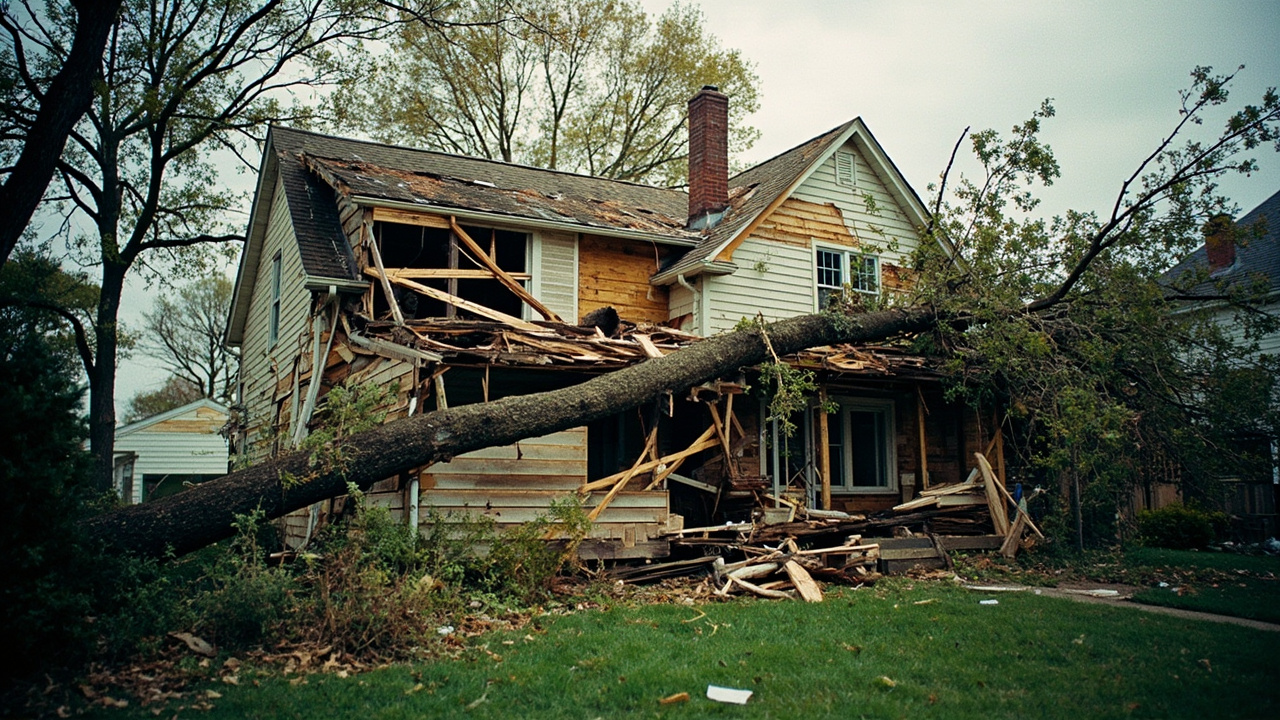
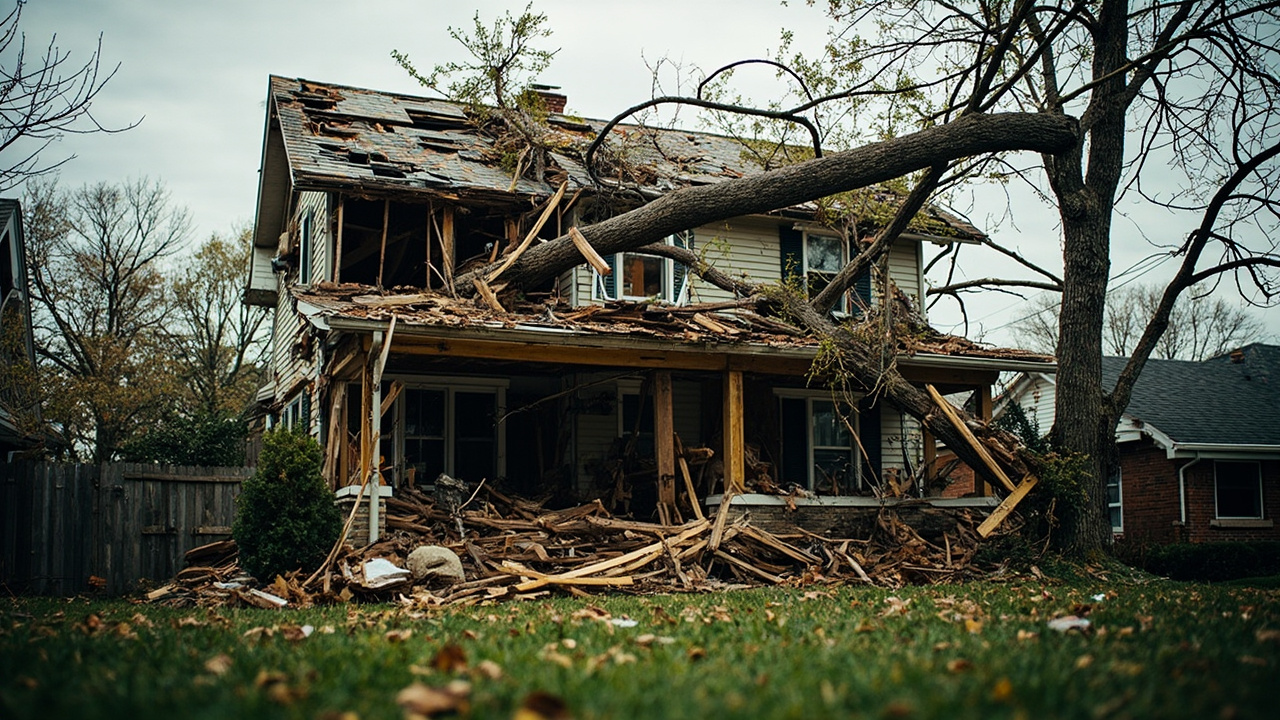
A fallen tree does not just damage shingles. It compromises roof decking, crushes rafters, and creates openings for rain to pour directly into your attic and living spaces. In St. Louis, where severe thunderstorms roll through the metro every spring and summer, a tree impact becomes a race against time. One storm system can deposit two inches of rain in under an hour, turning a punctured roof into a flooded interior.

The weight of a mature oak or sycamore, common throughout Tower Grove and Dogtown, can snap collar ties and crack ridge beams. If the tree pierces through to the attic floor, you risk ceiling collapse in bedrooms below. Emergency tree damage roof repair starts the moment you call, not when schedules allow.

You face three immediate threats after tree impact. First, exposed roof deck allows rain to soak insulation and drywall. Second, compromised framing loses its ability to carry snow loads come winter. Third, open cavities invite wildlife and accelerate mold colonization in Missouri's humid climate. Repair roof crushed by tree situations demand structural assessment before cosmetic fixes. Pioneer Roofing St. Louis deploys teams trained in fallen tree structural roof repair, arriving with tarping supplies, bracing materials, and the engineering knowledge to stabilize your home tonight.

St. Louis Storm Damage Creates Structural Emergencies You Cannot Ignore
How We Execute Emergency Roof Restoration Tree Damage

How We Execute Emergency Roof Restoration Tree Damage

Tree impact roofing services begin with triage, not estimates. Our crew arrives with tarps, two-by-fours, and structural bracing to stop secondary damage immediately. We do not wait for tree removal companies to finish. If the tree is still embedded in your roof, we build temporary support systems around it to prevent further collapse while coordinating safe removal with certified arborists.

Once the tree is clear, we expose the full damage zone. This means pulling back shingles and underlayment to inspect every rafter, truss, and section of roof decking within a six-foot radius of impact. A tree does not just damage where it lands. The kinetic energy travels through the framing, cracking connections and splitting wood fibers feet away from the strike point. We check for diagonal cracks in rafters, separation at ridge boards, and crushed top chords on trusses.

Structural repairs follow engineered load paths. We sister damaged rafters with dimensional lumber, install steel mending plates at fractured joints, and replace entire sections of decking when plywood delaminates. For truss damage, we follow manufacturer repair protocols or bring in a structural engineer for custom solutions. St. Louis building code requires specific fastener schedules and wood grades for roof framing. We do not improvise.

After framing repair, we install new decking, ice and water shield at penetrations, and architectural shingles that match your existing roof. Emergency roof restoration tree damage does not mean patchwork that fails in two years. You get structural integrity restored to pre-loss condition, documented with photos for your insurance adjuster.

What Happens During Your Emergency Tree Damage Call

Emergency Tree Impact & Structural Repair in St. Louis – 24/7 Response Within 2 Hours
01

Immediate Dispatch and Damage Containment

Within minutes of your call, we dispatch the closest available crew with emergency tarping equipment and structural bracing materials. Our team arrives prepared to scale the roof safely, even in active weather, to install heavy-duty tarps secured with battens and sandbags. We document the full extent of visible damage with photos and coordinate with your insurance company before moving to Phase 2.
02

Structural Assessment and Repair Planning

After stabilization, we perform a detailed inspection of all roof framing, checking for cracked rafters, crushed trusses, and compromised connections. We measure deflection in ridge beams, test fastener pull-through on damaged decking, and trace load paths to identify hidden failures. You receive a written scope of structural repairs with material specifications before demolition begins, giving your adjuster a complete damage inventory.
03

Engineered Repair and System Restoration

We execute repairs following St. Louis building code and manufacturer specifications, replacing damaged framing members, installing new decking, and restoring the complete roofing system from underlayment to shingles. Every repair is photographed, and all work is documented for your insurance file. You receive a weathertight roof with restored structural capacity, not a temporary fix that fails during the next wind event.

Why St. Louis Property Owners Call Pioneer Roofing St. Louis After Tree Strikes

Emergency roof work separates competent contractors from roofers who understand structural systems. Many companies can nail shingles. Few can diagnose a cracked ridge beam or recognize when a truss web has buckled under impact load. Pioneer Roofing St. Louis trains every crew member in structural framing repair, not just surface restoration.

We respond to tree impacts across the St. Louis metro, from the mature tree canopies in Clayton and Ladue to the dense oak groves surrounding homes in Kirkwood and Webster Groves. We know the tree species that dominate your neighborhood and the typical failure patterns each creates. A Bradford pear splits differently than a silver maple. The repair approach changes based on tree size, impact angle, and how long the tree remained on the structure before removal.

Our relationship with local building inspectors streamlines the permit process when structural repairs require approval. St. Louis County and the City of St. Louis have different inspection protocols for emergency repairs. We handle the paperwork while you handle your family's immediate needs.

Insurance companies trust our documentation. We provide itemized repair scopes with line-item costs, photo evidence of hidden damage, and written explanations of why specific repairs are necessary for structural integrity. Your adjuster receives everything needed to approve the claim without unnecessary delays or disputes over scope.

You do not need three estimates during an emergency. You need a crew that arrives tonight, stops the bleeding, and rebuilds your roof correctly the first time. That is what we do.

What You Can Expect When You Call Pioneer Roofing St. Louis Tonight

Response Time and Availability

We answer emergency calls 24 hours a day, every day. During severe weather, we pre-position crews across the metro to cut response time. You will speak with a dispatcher who understands roofing, not a call center reading scripts. We prioritize active leaks and structural instability over scheduled maintenance work. Most emergency tarping happens within two hours of your call, weather permitting. For situations where the tree remains embedded in the roof, we arrive with support systems to prevent collapse while coordinating safe tree removal with qualified arborists.

Damage Assessment and Insurance Coordination

Our assessment goes beyond visible damage. We inspect attic spaces for displaced insulation, check ceilings below for water stains, and trace roof framing for hidden cracks and separations. You receive a written damage summary with photos before repairs begin. We work directly with your insurance adjuster, providing detailed scopes and explaining why specific repairs are necessary for code compliance. If your adjuster underestimates damage, we document the discrepancies and advocate for full coverage. You are not fighting the insurance company alone.

Structural Repair Quality and Materials

We do not patch over structural damage with plywood and tar. Damaged rafters are sistered with matching dimensional lumber, fastened with engineered connectors per load tables. Crushed trusses are repaired following TPI 1 standards or replaced entirely when damage exceeds repair limits. New roof decking meets IRC code for thickness and fastener spacing. Underlayment and shingles match your existing roof in quality and appearance. Emergency repairs do not mean inferior materials or shortcuts. You receive a roof system restored to full structural capacity with the same service life as the original installation.

Post-Repair Inspection and Documentation

After repairs, we schedule a final walkthrough to review all work and answer questions about maintenance or insurance claims. You receive a complete photo record showing before, during, and after conditions for every repair area. This documentation protects you if future issues arise or if you sell your home and buyers ask about the repair history. We also provide material receipts and copies of any permits pulled during the repair process. If St. Louis County or City inspectors require a final inspection, we coordinate that and ensure all work passes without corrections.

Frequently Asked Questions

You Have Questions,
We Have Answers

Will insurance pay for tree removal after a storm? +

Most homeowners insurance policies cover tree removal if the tree caused damage to a covered structure, like your roof or walls. If a storm knocks a tree onto your St. Louis home, call your insurer immediately. They typically cover removal costs up to a specific limit, often $500 to $1,000 per tree. If the tree fell due to neglect or disease you ignored, coverage may be denied. Document everything with photos. A damaged tree blocking your driveway without hitting the house usually is not covered. Act fast to prevent further water intrusion or structural issues.

Can structural damage be repaired? +

Yes, structural damage from tree impact can be repaired. The extent depends on what was compromised. Roof decking, trusses, load-bearing walls, and foundation cracks are all repairable by qualified contractors. In St. Louis, older brick homes and wood-frame structures react differently to impact. A professional inspection identifies hidden damage behind drywall or in attic spaces. Repairs may involve sistering joists, replacing damaged studs, or rebuilding roof sections. The key is addressing the damage immediately to prevent mold, sagging, or collapse. Work with licensed contractors who understand local building codes and can coordinate with your insurance adjuster.

Who is responsible for damage caused by a fallen tree? +

Responsibility depends on the tree's condition and location before it fell. If a healthy tree on your property falls due to a storm or natural event, you are responsible for damage to your own property, and your neighbor is responsible for theirs. If your tree was visibly diseased or dead and you ignored it, you may be liable for damages it caused to neighboring properties. In St. Louis, this often becomes a legal issue after severe weather. Document the tree's condition with photos. If a neighbor's neglected tree damages your home, their liability insurance may cover your repairs.

What is the cheapest time of year for tree removal? +

Winter, specifically late January through March, is typically the cheapest time for tree removal in St. Louis. Tree services experience lower demand after storm season ends. Crews are available, and you can negotiate better rates. Avoid peak times like spring and summer when companies are busy with growth management and storm cleanup. Fall can also bring price increases as homeowners prepare for winter. If you need non-emergency removal, schedule during the off-season. However, if a tree threatens your structure after a storm, do not wait for cheaper rates. Emergency removal prevents further damage and insurance complications.

How much does homeowners insurance cover for tree removal? +

Homeowners insurance typically covers $500 to $1,000 per tree for removal, but only if the tree damaged a covered structure like your home, garage, or fence. Some policies offer higher limits or cover multiple trees per claim. The coverage applies when storms, lightning, or wind cause the tree to fall. If the tree simply falls in your yard without hitting anything, most policies will not pay for removal. Read your St. Louis policy declarations page for specific limits. If removal costs exceed your limit, you pay the difference out of pocket. Emergency tarping or temporary repairs are usually covered separately.

What are three things that are not covered by homeowners insurance? +

Homeowners insurance typically excludes flood damage, earthquake damage, and general maintenance or neglect. If your St. Louis home floods from the Mississippi or Missouri River overflow, you need separate flood insurance. Earthquake coverage requires an additional rider, though seismic activity is rare here. Damage from a tree you knew was diseased but ignored falls under neglect and is denied. Termite damage, mold from long-term leaks, and normal wear-and-tear repairs are also excluded. Sewer backups often require a separate endorsement. Always review your policy exclusions, especially if you live near floodplains or have mature trees on your property.

How much does it cost to fix a structural issue? +

Structural repair costs vary widely based on damage severity. Minor repairs like replacing a few roof trusses or sistering floor joists may run a few thousand dollars. Major damage involving foundation work, load-bearing wall reconstruction, or full roof replacement can reach tens of thousands. In St. Louis, brick foundation repairs and older home framing add complexity. Always get multiple estimates from licensed contractors. Insurance adjusters often provide initial repair estimates, but homeowners can hire independent adjusters or engineers for detailed assessments. Factor in permit fees and potential code upgrades required by St. Louis County or City building departments.

Will my homeowners insurance cover structural damage? +

Homeowners insurance covers structural damage if caused by a covered peril like storm damage, fire, or falling objects. If a tree crashes through your St. Louis home during a derecho or severe thunderstorm, your policy should cover repairs to damaged framing, roof structure, and load-bearing walls. However, damage from long-term neglect, pest infestations, or foundation settling due to soil movement is excluded. Review your policy's covered perils section. File your claim immediately after damage occurs. Delays can complicate claims, especially if secondary damage like water intrusion or mold develops while you wait.

What qualifies as structural damage? +

Structural damage affects components that support your home's stability and load-bearing capacity. This includes foundation cracks, damaged floor joists, broken roof trusses, compromised load-bearing walls, and sagging beams. In St. Louis, tree impact often damages roof decking, rafters, and exterior walls. Cosmetic issues like drywall cracks or broken windows are not structural unless they indicate underlying frame damage. A qualified structural engineer or licensed contractor can assess whether damage compromises your home's integrity. Structural damage requires immediate attention to prevent collapse, further deterioration, or safety hazards. Insurance adjusters differentiate between cosmetic and structural damage when processing claims.

What is considered an act of God when a tree falls? +

An act of God refers to natural events beyond human control, like lightning, tornadoes, or severe storms. If a healthy tree falls during a St. Louis thunderstorm with high winds, it qualifies as an act of God. This means neither property owner is negligent. Your insurance covers damage to your property, and your neighbor's insurance covers theirs. However, if the tree was diseased, leaning, or visibly hazardous before the storm, it may not qualify as an act of God. Negligence can shift liability. Document tree conditions regularly with photos, especially before severe weather season, to protect yourself from disputes.

Why St. Louis's Tree Canopy and Storm Patterns Make Tree Impact Repair Critical

St. Louis sits in a transition zone where Gulf moisture collides with continental air masses, creating the severe thunderstorms that spawn damaging winds and heavy rain from April through September. The metro area's mature tree canopy, dominated by oak, maple, and sycamore, provides shade and beauty until straight-line winds exceed 60 miles per hour. Trees in Tower Grove, Dogtown, and Clayton often exceed 80 feet in height with limbs overhanging roofs. When these trees fail during storms, they generate impact forces that crush trusses and puncture roof decking, creating emergencies that worsen rapidly in Missouri's humid climate where mold colonizes wet building materials within 48 hours.

Pioneer Roofing St. Louis maintains relationships with local building departments in St. Louis County and the City of St. Louis, streamlining the permit process for emergency structural repairs. We understand the inspection requirements and fastener schedules specified in local amendments to the International Residential Code. When adjusters question repair necessity, we reference the specific code sections that mandate our approach. This local expertise protects you from denied claims and ensures repairs meet the standards St. Louis inspectors enforce during final inspections.
Roofing Services in The St. Louis Area

Pioneer Roofing is proud to serve the entire St. Louis metropolitan area and surrounding communities. Our local presence means we are always nearby and ready to respond quickly to your roofing needs, whether you are located in the heart of St. Louis or the greater county. View our location and service radius on the map to confirm we cover your neighborhood and then call us to schedule your service!

Address:
Pioneer Roofing St. Louis, 1031 Lami St, St. Louis, MO, 63104

Additional Services We Offer

Our news updates

Latest Articles & News from The Blogs

Can You Actually Install a New Roof Over Your Old Shingles? Roofing a home in St. Louis comes with unique…

Can You Actually Install a New Roof Over Your Old Shingles?

Can You Actually Install a New Roof Over Your Old Shingles? Roofing a home in St. Louis comes with unique…

Why Your Neighbors in Manchester are Choosing Impact Rated Materials

Why Your Neighbors in Manchester are Choosing Impact Rated Materials Living in Manchester means dealing with the unpredictable St. Louis…

Preparing Your Roof for the Sudden Shifts of St. Louis Weather Patterns

Preparing Your Roof for the Sudden Shifts of St. Louis Weather Patterns Your roof faces more than just rain and…

Contact Us

Do not wait for rain to flood your home. Call (314) 417-7774 right now for emergency dispatch. Our crews are standing by with tarps, bracing materials, and the structural expertise to stabilize your roof tonight and restore it correctly tomorrow.