menu

24/7 Ice Dam Removal Services in St. Louis – Emergency Response Within 2 Hours

When ice dams threaten your roof, you need professional ice dam removal fast. Pioneer Roofing St. Louis dispatches emergency crews around the clock to prevent interior water damage, ceiling collapse, and structural failure across the greater metro area.

Slider Image 1
Slider Image 2
Slider Image 3
Slider Image 4
Slider Image 5
Slider Image 7
Slider Image 8
Slider Image 9
Slider Image 10
Slider Image 11

Ice Dams Are Destroying St. Louis Roofs Right Now

You just noticed water staining your ceiling. Or icicles the size of baseball bats hanging from your gutters. Or chunks of ice building up along your roofline. This is an ice dam, and it is actively damaging your home.

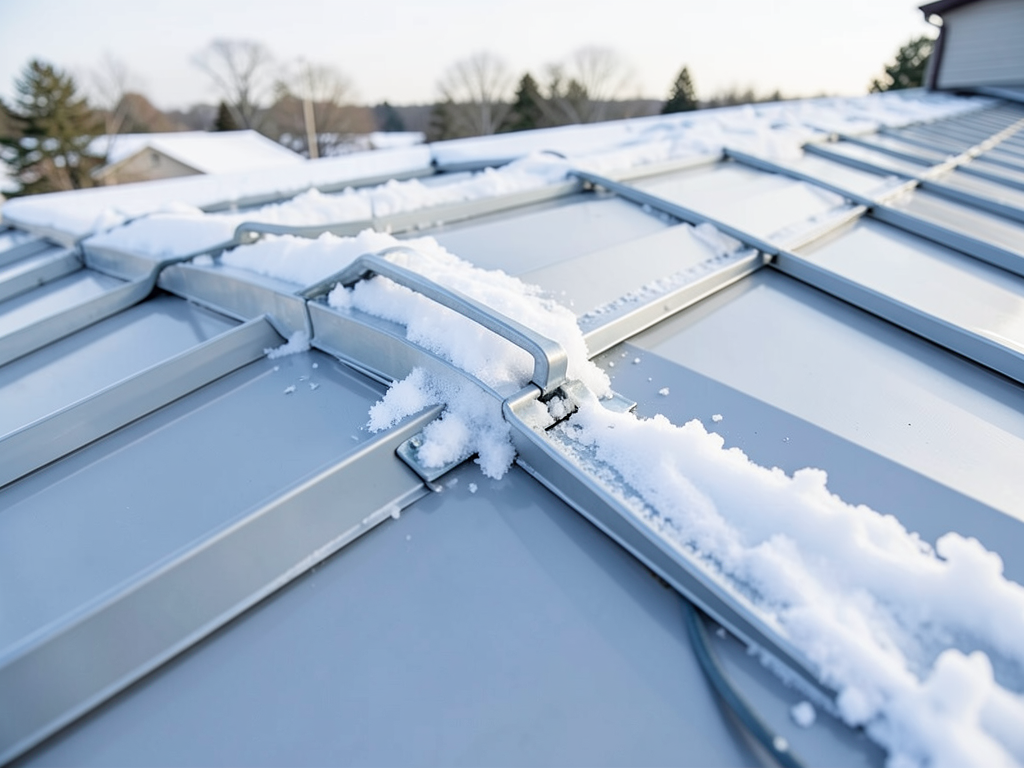
St. Louis sees enough freeze-thaw cycles each winter to create the perfect conditions for ice dam formation. When daytime temperatures hover in the mid-30s and nighttime temps drop into the teens, melted snow refreezes at your roof edge. That ice barrier traps water behind it. The trapped water has nowhere to go except under your shingles and into your attic.

The damage happens fast. Water soaks insulation, drips onto drywall, and spreads across ceiling joists. You might see stains first, but mold starts growing within 48 hours. Saturated insulation loses all R-value. Ceiling drywall gets heavy and sags. In extreme cases, sections collapse.

Emergency ice dam removal stops the destruction before it spreads. Professional ice dam removal companies use low-pressure steam to melt channels through the ice without damaging shingles or underlayment. This is not a DIY situation. Chipping away with a hammer destroys shingles. Salt damages roofing materials and landscaping. Heat cables take days to work, and you do not have days.

Roof ice dam removal requires specialized equipment and training. You need someone who understands how water moves through different roof assemblies and where vulnerabilities exist in your specific system.

Ice Dams Are Destroying St. Louis Roofs Right Now
How We Remove Ice Dams Without Damaging Your Roof

How We Remove Ice Dams Without Damaging Your Roof

We use commercial-grade steam equipment calibrated to 300 degrees at the nozzle. This temperature melts ice on contact without exceeding the thermal tolerance of asphalt shingles, which degrade above 350 degrees. The steam is low-pressure, so it does not blow water under shingles or tear granules off the surface.

Our technicians cut relief channels through the ice dam perpendicular to the roof edge. These channels allow trapped water to drain off the roof immediately. We do not remove the entire ice dam unless structurally necessary. Removing only what is needed protects your shingles from unnecessary exposure to heat and foot traffic.

We work from the ground whenever possible using extension wands. When roof access is required, we use fall protection harnesses rated for ice conditions and distribute weight across ladder stabilizers to prevent gutter damage. Ice dam steaming services require constant monitoring of steam temperature and pressure. Too hot, and you damage shingles. Too cold, and you waste time while water continues entering your home.

After creating drainage channels, we inspect the attic for active leaks and document moisture intrusion points. You need to know where water entered so repairs target the right areas. We also check insulation depth and ventilation. Most ice dams form because heat escapes through insufficient attic insulation, warming the roof deck and melting snow unevenly.

The goal is immediate water diversion, not cosmetic ice removal. We focus on stopping ongoing damage first. Clearing decorative icicles comes later.

What Happens During Emergency Ice Dam Removal

24/7 Ice Dam Removal Services in St. Louis – Emergency Response Within 2 Hours
01

Dispatch and Assessment

When you call, we dispatch a crew within two hours. Our technicians assess ice dam thickness, roof pitch, and active leak locations from the ground first. We identify the fastest drainage path and safest access points. You get a clear explanation of what we will do and how long it will take. Most emergency ice dam removal takes 2-4 hours depending on roof size and ice thickness.
02

Steam Channel Cutting

We position equipment and begin cutting drainage channels through the thickest ice sections. You will see water pouring off your roof within 20 minutes. Our technicians monitor steam temperature continuously and adjust pressure based on ice density. We cut channels wide enough to handle ongoing melt from remaining snow pack. This prevents immediate re-damming while temperatures stay above freezing during the day.
03

Interior Damage Documentation

After drainage channels are open, we inspect your attic and photograph moisture damage. You receive a written assessment detailing insulation saturation, structural concerns, and recommended repairs. This documentation is critical for insurance claims. We explain what caused the ice dam and what preventive measures will stop recurrence. Most ice dams result from inadequate attic insulation or ventilation failures that allow heat escape.

Why St. Louis Homeowners Call Pioneer Roofing for Ice Dam Emergencies

Ice dam removal is not a service you plan for. You need someone who answers the phone at 2 AM and arrives before sunrise. Pioneer Roofing St. Louis operates 24/7 during freeze-thaw conditions because we know ice dams do not wait for business hours.

We understand how St. Louis architecture affects ice dam formation. Many homes in neighborhoods like Clayton, Webster Groves, and Kirkwood feature complex rooflines with multiple valleys and dormers. These architectural details create uneven snow melt patterns. Victorian homes in the Central West End often have minimal attic insulation because they were built before modern energy codes. Ranch homes in South County frequently have inadequate soffit ventilation.

Our crews train specifically on low-slope and steep-pitch residential roofing common throughout the metro area. We know which shingle manufacturers are prevalent here and how different products respond to steam application. GAF Timberline shingles, Owens Corning Duration series, and CertainTeed Landmark products all have different thermal tolerances.

We also coordinate with your insurance company. Most homeowner policies cover ice dam damage under dwelling coverage, but documentation requirements vary. We photograph conditions before and after removal, provide written damage assessments, and explain causation clearly. This speeds up claims processing and reduces disputes.

You are not just hiring ice dam removal. You are hiring someone who understands St. Louis building stock, responds immediately, and knows how to work with local insurance adjusters. When water is actively entering your home, those details matter.

What to Expect When You Call for Emergency Ice Dam Removal

Immediate Response Time

We dispatch crews within two hours of your call, 24 hours a day. During active freeze-thaw events, we pre-position equipment and maintain crews on standby. You get a callback within 15 minutes with an estimated arrival window. Most emergency ice dam removal work is completed the same day you call. We do not schedule you three days out while water pours into your attic. If you call us at midnight with an active leak, we arrive before dawn. Speed matters because every hour of trapped water creates exponentially more damage.

Comprehensive Damage Assessment

After we stop active drainage, we inspect your attic space thoroughly. You receive photos of saturated insulation, moisture staining on framing members, and any structural concerns. We measure insulation depth and check ventilation adequacy. This assessment explains why the ice dam formed and what repairs prevent recurrence. We also identify whether you need immediate mitigation services like insulation removal or mold remediation. You get a written report suitable for insurance submission. Many homeowners do not realize they have inadequate attic insulation until an ice dam forces inspection.

Complete Water Diversion

Our goal is permanent drainage, not temporary relief. We cut channels wide enough to handle ongoing snow melt for the next 48-72 hours. If temperatures are forecast to remain above freezing during daytime hours, we create multiple drainage paths to prevent channel refreezing at night. You do not need a return visit every time temperatures drop. The channels we cut remain functional until the entire ice dam melts naturally. We also clear downspouts and verify water is exiting your gutter system properly, not pooling at the foundation.

Prevention Planning and Repairs

Emergency removal solves the immediate crisis, but you need a plan to prevent the next ice dam. We provide detailed recommendations for attic insulation upgrades, ventilation improvements, and vulnerable detail corrections. Many ice dams form at roof-to-wall transitions, skylight curbs, and dormer valleys where insulation is compressed or missing. We explain what work is needed and coordinate with your insurance adjuster on covered repairs. You also get guidance on temporary measures like roof raking and attic temperature monitoring. Most ice dams are preventable with proper insulation and ventilation.

Frequently Asked Questions

You Have Questions,
We Have Answers

How much does it cost to remove an ice dam? +

Ice dam removal in St. Louis typically costs between $300 and $1,500, depending on the size of the dam, roof accessibility, and damage severity. Most professionals charge per linear foot or offer flat rates for emergency service. Costs increase if your roof has steep pitches or multiple stories. Waiting too long can lead to interior water damage, which costs far more to repair. The price reflects specialized equipment like steamers that safely melt ice without damaging shingles. Get quotes from local contractors who understand Missouri freeze-thaw cycles and can respond quickly during winter storms.

Does insurance pay for ice dam removal? +

Most homeowners insurance policies cover ice dam damage to your home's interior, like ceiling stains, wall damage, or ruined insulation. However, the removal itself may not be covered unless it's deemed necessary to prevent further damage. Your deductible applies. Document everything with photos before removal begins. Contact your insurance adjuster immediately when you spot water leaks or ceiling stains. Many St. Louis roofing companies work directly with insurance adjusters to streamline claims. Read your policy's winter damage exclusions carefully. Prevention measures like attic insulation upgrades typically are not covered.

How do I get rid of an ice dam? +

Stop the immediate danger first. Call a professional ice dam removal service that uses low-pressure steam, not hammers or shovels that damage shingles. Never climb onto an icy roof yourself. Turn up your attic ventilation if possible and create channels for trapped water to drain. Rake snow from your roof edges using a roof rake from the ground. Do not use salt or calcium chloride, which corrodes metal and damages landscaping. St. Louis experiences rapid freeze-thaw cycles, so address dams within 24 hours of spotting them. Professional removal prevents costly interior damage.

Is ice dam removal worth it? +

Absolutely. Ice dams cause water to back up under shingles, leak into your attic, ruin insulation, stain ceilings, and promote mold growth. Repair costs for water damage easily exceed $5,000. St. Louis homes with inadequate attic insulation face higher risk during our fluctuating winter temperatures. Removing the dam stops active leaking immediately and prevents structural damage to roof decking. The longer you wait, the worse the damage becomes. Professional removal protects your investment and prevents emergency repairs during winter. Ignoring an ice dam turns a manageable problem into a catastrophic insurance claim.

Why St. Louis Freeze-Thaw Cycles Make Ice Dam Removal Critical

St. Louis sits in a climate zone where winter temperatures swing wildly. A 50-degree afternoon melts snow pack on south-facing roof slopes, then a 15-degree night refreezes everything at the eaves. This cycle repeats daily through January and February. Homes near the Missouri River and Mississippi River experience even more dramatic swings due to water-moderated temperatures. The result is thick ice buildup along gutters and roof edges. Emergency ice dam removal becomes necessary when these ice barriers trap meltwater behind them, forcing water under shingles and into attic spaces.

Professional ice dam removal companies operating in St. Louis understand local building patterns. Many older homes in areas like the Hill, Soulard, and Lafayette Square have minimal roof overhangs and insufficient attic ventilation by modern standards. These details accelerate ice dam formation. Roof ice dam removal in these neighborhoods requires familiarity with historic construction methods and careful handling of aged roofing materials. Ice dam steaming services must be performed by technicians who understand how different roof assemblies respond to thermal stress and moisture intrusion.
Roofing Services in The St. Louis Area

Pioneer Roofing is proud to serve the entire St. Louis metropolitan area and surrounding communities. Our local presence means we are always nearby and ready to respond quickly to your roofing needs, whether you are located in the heart of St. Louis or the greater county. View our location and service radius on the map to confirm we cover your neighborhood and then call us to schedule your service!

Address:
Pioneer Roofing St. Louis, 1031 Lami St, St. Louis, MO, 63104

Additional Services We Offer

Our news updates

Latest Articles & News from The Blogs

Can You Actually Install a New Roof Over Your Old Shingles? Roofing a home in St. Louis comes with unique…

Can You Actually Install a New Roof Over Your Old Shingles?

Can You Actually Install a New Roof Over Your Old Shingles? Roofing a home in St. Louis comes with unique…

Why Your Neighbors in Manchester are Choosing Impact Rated Materials

Why Your Neighbors in Manchester are Choosing Impact Rated Materials Living in Manchester means dealing with the unpredictable St. Louis…

Preparing Your Roof for the Sudden Shifts of St. Louis Weather Patterns

Preparing Your Roof for the Sudden Shifts of St. Louis Weather Patterns Your roof faces more than just rain and…

Contact Us

Water is entering your home right now. Every minute you wait adds to the repair bill. Call Pioneer Roofing St. Louis at (314) 417-7774 for immediate dispatch. Our emergency crews operate 24/7 and arrive within two hours.