menu

Fire & Smoke Damage Assessment in St. Louis – 24/7 Emergency Response Protects Your Home

When fire strikes your St. Louis property, immediate structural evaluation prevents collapse, hidden damage spread, and insurance claim denials. Our certified fire damage roofing evaluation teams deploy within 60 minutes to document loss, secure your structure, and start emergency mitigation.

Slider Image 1
Slider Image 2
Slider Image 3
Slider Image 4
Slider Image 5
Slider Image 7
Slider Image 8
Slider Image 9
Slider Image 10
Slider Image 11

Fire Damage Doesn't Stop When the Flames Go Out

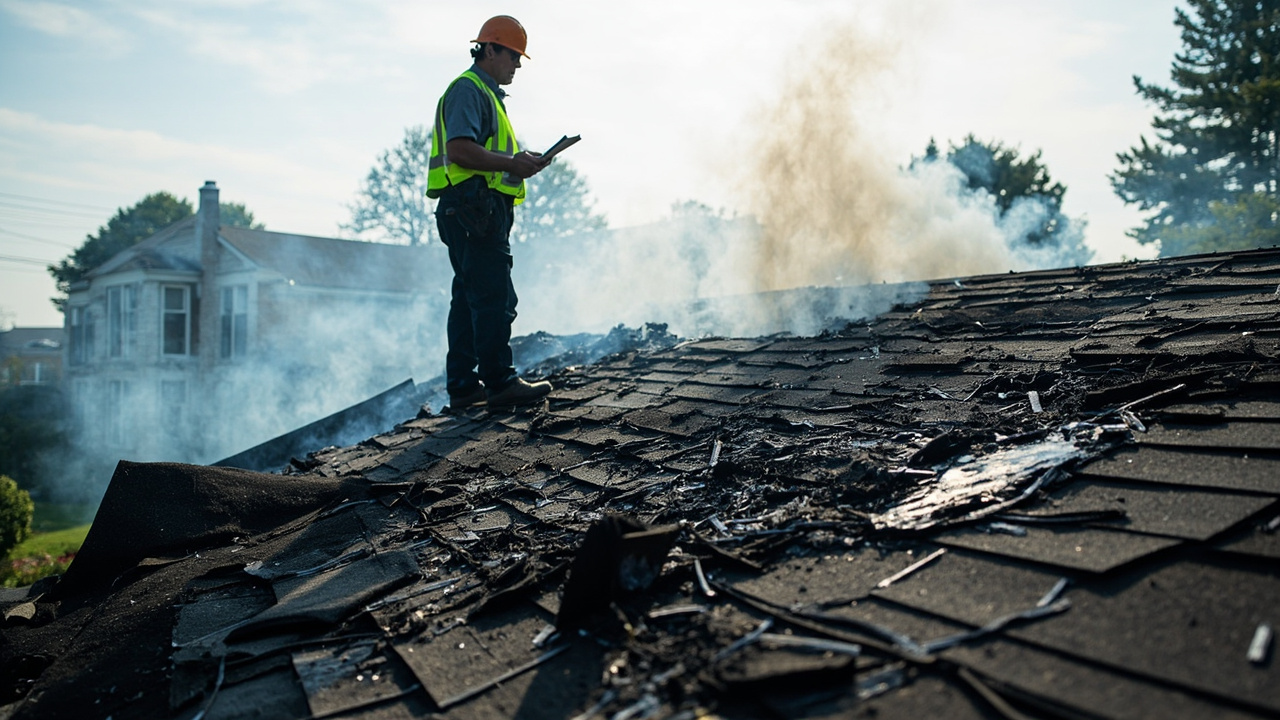
The fire trucks have left. The smoke has cleared. But your roof is still in danger.

Fire damage creates hidden structural failures that worsen by the hour. St. Louis's dramatic temperature swings accelerate thermal shock damage to compromised materials. A roof deck weakened by flames can collapse under snow load weeks after the fire. Acidic smoke residue continues corroding metal flashing, fasteners, and HVAC penetrations even after the visible damage is addressed.

You need an emergency roof fire inspection within hours, not days. Water from firefighting efforts saturates insulation, rots decking, and creates mold colonies in 48 hours. St. Louis's high summer humidity turns water-damaged attics into biological hazard zones faster than most property owners realize.

Your insurance adjuster needs documentation immediately. A professional fire damage roofing evaluation creates the evidence trail that prevents claim disputes. We photograph structural failures, measure char depth on rafters, document compromised fastener pull strength, and identify which materials require replacement versus remediation.

Delayed assessment costs you money. Smoke damage roof assessment must happen before you clean anything. Once soot is disturbed or washed away, you lose critical evidence of fire path, heat intensity, and material degradation. St. Louis building inspectors require structural certification before re-occupancy permits are issued. Every day you wait extends your displacement and increases secondary damage.

The post-fire roof inspection is not cosmetic. This is forensic structural analysis that determines whether your home is safe to enter and what must be demolished versus salvaged.

Fire Damage Doesn't Stop When the Flames Go Out
Our Structural Fire Analysis Methodology

Our Structural Fire Analysis Methodology

We do not walk your roof with a clipboard and take photos. Our structural roof fire analysis uses calibrated tools and engineering protocols to measure actual load-bearing capacity after thermal degradation.

We start with rafter and truss inspection using moisture meters and thermal imaging. Wood that looks intact can have 70 percent strength loss from internal charring. We probe suspect areas with an awl to measure char depth and test fastener zones for pull-through failure. St. Louis's older homes often have dimensional lumber that performs differently under fire load than engineered trusses. We know the difference.

Metal components get special attention. Flashing, valleys, drip edges, and fasteners lose tensile strength at temperatures well below visible melting points. We test metal hardness and inspect for crystallization patterns that indicate the material reached critical failure temperatures. A valley flashing that looks fine can shatter under the next hailstorm if it was heat-treated during the fire.

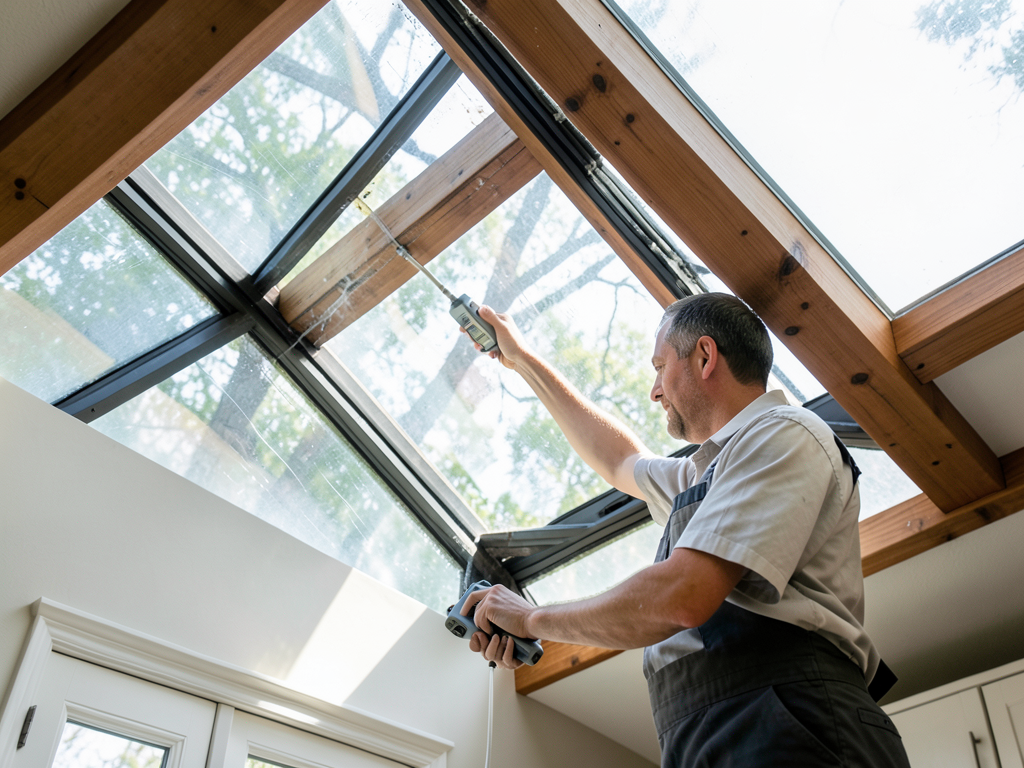
We document every penetration. Plumbing vents, HVAC boots, skylights, and chimney flashings are fire pathways that spread damage through your roof assembly. We trace smoke staining patterns to identify hidden fire travel routes through wall cavities and attic spaces. St. Louis's brick chimneys often crack internally during fires, creating carbon monoxide pathways that remain dangerous long after repairs.

Our assessment includes ventilation system integrity. Soffit vents and ridge vents that melted or warped create moisture traps that accelerate rot. We measure attic airflow and check for smoke contamination in insulation that requires removal, not just cleaning.

You receive a written report with load-bearing calculations, repair specifications, and material lists formatted for insurance submission and permit applications.

What Happens When You Call for Emergency Fire Assessment

Fire & Smoke Damage Assessment in St. Louis – 24/7 Emergency Response Protects Your Home
01

Immediate Site Securing

We arrive with tarping materials and emergency shoring equipment. Before detailed inspection begins, we prevent additional water intrusion and stabilize compromised sections. St. Louis's sudden thunderstorms can dump rain into your fire-damaged structure within hours. We install temporary weather barriers, secure loose materials that could become wind hazards, and mark unsafe zones. This protection happens on the first visit, not after paperwork is complete.
02

Forensic Damage Documentation

Our team photographs and measures every affected area using calibrated tools. We take char depth readings on structural members, test fastener zones, inspect underlayment exposure, and document smoke travel patterns. You receive GPS-tagged photos, measurements recorded to the nearest eighth inch, and material identification for every damaged component. This documentation meets insurance adjuster requirements and building department standards. We create the evidence package that protects your claim from dispute or undervaluation.
03

Engineered Repair Plan

You receive a written structural analysis with specific repair procedures, material specifications, and building code compliance notes. Our report identifies which components require full replacement, which need sister reinforcement, and what can be salvaged. We provide separate estimates for emergency stabilization, permanent repairs, and code-required upgrades. St. Louis building officials require engineered repair plans for fire-damaged structures before issuing permits. Our documentation satisfies those requirements and prevents re-inspection failures.

Why St. Louis Property Owners Choose Pioneer Roofing for Fire Assessment

Fire damage assessment requires construction knowledge and insurance claim experience. We provide both.

Our team includes former insurance adjusters who understand claim documentation requirements. We know what evidence your carrier needs to approve full replacement versus depreciated repairs. St. Louis property owners working with our documentation get faster claim approvals and fewer disputes over scope and pricing.

We understand St. Louis building codes for fire-damaged structures. The city requires engineered repair plans and structural certification before re-occupancy permits are issued. Our assessments meet those requirements without requiring you to hire separate engineers or consultants. We work directly with city inspectors to ensure your repairs pass on the first inspection.

Our experience with St. Louis's housing stock matters. The city's older brick homes, mid-century ranch houses, and historic district properties all behave differently under fire stress. We know which framing systems are most vulnerable, which materials were used in different construction eras, and how local soil conditions affect foundation stability after fire damage. That knowledge prevents misdiagnosis and unnecessary demolition.

We coordinate with restoration contractors, but we work for you. Our assessment is independent. We do not inflate damage to increase restoration contracts. St. Louis has seen too many property owners pressured into unnecessary teardowns by contractors who benefit from larger projects. Our job is accurate diagnosis, not maximizing reconstruction scope.

You receive straight answers about what is dangerous, what is repairable, and what is cosmetic. We explain the engineering reality of your structure's condition in plain language. No scare tactics. No minimizing serious problems to win your business. Just professional structural analysis that gives you the information needed to make informed decisions about your property.

What Your Fire Damage Assessment Includes

Emergency Response Timing

We dispatch teams 24 hours a day, 365 days per year. Most St. Louis emergency assessments receive same-day response when you call before 3 PM on weekdays. Night and weekend fires receive response within 90 minutes during staffed hours. We prioritize active weather threats. If rain is forecast within 24 hours, we arrive with tarping crews before the detailed inspection begins. Your structure gets protected immediately, then assessed thoroughly. Emergency stabilization happens on the first visit, not after estimates are approved.

Comprehensive Structural Evaluation

Our assessment examines every component of your roof assembly. We inspect rafters, trusses, decking, underlayment, flashing, penetrations, and ventilation systems. You receive specific findings for each area, not vague generalizations. We measure char depth, test moisture content, document fastener conditions, and photograph damage patterns. The inspection includes attic spaces, soffit areas, and chimney interfaces. St. Louis building officials require this level of detail for permit approval. Our reports satisfy code requirements without requiring supplemental engineering consultations.

Insurance-Ready Documentation

You receive a written report with photographs, measurements, material specifications, and repair recommendations formatted for insurance submission. Our documentation includes date-stamped photos, GPS location data, and calibrated measurement tools. We identify line items by insurance industry standard terminology to prevent claim translation errors. The report separates fire damage from pre-existing conditions, emergency repairs from permanent reconstruction, and code-required upgrades from discretionary improvements. This clarity prevents disputes and accelerates claim processing. Most St. Louis adjusters approve our assessments without requesting supplemental inspections.

Ongoing Monitoring Support

Fire-damaged structures require monitoring during repairs. We provide follow-up inspections to verify that concealed damage is not discovered during tearout and that repairs meet structural specifications. St. Louis's building department often requires mid-construction inspections before covering structural work. We coordinate those inspections and verify compliance before your contractor closes up walls or roof decks. If additional damage is discovered during repairs, we document the findings and provide supplemental reports for insurance claim amendments. You receive final certification after repairs are complete, satisfying building department close-out requirements.

Frequently Asked Questions

You Have Questions,
We Have Answers

Why St. Louis's Brick Chimneys Create Hidden Fire Damage Risks

St. Louis's historic housing stock includes thousands of brick chimneys built between 1900 and 1960. These masonry structures seem fireproof, but intense heat causes internal brick cracking and mortar failure that remains invisible from the exterior. Clay soil settlement common throughout St. Louis already stresses chimney structures. When fire adds thermal shock to existing stress cracks, chimneys can fail catastrophically weeks after the fire is extinguished. Our structural roof fire analysis includes flue inspection and masonry integrity testing that prevents delayed collapse and carbon monoxide intrusion into living spaces.

St. Louis building codes require engineered assessments for fire-damaged structures before re-occupancy permits are issued. The city's inspection department will not approve general contractor estimates or insurance adjuster reports as sufficient structural certification. Property owners need documentation from qualified construction professionals with specific fire damage expertise. Our team works directly with St. Louis building officials and understands their documentation requirements. We provide the certification letters and structural calculations that satisfy permit requirements, preventing delays and allowing you to return home or reopen your business as quickly as safety allows.
Roofing Services in The St. Louis Area

Pioneer Roofing is proud to serve the entire St. Louis metropolitan area and surrounding communities. Our local presence means we are always nearby and ready to respond quickly to your roofing needs, whether you are located in the heart of St. Louis or the greater county. View our location and service radius on the map to confirm we cover your neighborhood and then call us to schedule your service!

Address:
Pioneer Roofing St. Louis, 1031 Lami St, St. Louis, MO, 63104

Additional Services We Offer

Our news updates

Latest Articles & News from The Blogs

Can You Actually Install a New Roof Over Your Old Shingles? Roofing a home in St. Louis comes with unique…

Can You Actually Install a New Roof Over Your Old Shingles?

Can You Actually Install a New Roof Over Your Old Shingles? Roofing a home in St. Louis comes with unique…

Why Your Neighbors in Manchester are Choosing Impact Rated Materials

Why Your Neighbors in Manchester are Choosing Impact Rated Materials Living in Manchester means dealing with the unpredictable St. Louis…

Preparing Your Roof for the Sudden Shifts of St. Louis Weather Patterns

Preparing Your Roof for the Sudden Shifts of St. Louis Weather Patterns Your roof faces more than just rain and…

Contact Us

Your structure is at risk right now. Call (314) 417-7774 for immediate dispatch. We secure your property, document all damage, and provide the structural certification required for insurance claims and building permits. Available 24/7 throughout the St. Louis metro.