menu

Curling & Buckling Shingles in St. Louis – Expert Diagnosis and Permanent Repair Solutions

Pioneer Roofing St. Louis identifies the root cause of curling and buckling shingles across the metro area, from Clayton to Webster Groves, and delivers lasting repairs tailored to Missouri's extreme weather conditions.

Slider Image 1
Slider Image 2
Slider Image 3
Slider Image 4
Slider Image 5
Slider Image 7
Slider Image 8
Slider Image 9
Slider Image 10
Slider Image 11

Why St. Louis Roofs Suffer From Curling and Buckling Shingles

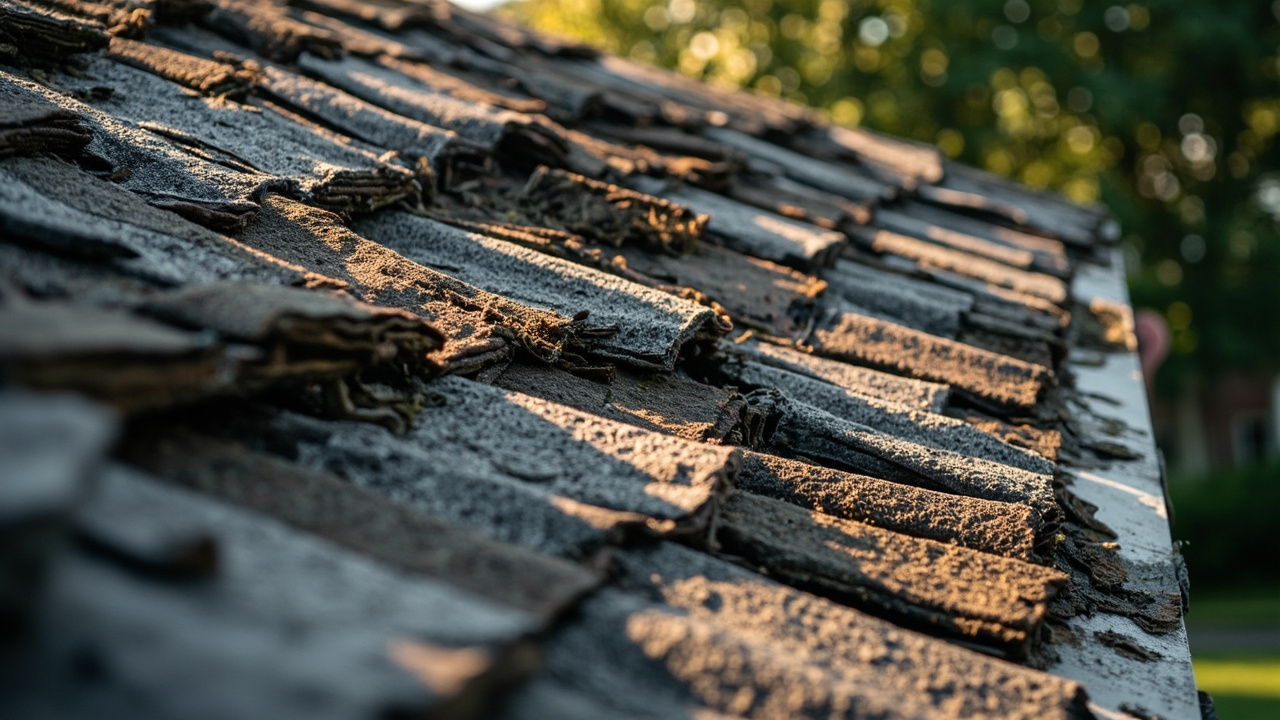
You walk outside and notice your roof looks uneven. The shingles appear wavy, some edges lift up, others curl under. This is not normal wear. This is shingle distortion, and it happens faster in St. Louis than almost anywhere else in the Midwest.

St. Louis sits at the intersection of extreme humidity and violent temperature swings. Summer attic temperatures hit 150 degrees. Winter freeze-thaw cycles repeat every few days. This thermal expansion and contraction causes asphalt shingles to lose their flexibility. The mat underneath warps. The result is warped asphalt shingles that either cup upward or claw downward.

Cupping shingles curve up at the edges, creating gaps where water infiltrates. Clawing shingles curl downward in the center, exposing the nail line to UV damage and moisture. Both forms of shingle distortion accelerate aging. What should last 20 years fails in 12.

Poor attic ventilation makes it worse. Homes in the Central West End and Tower Grove often lack proper ridge vents. Heat trapped in the attic bakes the shingles from below while the sun attacks from above. This dual assault causes buckling along the entire plane of the roof.

Improper installation compounds the problem. Shingles nailed too high or over multiple old layers have no room to expand. They buckle at the seams. Wavy shingles appear in vertical lines where the decking underneath has moisture damage or was never flat to begin with.

You cannot fix this with a patch. The entire affected area needs replacement, and the underlying cause must be addressed or the new shingles will fail just as fast.

Why St. Louis Roofs Suffer From Curling and Buckling Shingles
How Pioneer Roofing St. Louis Fixes Curling and Buckling Shingles Correctly

How Pioneer Roofing St. Louis Fixes Curling and Buckling Shingles Correctly

We do not guess. We start with a thermal scan of your attic space to measure ventilation efficiency and insulation gaps. If your attic runs 20 degrees hotter than it should, no shingle will last. We identify whether the problem is intake vents at the soffits, exhaust vents at the ridge, or blocked airflow from over-insulation.

Next, we inspect the roof decking from inside the attic. Buckling shingles often signal rotted or warped OSB sheathing underneath. If the decking is not flat and dry, the new shingles will telegraph every imperfection. We replace any compromised sections with properly rated plywood, not the thin OSB that fails in Missouri humidity.

We remove the distorted shingles and assess the underlayment. Most older homes in St. Louis have 15-pound felt paper, which deteriorates in high heat. We install synthetic underlayment with a higher tear strength and better moisture resistance. This layer matters more than most homeowners realize. It is your second line of defense when shingles fail.

We install architectural shingles with a higher algae resistance rating. St. Louis sees algae streaking on north-facing slopes within five years of installation. Algae holds moisture against the shingle surface, which accelerates cupping. We use shingles with copper granules embedded in the mat to prevent this growth.

Ventilation gets corrected at the same time. We install baffles at every rafter bay to maintain airflow from soffit to ridge. If your home lacks a ridge vent, we cut one in. Proper ventilation drops attic temperatures by 30 degrees, which extends shingle life by years.

We hand-nail every shingle in the correct nail zone, four nails per shingle, six on high-wind areas. No pneumatic guns set too deep. No overdriven fasteners that tear the mat. Proper nailing prevents future clawing.

What Happens During Your Shingle Distortion Repair

Curling & Buckling Shingles in St. Louis – Expert Diagnosis and Permanent Repair Solutions
01

Attic and Decking Inspection

We access your attic and measure temperature differentials, check ventilation pathways, and inspect the underside of your roof decking for moisture stains, rot, or warping. This reveals whether the buckling originates from heat buildup, structural movement, or water infiltration. We document every deficiency with photos and thermal readings so you understand exactly what caused the failure.
02

Decking Repair and Ventilation Upgrade

We remove the distorted shingles and any damaged decking. Rotted sections get replaced with tongue-and-groove plywood. We install intake baffles at the soffits and cut or improve ridge vents to establish continuous airflow. If your home has gable vents fighting with ridge vents, we seal the gables. Ventilation must flow in one direction or it creates turbulence that traps heat.
03

Shingle Replacement and Sealing

We install new synthetic underlayment, then hand-nail architectural shingles in the manufacturer-specified nail zone. Each shingle gets four fasteners, placed to avoid over-compression. We seal all penetrations with rubberized flashing and apply a starter strip at the eaves to prevent wind uplift. The completed repair blends with your existing roof and will not repeat the distortion pattern.

Why St. Louis Homeowners Trust Pioneer Roofing for Shingle Repairs

Most roofers in St. Louis treat curling shingles as a cosmetic issue. They replace the visible damage and leave. Six months later, the new shingles start to buckle in the same spot. You pay twice for a problem that was never fixed correctly.

Pioneer Roofing St. Louis approaches shingle distortion as a systems failure. We trained our crews to think like building scientists, not just installers. When we see wavy shingles, we ask why. Is the attic ventilation inadequate? Is the decking saturated? Was the roof installed over multiple old layers? We find the root cause and fix it, or we do not take the job.

We work on homes from Soulard to Ladue, and we understand the building styles that dominate each neighborhood. Older brick homes in Lafayette Square often lack soffit vents entirely. The eaves are too tight. We retrofit intake vents using modern techniques that preserve the architectural integrity. Ranch homes in South County have low-slope additions where water pools. We address the drainage before we touch the shingles.

We know St. Louis building codes. We pull permits when required and schedule inspections. This protects you during resale and ensures your insurance covers future claims. Many contractors skip this step to save time. That shortcut costs you later.

Our crews have worked through St. Louis summers where the heat index hits 110 degrees. We know how asphalt behaves in extreme heat. We schedule tear-offs early in the morning to avoid walking on soft shingles. We store materials in the shade. These details matter when you are trying to prevent the very problem you are hired to fix.

We do not upsell full replacements when a repair will solve the issue. If your shingle distortion is localized to one slope and the rest of the roof has years left, we tell you that. Honesty builds long-term relationships. We want you to call us in 15 years when the whole roof needs replacement, not avoid us because we oversold you today.

What You Can Expect From Your Shingle Repair Project

Repair Timeline and Scheduling

Most shingle distortion repairs take one to two days, depending on the extent of decking replacement and ventilation upgrades. We schedule around weather windows. St. Louis storms roll in fast, and we will not start a tear-off if rain is forecast within 24 hours. You get a confirmed start date three days in advance. We arrive early, typically by 7 a.m., to maximize daylight and avoid working on hot shingles. If we discover additional damage during tear-off, we call you immediately with photos and a revised estimate before proceeding.

Detailed Roof and Attic Assessment

Your initial consultation includes a roof surface inspection and an attic evaluation. We use a thermal camera to identify hot spots where ventilation fails. We check every penetration, valley, and transition point where water could enter. You receive a written report with photos, thermal images, and a breakdown of what is causing the shingle distortion. We explain whether the problem is ventilation, installation error, or material failure. This transparency allows you to make an informed decision about the scope of repair needed.

Quality of Materials and Installation

We use architectural shingles rated for high wind and algae resistance. All underlayment is synthetic, not felt paper. Flashing is ice-and-water barrier at valleys and eaves, with metal step flashing at all wall intersections. We hand-nail every shingle in the correct zone to prevent overdriven fasteners that cause future clawing. The finished repair matches your existing roof in color and texture. You will not see a visible patch. The work is clean, tight, and built to outlast the original installation.

Post-Repair Support and Monitoring

We provide a written workmanship warranty that covers installation defects. If a shingle lifts or a seal fails due to our work, we return and fix it at no charge. We recommend an attic inspection one year after the repair to confirm that ventilation improvements are performing as designed. St. Louis humidity can reveal issues over time, and we want to catch them early. You also receive a maintenance checklist that explains how to spot early signs of shingle failure, so you can address small problems before they require another repair.

Frequently Asked Questions

You Have Questions,
We Have Answers

Is it normal for roof shingles to buckle? +

No, buckling shingles are not normal. They signal installation problems or structural issues. In St. Louis, buckling often happens when moisture gets trapped in the roof deck, common after humid summers or ice dam damage. Improper nailing during installation is another culprit. When shingles buckle, they create gaps that let water penetrate, accelerating rot and leaks. This is a defect, not wear and tear. If you see buckling patterns across your roof, get a professional inspection. The underlying cause needs fixing, not just patching. Ignore it and you risk interior water damage.

How to fix curled up shingles? +

You cannot reverse curled shingles. Once asphalt shingles curl, the material has degraded. In St. Louis, curling accelerates due to our hot, humid summers and freeze-thaw cycles. Some roofers try resealing curled edges with roofing cement, but this is temporary. The fix is targeted replacement. A qualified roofer assesses how widespread the curling is. If isolated to a few shingles, spot replacement works. If curling affects most of the roof, you need a full replacement. Do not wait. Curled shingles expose underlayment to UV damage and water intrusion.

How to tell if a roofer is lying? +

Ask for proof. A trustworthy roofer provides photos of damage, not just verbal claims. Be cautious if they push for immediate decisions or demand full payment upfront. In St. Louis, storm-chasing contractors flood neighborhoods after hail events. Check their local references and verify their business address. A lying roofer often exaggerates storm damage to trigger insurance claims. They may claim your entire roof needs replacement when only sections are damaged. Get a second opinion. Ask specific questions about flashing, ventilation, and deck condition. Vague answers are red flags.

How to fix buckling shingles? +

Fixing buckling requires addressing the root cause, not just the shingles. In St. Louis, moisture in the roof deck is often the culprit, especially after prolonged humidity or poor attic ventilation. First, a roofer inspects the deck for rot or improper installation. Buckled shingles must be removed. If the deck is damaged, it gets replaced. Then new shingles are installed with proper nailing patterns and spacing. Ventilation improvements may be needed to prevent future buckling. This is not a DIY fix. Poor repairs make the problem worse and void warranties.

How long do roofs last if shingles are curling up? +

Once shingles start curling, your roof has limited time left. Curling signals advanced aging or installation defects. In St. Louis, a roof with minor curling may last one to three years before leaks develop. Severe curling means replacement is urgent. Curled shingles cannot seal properly, so wind-driven rain penetrates easily. Freeze-thaw cycles worsen the damage each winter. If curling covers more than a third of your roof, plan for replacement within the next year. Delaying invites interior water damage, mold growth, and higher repair costs.

Is buckling a sudden failure? +

No, buckling develops gradually. It starts with trapped moisture or improper installation. In St. Louis, you might notice small waves or ripples in your roof surface first. Over months, these waves grow as the deck expands and contracts with temperature swings. Buckling worsens after heavy rain or snow melt saturates the deck. While the buckling itself is not sudden, the resulting leaks can appear quickly once shingles lift enough to break their seal. Catching buckling early prevents catastrophic failure. Inspect your roof twice yearly to spot changes before they escalate.

Why are my shingles curling up? +

Shingles curl from heat, age, or poor ventilation. In St. Louis, our hot, humid summers accelerate aging. Asphalt shingles lose volatile oils over time, making them brittle. Inadequate attic ventilation traps heat, baking shingles from below. This speeds up curling, especially on south-facing slopes. Defective shingles or improper installation also cause premature curling. If your roof is under 15 years old and curling, check the manufacturer warranty. Older roofs curl as part of natural wear. Either way, curling means your roof is failing and needs professional evaluation.

Will insurance pay for lifted shingles? +

Maybe, depending on the cause. If wind, hail, or storm damage lifted your shingles, insurance typically covers it. In St. Louis, after severe thunderstorms or winter ice storms, document the damage immediately with photos. Your policy likely excludes damage from age, wear, or poor maintenance. Insurance adjusters look for sudden, accidental events. If shingles lifted due to improper installation or neglect, you pay out of pocket. File your claim quickly. Delays can lead to denials. Get a professional inspection report to support your claim with evidence.

How to tell if a roof is about to collapse? +

A collapsing roof shows severe warning signs. Look for sagging or dipping sections, especially in the ridgeline or between rafters. In St. Louis, heavy snow loads or prolonged water intrusion weaken structural supports. Inside, check for cracks in walls or ceilings, doors that no longer close properly, or visible bowing in the roof deck from the attic. You might hear creaking or popping sounds. If you see daylight through the roof boards or notice a sudden increase in leaks, evacuate and call a structural engineer immediately. This is a life-safety issue.

What is the 2 year rule for contractors? +

Missouri law requires contractors to maintain a minimum two-year warranty on workmanship for residential construction. This means your roofer must fix defects caused by faulty installation for at least two years after completion. In St. Louis, this protects you if improper flashing or nailing causes leaks. Material warranties are separate and come from manufacturers. The two-year rule applies even without a written contract. If a roofer refuses to honor this, you have legal recourse. Always get contracts in writing and verify the completion date for warranty tracking purposes.

How St. Louis Humidity and Freeze-Thaw Cycles Accelerate Shingle Distortion

St. Louis averages 40 inches of annual precipitation, much of it falling as intense summer thunderstorms. This moisture saturates attic spaces in poorly ventilated homes, softening the asphalt mat in shingles from below while UV radiation attacks from above. Winter brings rapid freeze-thaw cycles that expand and contract the shingle material 30 to 40 times per season. This constant movement breaks down the adhesive bond between layers, causing cupping shingles and clawing shingles to appear within a decade of installation. Homes near the Mississippi River or in low-lying areas like Carondelet experience even faster degradation due to elevated humidity levels year-round.

Pioneer Roofing St. Louis has repaired roofs in every neighborhood from The Hill to Kirkwood. We understand the building practices that were common in different decades. Homes built before 1980 often lack ridge vents. Subdivisions from the 1990s used thinner OSB decking that warps in high moisture. We know which local suppliers stock the correct materials and which shortcuts to avoid. When you hire a roofing company that works exclusively in St. Louis, you get someone who has seen your exact problem a hundred times and knows the fix that lasts.
Roofing Services in The St. Louis Area

Pioneer Roofing is proud to serve the entire St. Louis metropolitan area and surrounding communities. Our local presence means we are always nearby and ready to respond quickly to your roofing needs, whether you are located in the heart of St. Louis or the greater county. View our location and service radius on the map to confirm we cover your neighborhood and then call us to schedule your service!

Address:
Pioneer Roofing St. Louis, 1031 Lami St, St. Louis, MO, 63104

Additional Services We Offer

Our news updates

Latest Articles & News from The Blogs

Can You Actually Install a New Roof Over Your Old Shingles? Roofing a home in St. Louis comes with unique…

Can You Actually Install a New Roof Over Your Old Shingles?

Can You Actually Install a New Roof Over Your Old Shingles? Roofing a home in St. Louis comes with unique…

Why Your Neighbors in Manchester are Choosing Impact Rated Materials

Why Your Neighbors in Manchester are Choosing Impact Rated Materials Living in Manchester means dealing with the unpredictable St. Louis…

Preparing Your Roof for the Sudden Shifts of St. Louis Weather Patterns

Preparing Your Roof for the Sudden Shifts of St. Louis Weather Patterns Your roof faces more than just rain and…

Contact Us

Curling shingles let water into your home. Call Pioneer Roofing St. Louis at (314) 417-7774 for a thermal attic inspection and a detailed repair estimate. We fix the cause, not just the symptom.