menu

Valley Leak Repair in St. Louis – Expert Diagnosis and Permanent Fixes for Persistent Roof Leaks

Pioneer Roofing St. Louis specializes in valley leak repair, identifying the root cause of your water damage and sealing roof valley joints with precision to protect your home from costly future leaks.

Slider Image 1
Slider Image 2
Slider Image 3
Slider Image 4
Slider Image 5
Slider Image 7
Slider Image 8
Slider Image 9
Slider Image 10
Slider Image 11

Why Valley Leaks Are So Common in St. Louis Homes

You notice water stains spreading across your ceiling after every heavy rain. The damage always appears in the same spot, usually near where two roof planes meet. That is a valley leak, and you are not imagining the problem.

St. Louis homes face unique valley leak challenges because of our weather extremes. Winter freeze-thaw cycles expand and contract metal valley flashing, creating microscopic gaps that turn into major leaks. Spring storms dump inches of rain in minutes, overwhelming improperly sealed roof valley joints. Summer heat bakes old sealant until it cracks and pulls away from the metal.

Most valley leaks start small. A tiny separation in the flashing allows water to slip beneath shingles. Over time, that water saturates the decking, rots the wood, and eventually drips through your insulation into living spaces. You might see the water damage months after the leak begins.

The problem gets worse fast in St. Louis because our humidity prevents wet materials from drying properly between storms. A valley that leaks in April stays damp through October, accelerating wood rot and mold growth inside your roof assembly.

Fixing roof valley leaks requires more than slapping caulk on visible gaps. You need proper diagnosis to determine if the issue stems from damaged flashing, inadequate underlayment, or structural movement. Patching roof valley leaks without addressing the underlying cause guarantees the problem returns within months.

Valley leaks also damage homes differently depending on roof pitch and design. The steep gables common in Tower Grove and Shaw neighborhoods concentrate water flow, making proper roof valley flashing repair critical for long-term protection.

Why Valley Leaks Are So Common in St. Louis Homes
How We Solve Valley Leak Problems Permanently

How We Solve Valley Leak Problems Permanently

We do not guess about valley leaks. Our process starts with a comprehensive roof inspection that examines both the visible flashing and the hidden underlayment beneath it. We check fastener placement, measure flashing overlap, and assess whether the valley was installed to current best practices.

Most valley failures happen because the original installation cut corners. We see open valleys installed without ice and water shield, crimped valleys with inadequate sealant coverage, and woven valleys that trap debris and moisture. Each design requires a specific repair approach.

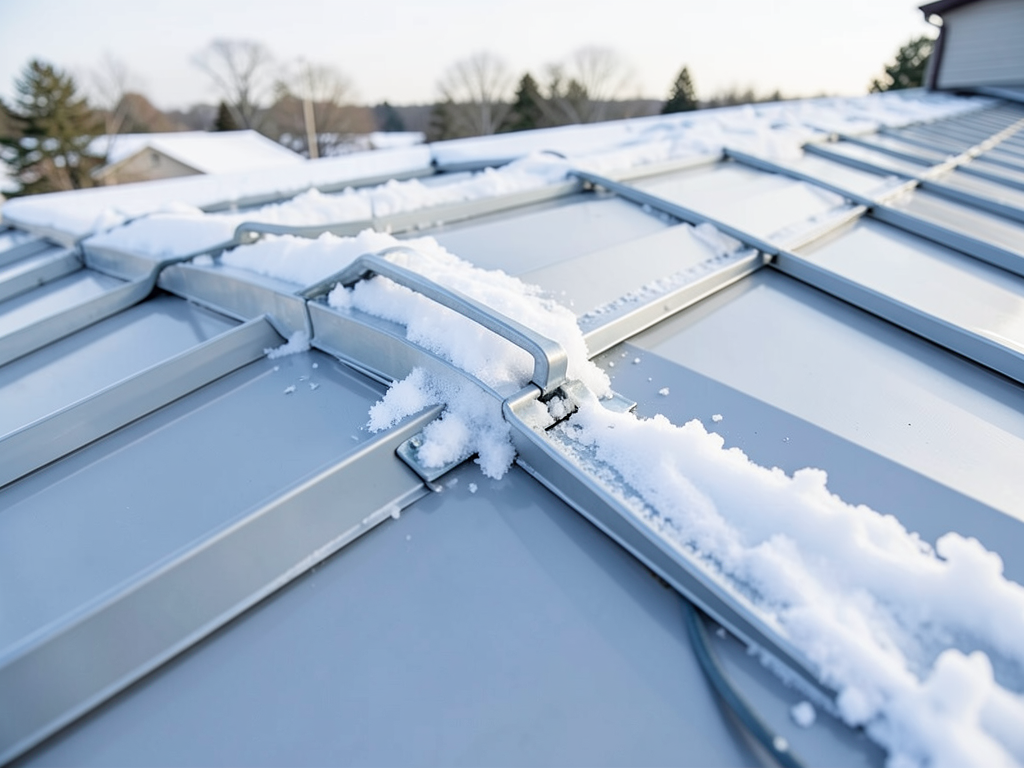
For metal valley repairs, we remove damaged sections completely rather than layering new material over failed flashing. This lets us inspect the decking for rot, replace compromised wood, and install fresh ice and water shield before setting new flashing. We use corrosion-resistant metals appropriate for St. Louis weather and fasten them according to manufacturer specifications.

Repairing damaged roof valleys often means addressing problems beyond the valley itself. If we find shingle damage extending up the roof plane, we replace those sections to create a watertight seal. If the decking shows soft spots or staining, we cut out and sister new material to restore structural integrity.

Sealing roof valley joints requires understanding water flow patterns. We apply sealant at strategic points where capillary action could draw water beneath flashing, but we avoid creating dams that trap moisture. The goal is directing water down and off the roof, not creating new failure points.

We also evaluate whether your gutters contribute to valley problems. Clogged gutters create ice dams in winter that force water back up into valleys. We clean debris, check downspout placement, and recommend gutter improvements if needed to protect your valley repair investment.

What Happens During Your Valley Repair

Valley Leak Repair in St. Louis – Expert Diagnosis and Permanent Fixes for Persistent Roof Leaks
01

Detailed Valley Inspection

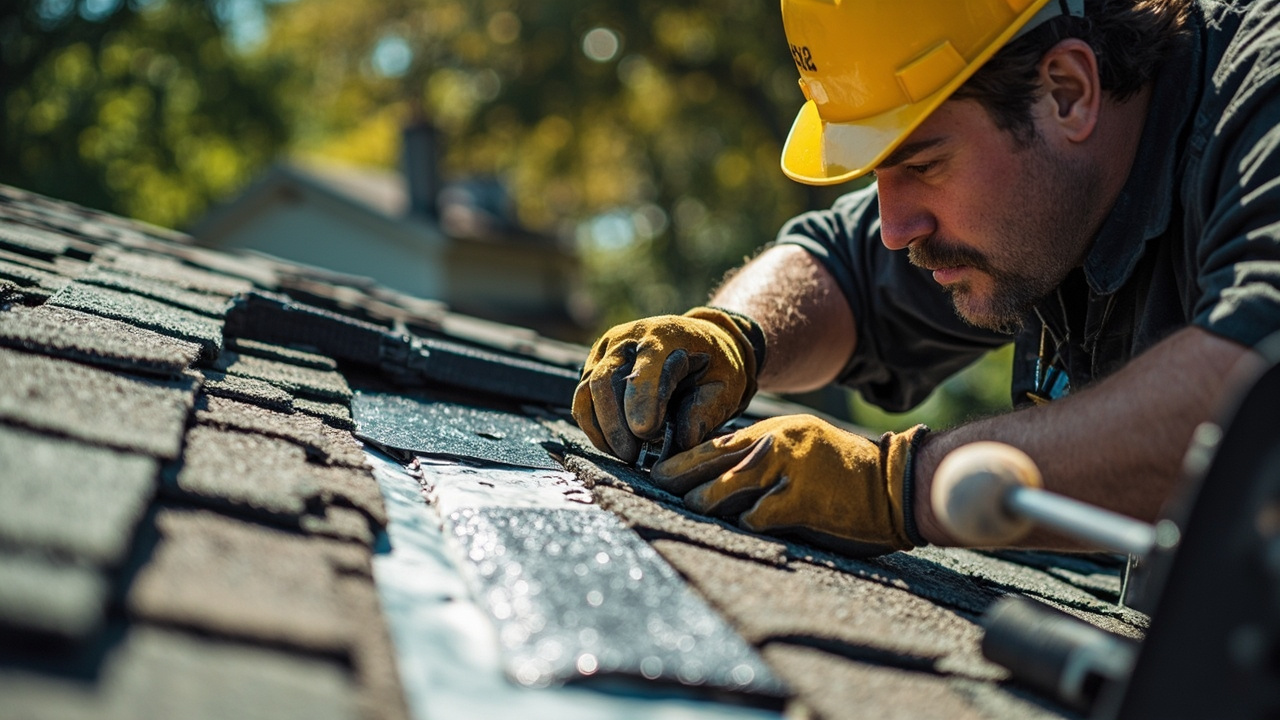
We access your roof to photograph and measure the valley, checking flashing condition, fastener integrity, and shingle placement. We look for rust, separation, or improper overlap that allows water infiltration. Inside your attic, we inspect for water stains, wood rot, or insulation damage that reveals leak history. This diagnostic phase identifies whether you need partial repair or complete valley replacement.
02

Flashing and Decking Repair

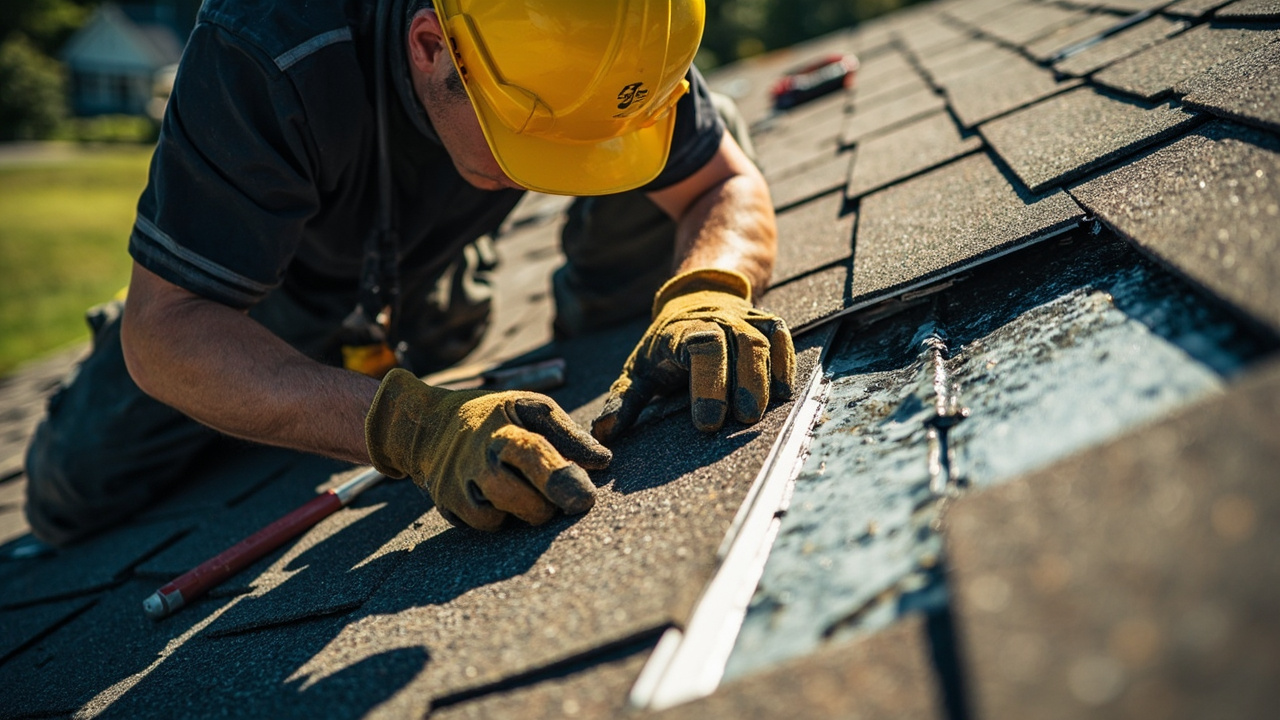
We remove damaged flashing and cut away compromised decking material. Any soft or stained wood gets replaced with properly rated plywood. We install ice and water shield across the entire valley width, extending it up both roof planes for maximum protection. New metal flashing is measured, cut, and fastened according to the valley design your roof requires. We seal all penetrations and overlaps before moving to shingle integration.
03

Waterproofing and Final Testing

Shingles are woven or cut to integrate properly with the new valley flashing, creating overlapping layers that shed water without trapping debris. We apply roofing cement at critical junctions and check that every fastener is sealed. Before leaving, we conduct a water test if weather permits, running a hose along the valley to confirm proper drainage. You receive documentation showing the work completed and materials used.

Why St. Louis Homeowners Trust Pioneer Roofing for Valley Repairs

Valley leak repair separates competent roofers from amateurs. Anyone can smear sealant on visible gaps. Proper repair requires understanding how St. Louis weather interacts with roof geometry and material science.

We have repaired valleys on everything from the brick bungalows in Lindenwood Park to the steep-gabled Victorians in Lafayette Square. Each architectural style presents unique challenges. Historic homes often have custom flashing profiles that require fabrication rather than off-the-shelf solutions. Mid-century ranches frequently have low-slope valleys that demand different waterproofing strategies than steep traditional roofs.

Our crews know St. Louis building practices across decades of construction. We recognize when a valley was installed during the era of asphalt-saturated felt versus modern synthetic underlayment. We understand how different shingle manufacturers specify valley integration and we follow those requirements exactly.

We also communicate clearly about what your valley repair involves. You get photos of the damage, an explanation of what failed, and a detailed scope of repair work before we start. No surprises, no upselling, no pressure to replace your entire roof if valley repair solves the problem.

Many valley leaks happen because previous contractors took shortcuts. We find valleys installed without adequate underlayment, flashing that is too narrow for the roof pitch, or sealant applied as a substitute for proper mechanical fastening. When we repair your valley, we correct these deficiencies so the repair outlasts the surrounding roof.

Pioneer Roofing carries the credentials and training to handle complex valley repairs correctly. We stay current on manufacturer specifications, material science improvements, and installation techniques that extend roof life in Midwest climates.

What to Expect From Your Valley Leak Repair

Repair Timeline and Scheduling

Most valley repairs take one to three days depending on damage extent and weather conditions. We schedule your repair as quickly as possible after inspection, often within the same week for urgent leaks. Our crews arrive on time, work efficiently, and communicate progress throughout the project. If rain delays the work, we install temporary protection to prevent further water damage. You receive a clear timeline upfront so you can plan accordingly. Emergency valley repairs for active leaks get priority scheduling to minimize interior damage to your home.

Comprehensive Valley Assessment

Your initial consultation includes a thorough roof and attic inspection to locate all leak sources. We photograph damage, measure moisture levels in decking and framing, and identify whether the problem extends beyond the valley itself. You receive a written assessment explaining what failed, why it failed, and what repair approach we recommend. This diagnostic process ensures we address root causes rather than symptoms. We check surrounding shingles, underlayment condition, and structural integrity to determine the full scope of necessary repairs before providing a detailed estimate.

Quality Materials and Workmanship

We use corrosion-resistant valley flashing rated for St. Louis weather extremes and match materials to your existing roof system. All underlayment meets or exceeds current building code requirements for ice and water protection. Fasteners are stainless steel or galvanized to prevent rust-through. Sealants are commercial-grade products designed for metal-to-shingle transitions. Our installation follows manufacturer specifications exactly, ensuring your repair integrates seamlessly with surrounding roofing materials. The finished valley sheds water efficiently and blends with your roof aesthetics. You get a repair built to last decades, not just seasons.

Post-Repair Documentation and Support

After completing your valley repair, we provide documentation showing all work performed, materials installed, and photos of the finished repair. This record helps with insurance claims if the original damage involved coverage. We explain proper maintenance to extend your repair longevity, including gutter cleaning schedules and what signs indicate emerging problems. If you notice any issues after repair, we respond quickly to assess whether the concern relates to our work or separate roof areas. Our goal is solving your leak problem permanently, not creating a recurring service relationship.

Frequently Asked Questions

You Have Questions,
We Have Answers

How to fix a leaking valley? +

Fixing a leaking valley requires removing the damaged shingles around the valley area and inspecting the underlayment and flashing beneath. If the metal flashing is rusted, bent, or improperly installed, it must be replaced with new galvanized or aluminum flashing. In St. Louis, freeze-thaw cycles crack sealant and warp flashing over time. A qualified roofer will install ice and water shield beneath new flashing, then weave or cut in replacement shingles to create a watertight seal. Attempting DIY repairs often worsens the problem because improper flashing angles cause water to pool rather than shed.

How much does roof valley repair cost? +

Roof valley repair costs in St. Louis typically depend on the extent of damage, valley type, and accessibility. Minor repairs involving resealing or replacing a few shingles and flashing sections cost less than full valley reconstruction. Open metal valleys require more material and labor than woven shingle valleys. Steep pitches, multi-story homes, and older roofs with hidden rot increase costs. St. Louis homes with closed valleys on aging roofs often need more extensive work because moisture damage spreads beneath shingles before becoming visible. Always get a detailed inspection before accepting estimates to avoid surprise costs.

How much does it cost to repair a valley on a roof? +

The cost to repair a valley on a roof varies based on damage severity, materials, and roof complexity. Small flashing repairs run lower than replacing entire valley sections with new underlayment and shingles. In St. Louis, heavy spring rains and winter ice damming accelerate valley deterioration, sometimes requiring structural deck repairs beneath the flashing. Factors like roof pitch, height, and accessibility affect labor costs. Homes in historic districts like Lafayette Square may need matching materials that increase expenses. Request itemized quotes that separate material costs from labor to understand what you are paying for.

Can heavy rain cause roof valley leaks? +

Yes, heavy rain absolutely causes roof valley leaks when flashing is compromised or improperly installed. Valleys channel massive water volume from two roof planes into a narrow trough. In St. Louis, intense summer thunderstorms dump rain faster than damaged valleys can drain, forcing water under shingles and through gaps in flashing. Clogged gutters worsen this by creating backflow into valleys. Older homes with original flashing often develop pinhole rust or separated seams that only leak during downpours. If your ceiling stains after storms but dries between rains, you have a valley problem that needs immediate attention.

How to waterproof a valley? +

Waterproofing a valley starts with proper installation of ice and water shield, a self-sealing membrane that bonds directly to roof decking. This goes down before metal flashing, creating a backup barrier against water intrusion. The flashing itself must be wide enough, overlap correctly, and angle to shed water into gutters rather than allowing pooling. In St. Louis, where freeze-thaw cycles are common, using rubberized underlayment beneath flashing prevents ice dam damage. Shingles must be cut and sealed correctly along valley edges. Professional installation matters because even small gaps compromise the entire waterproofing system.

Is a roof leak covered by homeowners insurance? +

Homeowners insurance typically covers roof leaks caused by sudden, accidental events like storm damage, fallen trees, or hail. However, leaks from gradual wear, deferred maintenance, or age-related deterioration are usually excluded. In St. Louis, insurance adjusters look for wind damage or impact evidence before approving claims. If your valley leaked because flashing rusted over years, expect denial. If a severe thunderstorm lifted shingles and compromised the valley, you have a stronger claim. Document damage immediately with photos, get a professional inspection report, and review your policy's wind and hail deductibles before filing.

Is it normal for a roof to leak in heavy rain? +

No, a properly installed and maintained roof should not leak during heavy rain. If water enters during storms, something is wrong with your roofing system. In St. Louis, intense spring downpours and summer thunderstorms expose weak points like damaged valleys, missing shingles, or failed flashing. Many homeowners ignore small leaks until heavy rain overwhelms compromised areas. While brief wind-driven rain might find tiny gaps, consistent leaking during downpours signals serious problems requiring immediate repair. Waiting causes interior damage, mold growth, and rotted decking that multiply repair costs. Address leaks promptly rather than accepting them as normal.

How much does a roofer charge to fix a leak? +

Roofers in St. Louis charge based on leak location, damage extent, and repair complexity. Simple fixes like replacing a few shingles or resealing flashing cost less than valley reconstruction or extensive rot repair. Emergency repairs during storms command premium rates. Steep roofs, multi-story homes, and difficult access increase labor costs. Reputable contractors provide detailed estimates after thorough inspections rather than quoting over the phone. Be wary of unusually low bids that skip necessary underlayment or flashing work. Quality repairs use proper materials and techniques to prevent recurring leaks, which saves money long-term compared to cheap patches.

What time of year is the cheapest to replace a roof? +

Late fall and winter offer the cheapest roof replacement costs in St. Louis because demand drops after storm season ends. Roofers offer better rates and flexible scheduling between October and February to keep crews working. However, freezing temperatures limit shingle installation because asphalt shingles need warmth to seal properly. Early fall or late winter provide the best balance of lower costs and suitable weather. Avoid peak summer months when storm damage creates backlogs and prices spike. Planning replacement during off-season lets you negotiate better, choose quality contractors who are not rushed, and avoid emergency pricing.

Who is the best person to fix a leaking roof? +

A licensed roofing contractor with valley leak experience is the best choice for fixing a leaking roof in St. Louis. Roofers understand how water flows across roof planes, know proper flashing installation techniques, and can identify hidden damage beneath shingles. General handymen lack specialized knowledge about underlayment systems, valley types, and how St. Louis weather patterns stress roofing materials. Look for contractors familiar with local building codes and regional climate challenges like freeze-thaw cycles and severe thunderstorms. Check references, verify insurance coverage, and request detailed inspection reports before hiring. Proper diagnosis prevents recurring leaks that waste money on repeated repairs.

How St. Louis Weather Accelerates Valley Deterioration

St. Louis sits at a climate crossroads where Gulf moisture meets continental cold fronts, creating weather extremes that destroy valley flashing faster than in most regions. Winter temperatures swing 40 degrees in 24 hours, expanding and contracting metal until fasteners loosen and seams separate. Spring brings severe thunderstorms that dump inches of rain in minutes, overwhelming valleys already compromised by winter damage. Summer heat bakes sealant until it cracks and pulls away from metal surfaces. This constant thermal cycling explains why valleys often fail years before surrounding shingles show wear. Proper roof valley flashing repair in St. Louis must account for these conditions with materials and installation methods that accommodate movement without creating leak paths.

Pioneer Roofing St. Louis has repaired valleys across the metro area, from the historic homes in Central West End to the newer subdivisions in South County. We understand local building practices, recognize common installation defects from different construction eras, and know which material combinations perform best in Midwest humidity. Our crews work on St. Louis roofs year-round, giving us direct experience with how different valley designs handle our weather patterns. When we recommend a repair approach, it comes from observing what actually works long-term in this specific climate, not generic best practices developed for different regions. That local knowledge translates into valley repairs that protect your home through decades of Missouri weather extremes.
Roofing Services in The St. Louis Area

Pioneer Roofing is proud to serve the entire St. Louis metropolitan area and surrounding communities. Our local presence means we are always nearby and ready to respond quickly to your roofing needs, whether you are located in the heart of St. Louis or the greater county. View our location and service radius on the map to confirm we cover your neighborhood and then call us to schedule your service!

Address:
Pioneer Roofing St. Louis, 1031 Lami St, St. Louis, MO, 63104

Additional Services We Offer

Our news updates

Latest Articles & News from The Blogs

Why Your Shingles are Curling Up (And How the St. Louis Humidity is Making it Worse) \n Shingles curling up…

Why Your Shingles are Curling Up (And How the St. Louis Humidity is Making it Worse)

Why Your Shingles are Curling Up (And How the St. Louis Humidity is Making it Worse) \n Shingles curling up…

Preservation-Friendly Roofing Options for the Historic Mansions of Compton Heights

Preservation-Friendly Roofing Options for the Historic Mansions of Compton Heights Compton Heights represents one of St. Louis’s most treasured historic…

How to Estimate the Remaining Life of Your Roof Without Climbing a Ladder

How to Estimate the Remaining Life of Your Roof Without Climbing a Ladder Standing on your roof can be dangerous…

Contact Us

Valley leaks worsen with every rain. Call Pioneer Roofing St. Louis at (314) 417-7774 for a thorough inspection and permanent repair solution. We diagnose the problem correctly and fix it right the first time.