
menu

Metal Roof vs Asphalt Shingles Cost in St. Louis – Get the Real Numbers Before You Decide

Compare metal roofing vs asphalt shingles price, lifecycle costs, and performance factors specific to St. Louis's climate so you can make a smart investment decision for your home.

Slider Image 1
Slider Image 2
Slider Image 3
Slider Image 4
Slider Image 5
Slider Image 7
Slider Image 8
Slider Image 9
Slider Image 10
Slider Image 11

Why St. Louis Homeowners Need Honest Price Comparisons Between Metal and Asphalt Roofing

You are trying to figure out if metal roofing is worth the upfront cost compared to asphalt shingles. The price difference between metal and asphalt roof installations can feel confusing when you are comparing quotes that range from a few thousand to tens of thousands.

St. Louis's climate makes this decision more complicated than national roofing guides suggest. The Gateway City experiences freeze-thaw cycles that crack asphalt shingles prematurely, summer heat that degrades granule adhesion, and high humidity that accelerates algae growth on organic-based roofing. Metal roofs handle temperature swings better because thermal expansion is predictable and flashing systems accommodate movement.

The metal roof vs shingle roof pricing gap exists for structural reasons. Standing seam metal roofing requires specialized labor, custom fabrication for valleys and penetrations, and underlayment systems designed for low-slope applications. Asphalt shingles use standardized dimensions and faster nail-gun installation that reduces labor hours.

When you look at metal vs asphalt roofing cost comparison data, most sources cite upfront figures but ignore replacement intervals. Architectural asphalt shingles in St. Louis typically last 18 to 22 years before granule loss and thermal damage require replacement. Metal roofing regularly exceeds 40 years with minimal maintenance beyond gutter cleaning and fastener inspections.

The price comparison metal roof vs asphalt shingles also changes when you factor in cooling costs. Metal roofing with reflective coatings reduces attic temperatures by 15 to 25 degrees compared to dark asphalt, which translates to measurable reductions in summer energy bills for homes in South City, Clayton, and Webster Groves.

You need accurate numbers that account for St. Louis's weather patterns, not generic national averages.

Why St. Louis Homeowners Need Honest Price Comparisons Between Metal and Asphalt Roofing
How Material Performance Drives the Cost Difference Between Metal and Asphalt Roofing Systems

How Material Performance Drives the Cost Difference Between Metal and Asphalt Roofing Systems

The cost difference between metal and asphalt roof installations reflects material durability, not just aesthetic preference. Asphalt shingles use a fiberglass mat coated with asphalt and ceramic granules. The granules protect the asphalt layer from UV degradation, but they shed over time through rain runoff and hail impact. Once granule loss exposes the asphalt substrate, the material becomes brittle and cracks.

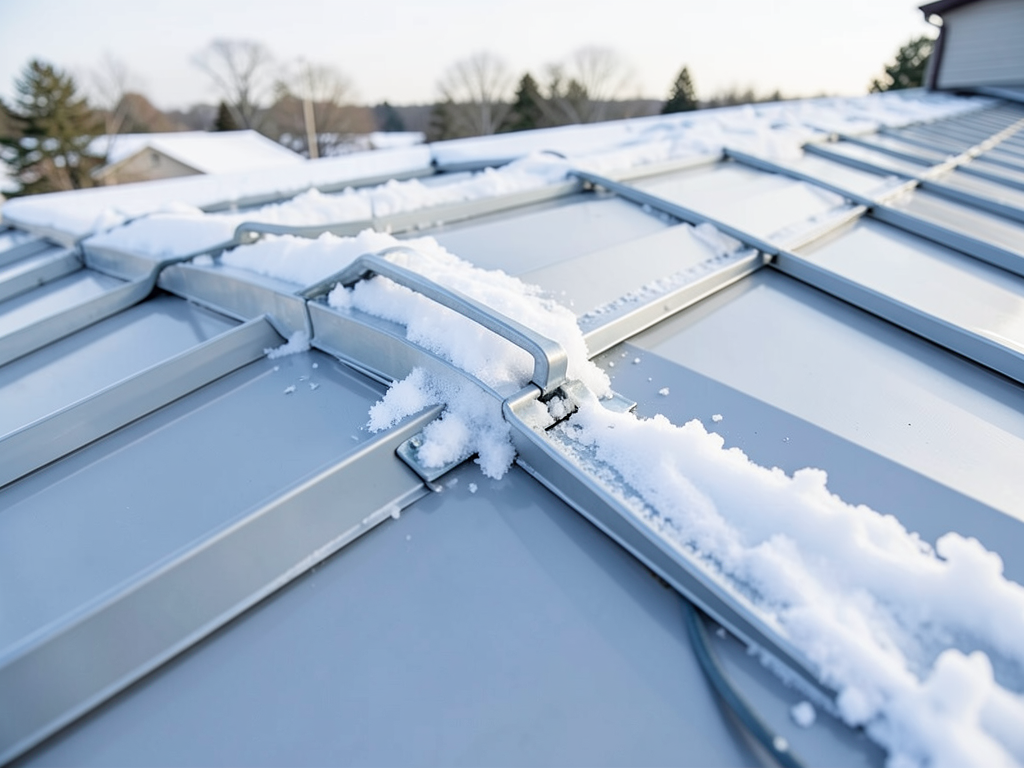
Metal roofing uses galvanized steel or aluminum panels with baked-on finishes or stone-coated surfaces. The metal substrate does not degrade from UV exposure. Corrosion resistance depends on the coating system, which is why Kynar 500 or similar PVDF finishes add cost but extend lifespan. Standing seam systems use concealed fasteners that eliminate puncture points where water infiltrates.

St. Louis homeowners often underestimate wind uplift forces during spring storm systems. Asphalt shingles rely on adhesive strips and nail penetration for wind resistance. Metal panels interlock mechanically and attach through clips that allow thermal movement without compromising attachment strength. This engineering difference explains why metal roofing performs better in wind events above 60 mph.

Thermal performance also impacts long-term value. Asphalt shingles absorb solar radiation and transfer heat directly into attic spaces. This heat transfer increases cooling loads during July and August when St. Louis temperatures regularly exceed 90 degrees with high humidity. Metal roofing with air gaps between the panel and decking creates a thermal break that reduces radiant heat transfer.

The installation complexity for metal roofing requires trained crews who understand flashing details, thermal expansion coefficients, and panel layout geometry. This specialization increases labor costs but prevents the installation errors that lead to leaks around chimneys, skylights, and wall transitions.

What Happens During a Metal vs Asphalt Roofing Cost Analysis

Metal Roof vs Asphalt Shingles Cost in St. Louis – Get the Real Numbers Before You Decide
01

Roof Inspection and Measurement

A qualified estimator measures your roof slope, calculates square footage, and documents existing conditions like decking damage or inadequate ventilation. Accurate measurements determine material quantities and identify structural issues that affect installation costs. Slope measurements are critical because low-slope applications require different underlayment systems and panel profiles. The estimator photographs penetrations, valleys, and transitions that require custom flashing fabrication for metal roofing or specialty shingles for asphalt installations.
02

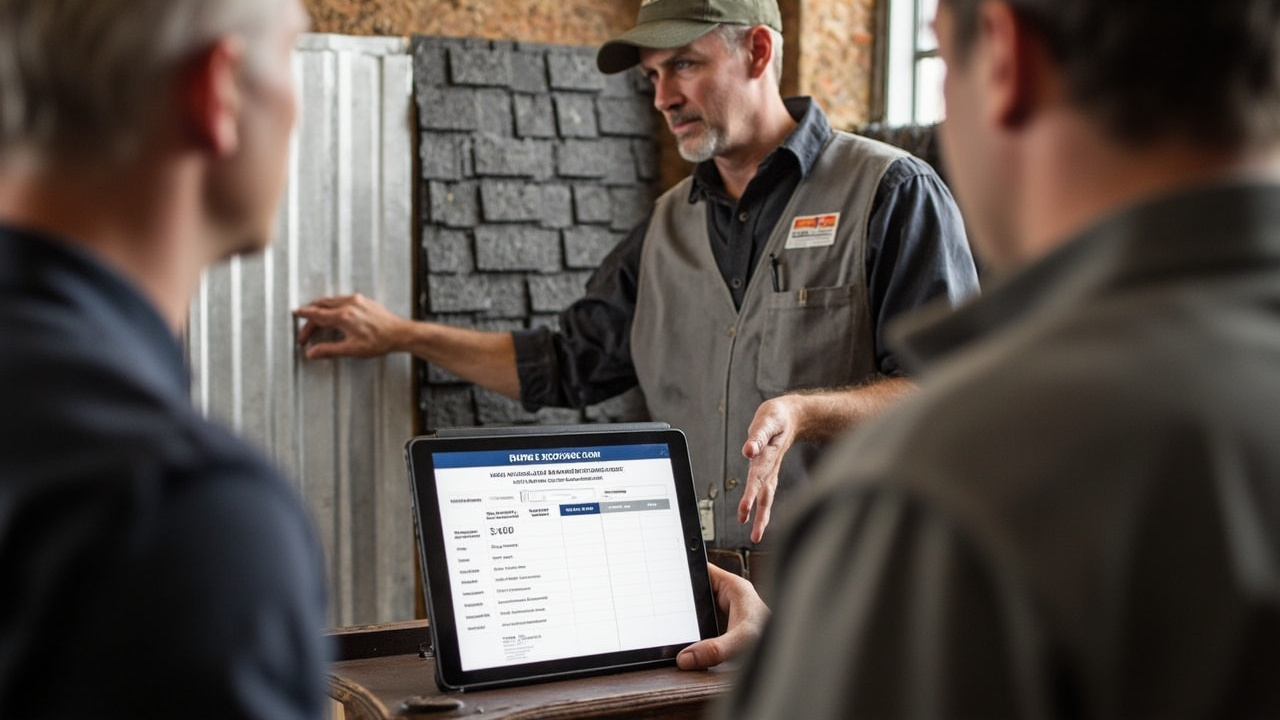
Material Specification and Pricing

You receive detailed quotes that break down material costs, labor rates, and disposal fees for both metal and asphalt options. Metal roofing quotes specify gauge thickness, coating type, panel profile, and fastening method. Asphalt quotes identify shingle weight, wind rating, and warranty coverage. The comparison includes underlayment systems, which differ significantly between metal installations that use synthetic felt or peel-and-stick membranes versus asphalt installations that use standard felt paper. Accurate pricing includes trim packages, ventilation components, and ice-and-water shield requirements for St. Louis building codes.
03

Lifecycle Cost Projection

The final analysis projects total ownership costs over a 30-year period, including replacement intervals, maintenance requirements, and energy savings. Metal roofing shows higher initial investment but lower lifecycle costs when you account for a single installation versus two asphalt replacements. The projection factors in St. Louis property values, resale considerations, and insurance premium adjustments for impact-resistant roofing. You receive a clear breakdown that lets you compare upfront affordability against long-term value, helping you make a decision based on your budget timeline and home ownership plans.

Why Pioneer Roofing St. Louis Provides Accurate Cost Comparisons Without Sales Pressure

You need honest numbers from contractors who understand St. Louis building conditions, not national sales pitches. Pioneer Roofing St. Louis specializes in both metal and asphalt installations, which means we do not push one material over another based on commission structures.

Our estimators know that homes in the Central West End require different considerations than ranch homes in Affton or two-story colonials in Kirkwood. Historic district homes near Lafayette Square face design review requirements that affect material choices. Subdivisions in West County often have HOA restrictions on metal roofing colors or profiles. We account for these local factors in every estimate.

St. Louis building codes require specific underlayment and flashing details that affect installation costs. Metal roofing installations must meet wind uplift ratings for the Gateway City's storm exposure category. Asphalt installations require proper ventilation ratios to prevent premature shingle failure from attic heat buildup. We follow these code requirements without cutting corners that create callback issues or void manufacturer warranties.

The cost difference between metal and asphalt roof systems also depends on your existing decking condition. Homes built before 1980 often have spaced wood decking that requires solid sheathing installation before metal roofing. Asphalt shingles can install over spaced decking with minimal prep work. We identify these structural factors during inspection so your quote reflects actual project scope, not low-ball estimates that balloon during installation.

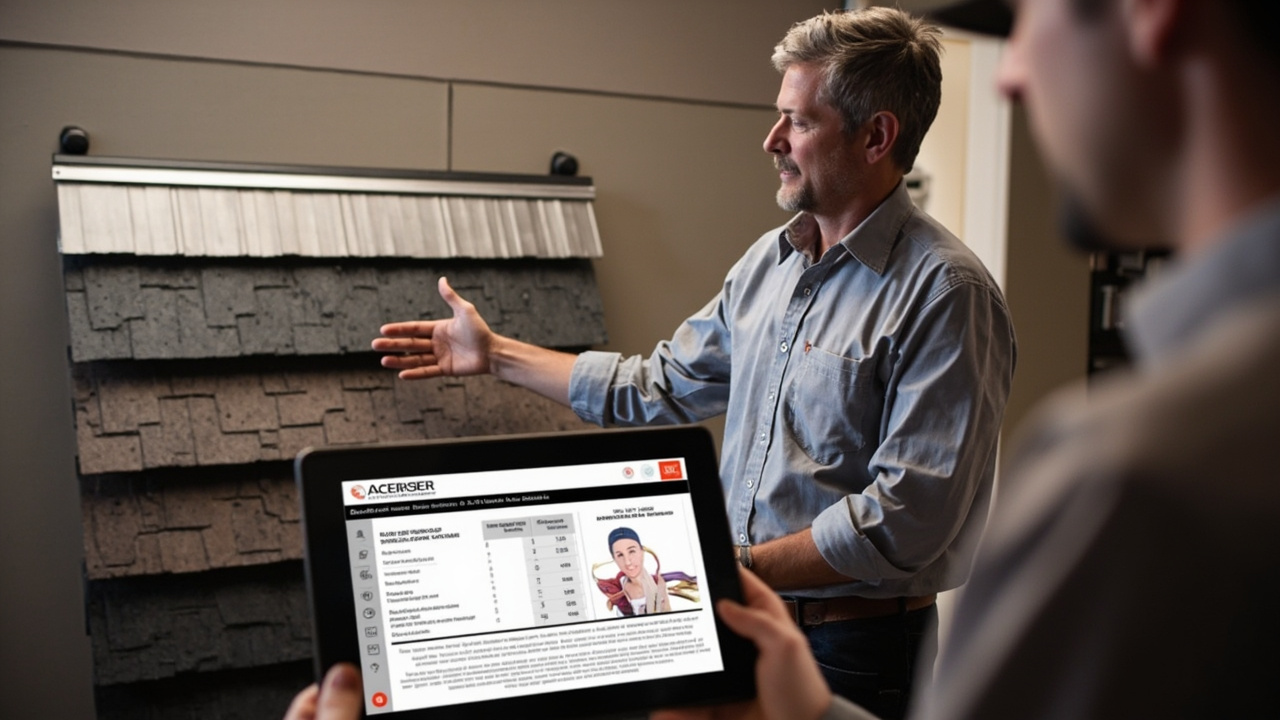
We provide material samples, manufacturer warranty documentation, and references from recent projects in your neighborhood. You see exactly what you are paying for and why certain systems cost more based on engineering requirements, not marketing hype.

What Your Metal vs Asphalt Roofing Cost Analysis Includes

Same-Day Estimate Scheduling

You receive an inspection appointment within 24 to 48 hours of contact. Our estimators arrive on time with measurement tools, material samples, and access to real-time pricing for both metal and asphalt systems. The inspection takes 45 to 90 minutes depending on roof complexity. You get a detailed written quote within 24 hours that breaks down material costs, labor rates, and project timeline for both roofing options. We do not require deposits for estimates, and there is no obligation to move forward if the pricing does not fit your budget.

Transparent Line-Item Pricing

Your quote separates material costs from labor charges so you understand where your money goes. Metal roofing quotes specify panel type, gauge thickness, coating system, and fastener type. Asphalt quotes identify shingle brand, weight class, and wind rating. We itemize underlayment, flashing, ventilation components, and waste disposal fees. The comparison shows you exactly why metal roofing costs more upfront but potentially less over time. We explain cost factors like decking repairs, permit fees, and dumpster rental without hiding charges in vague line items. You see the full scope before signing any contract.

Performance Data for St. Louis Climate

You receive documentation showing how each material performs in St. Louis's temperature extremes, humidity levels, and storm patterns. We provide manufacturer test data for wind uplift ratings, impact resistance, and thermal efficiency. Metal roofing specifications include expansion coefficients and fastener load ratings. Asphalt shingle data covers granule adhesion standards and thermal cycling test results. We explain how freeze-thaw cycles affect shingle lifespan and why metal roofing handles ice dam conditions better than organic-based materials. The performance comparison helps you understand value beyond initial price differences.

Warranty Coverage Comparison

Your analysis includes manufacturer warranties, labor warranties, and coverage limitations for both roofing types. Metal roofing typically carries 40-year finish warranties and 30-year perforation warranties. Asphalt shingles offer prorated coverage that decreases over time, with full replacement coverage limited to the first 10 to 15 years. We explain how installation quality affects warranty validity and what maintenance requirements keep coverage active. You understand exactly what protection you receive for your investment and how warranty terms differ between metal and asphalt systems. We provide warranty documents in writing so you can review coverage details before making a final decision.

Frequently Asked Questions

You Have Questions,
We Have Answers

Is it cheaper to get a metal roof or shingles? +

Asphalt shingles cost less upfront. You pay more initially for metal roofing, but the total investment shifts when you factor in lifespan. Asphalt shingles in St. Louis last 15 to 20 years due to freeze-thaw cycles and summer heat. Metal roofs last 40 to 70 years. You replace shingles two or three times while a metal roof stays put. Metal also cuts cooling costs during humid St. Louis summers. If you plan to stay in your home long term, metal saves money over time. Shingles make sense if you need lower upfront costs or plan to move soon.

What is the downside to a metal roof? +

Metal roofs cost more upfront than asphalt. Noise during rainstorms concerns some homeowners, though proper insulation minimizes this issue. Denting can occur with softer metals like aluminum if hail hits hard, a real risk during St. Louis spring storm season. Expansion and contraction from temperature swings require proper fastener systems to prevent panel movement. Oil canning, a waviness in flat panels, happens with thinner gauges. Installation errors cause most problems. Hire experienced contractors familiar with St. Louis climate conditions. Color fading occurs over decades with cheaper coatings. These downsides matter less when you choose quality materials and skilled installers.

How much would it cost to put a metal roof on a 1000 square foot house? +

For a 1000 square foot house in St. Louis, metal roofing costs depend on material type and roof complexity. Standing seam metal runs higher than corrugated panels. Expect significant variation based on roof pitch, number of penetrations, and flashing details. Historic neighborhoods in St. Louis often have steeper pitches that add labor costs. Material choice matters. Steel costs less than aluminum or copper. Your existing roof structure may need reinforcement since metal weighs differently than shingles. Multiple chimneys or skylights increase installation time. Get quotes from local contractors who understand St. Louis building requirements. They assess your specific roof geometry and code compliance needs.

Do insurance companies like metal roofs? +

Insurance companies often favor metal roofs. Many insurers offer premium discounts because metal resists fire, wind, and hail damage better than asphalt shingles. This matters in St. Louis, where severe storms and high winds occur regularly. Metal roofs carry Class A fire ratings and wind ratings up to 140 mph when installed correctly. Some policies reduce premiums by 5 to 15 percent for metal roofing. Check with your specific insurance carrier before installation. They may require documentation of material ratings and professional installation. The discount varies by company and coverage type. Metal roofs also reduce claims, which insurers appreciate long term.

Why not put metal roof over shingles? +

You should not install metal roofing over shingles in most cases. Trapped moisture between layers causes rot and mold in St. Louis's humid climate. The existing shingle layer hides deck damage you need to address before new roofing goes on. Uneven surfaces from old shingles create oil canning in metal panels. Building codes in St. Louis limit the number of roof layers allowed. Warranties from metal roofing manufacturers often require installation over solid decking, not shingles. The added weight stresses roof framing. Removing old shingles lets you inspect and repair the deck, install proper underlayment, and ensure your metal roof performs correctly for decades.

What is the cheapest roof to install? +

Three tab asphalt shingles cost the least to install. You pay less for materials and labor compared to architectural shingles or metal roofing. These basic shingles work for straightforward roof designs common in many St. Louis neighborhoods. They last 15 to 20 years in local weather conditions. The tradeoff comes in durability and longevity. Cheaper shingles need replacement sooner, especially after harsh winters with freeze-thaw cycles. They offer fewer wind and impact resistance features. If budget constraints matter most right now, three tab shingles get the job done. Consider the long term replacement cycle when you calculate true costs over your ownership period.

How much does it cost to put a metal roof on a 2000 sq ft house in Louisiana? +

This question asks about Louisiana, not St. Louis. For a 2000 square foot house in St. Louis, metal roofing costs vary significantly by material and installation complexity. Standing seam steel costs more than corrugated panels. Roof pitch, penetrations, and flashing details affect labor costs. St. Louis homes with complex rooflines or multiple chimneys increase installation time. Material gauge and coating quality change the price range. Local building code requirements and permit fees add to the total. Hurricane rated fasteners required in Louisiana do not apply here. Get estimates from St. Louis contractors who understand Midwest climate demands, not Gulf Coast specifications. Local experience matters for accurate pricing.

Do metal roofs leak more than shingles? +

Metal roofs leak less than shingles when installed correctly. Leaks come from poor installation, not the material itself. Standing seam metal has fewer penetrations than shingle nails, reducing failure points. Shingles in St. Louis deteriorate from freeze-thaw cycles, creating gaps where water enters. Metal expands and contracts, so proper fastener systems and flashing details matter enormously. Valleys and penetrations cause most metal roof leaks when installers cut corners. Shingles leak when wind lifts tabs or granules wash away. Both systems need professional installation. Metal roofs installed by experienced contractors who understand thermal movement outperform shingles for watertight performance over decades.

Can a tornado take off a metal roof? +

Tornadoes can remove any roof, including metal. No roofing material withstands direct tornado strikes with extreme wind speeds. Metal roofs perform better than asphalt shingles in high winds below tornado thresholds. Properly installed metal roofing resists winds up to 140 mph, while basic shingles fail around 90 mph. This matters during severe thunderstorms common in St. Louis, which produce straight line winds without tornado rotation. Metal panels attach with concealed fasteners that hold better than exposed shingle nails. The interlocking design adds strength. Metal roofs stay intact during most storm events that would strip shingles. They cannot survive direct tornado impacts where nothing stays attached.

How much to put a metal roof on a 1500 square foot house? +

For a 1500 square foot house in St. Louis, metal roofing costs vary by material type and roof complexity. Standing seam systems cost more than corrugated or ribbed panels. Roof pitch affects labor requirements. Steeper roofs common in older St. Louis neighborhoods increase installation time. Material choice matters significantly. Steel costs less than aluminum, copper, or zinc. Your roof may need structural assessment since metal weighs differently than shingles. Penetrations like chimneys, skylights, and vents add flashing labor. Local contractors familiar with St. Louis building codes provide accurate estimates. They evaluate your specific roof geometry, material preferences, and any structural modifications needed for proper installation.

How St. Louis's Humidity and Temperature Swings Affect Metal Roof vs Asphalt Shingles Cost Decisions

St. Louis sits at the confluence of the Mississippi and Missouri Rivers, creating high humidity levels that accelerate organic material degradation. Summer dew points regularly exceed 70 degrees, which promotes algae growth on asphalt shingles and shortens their functional lifespan. Winter temperatures drop below freezing for extended periods, creating ice dams that lift shingle edges and allow water infiltration. Metal roofing sheds snow and ice more effectively because the smooth surface and minimal friction prevent accumulation. The price comparison between metal roof vs asphalt shingles must account for replacement intervals shortened by St. Louis's climate patterns, not just national average lifespans.

Pioneer Roofing St. Louis operates throughout the metro area, from Florissant to Fenton and Chesterfield to South County. We understand local building code requirements administered by St. Louis County and municipal inspectors in Clayton, University City, and Kirkwood. Our crews know which neighborhoods have HOA restrictions on metal roofing colors and which historic districts require design review approval. This local expertise prevents project delays and ensures your installation meets all regulatory requirements. We source materials from regional suppliers, which reduces lead times and keeps costs predictable. When you work with contractors who know St. Louis, you get accurate pricing and reliable timelines.
Roofing Services in The St. Louis Area

Pioneer Roofing is proud to serve the entire St. Louis metropolitan area and surrounding communities. Our local presence means we are always nearby and ready to respond quickly to your roofing needs, whether you are located in the heart of St. Louis or the greater county. View our location and service radius on the map to confirm we cover your neighborhood and then call us to schedule your service!

Address:
Pioneer Roofing St. Louis, 1031 Lami St, St. Louis, MO, 63104

Additional Services We Offer

Our news updates

Latest Articles & News from The Blogs

DaVinci Roofscapes vs Natural Slate (Deciding for Your Frontenac or Huntleigh Home) Frontenac and Huntleigh homeowners face a unique decision…

DaVinci Roofscapes vs Natural Slate (Deciding for Your Frontenac or Huntleigh Home)

DaVinci Roofscapes vs Natural Slate (Deciding for Your Frontenac or Huntleigh Home) Frontenac and Huntleigh homeowners face a unique decision…

Managing Shared Rooflines and Repairs for Lindenwood Park Duplexes

Managing Shared Rooflines and Repairs for Lindenwood Park Duplexes Living in a duplex in Lindenwood Park means sharing more than…

Efficient Roof Replacement Strategies for Shrewsbury Mid Century Bungalows

Expert Bungalow Roof Replacement in Shrewsbury, MO When you own a mid-century bungalow in Shrewsbury, your roof faces unique challenges…

Contact Us

Call Pioneer Roofing St. Louis at (314) 417-7774 for a detailed cost analysis that shows real numbers for your home. We provide transparent pricing, performance data, and honest recommendations based on your budget and goals. Schedule your inspection now.