menu

Class 4 Impact Resistant Shingles in St. Louis – Complete Guide to UL 2218 Hail Protection for Your Roof

Everything St. Louis homeowners need to know about Class 4 impact resistant shingles, from UL 2218 testing standards to insurance discounts, installation requirements, and how hail-rated roofing protects your home in Missouri's severe weather corridor.

Slider Image 1
Slider Image 2
Slider Image 3
Slider Image 4
Slider Image 5
Slider Image 7
Slider Image 8
Slider Image 9
Slider Image 10
Slider Image 11

Why Class 4 Shingles Matter in St. Louis's Hail Zone

St. Louis sits squarely in the Midwest hail belt. Between March and June, severe thunderstorms drop hail across the metro area with enough frequency that insurance companies track loss ratios by ZIP code. A single hail event can shred standard architectural shingles, punch holes through ridge vents, and crack flashing seals around chimneys and skylights.

Class 4 impact resistant shingles are engineered to withstand impacts from 2-inch diameter steel balls dropped from 20 feet during UL 2218 testing. That translates to real-world protection against golf ball to baseball-sized hail, the most common destructive sizes in Missouri. The rubberized asphalt mat in IR shingles absorbs impact energy instead of cracking like standard fiberglass-backed shingles.

The benefits extend beyond storm protection. Most carriers offer 20 to 35 percent premium discounts on homeowners policies when you install UL 2218 Class 4 shingles. Over a 20-year roof lifespan, that discount can offset the higher material cost. You also avoid the disruption and deductible expense of premature roof replacement after hail damage.

St. Louis building codes do not mandate impact rated shingles, but the climate argument is clear. The National Weather Service documented 47 hail events in St. Louis County alone between 2018 and 2023. Homes in Chesterfield, Ballwin, and West County neighborhoods face repeated exposure. Class 4 roofing materials are not optional upgrades anymore. They are baseline protection for your largest investment.

Why Class 4 Shingles Matter in St. Louis's Hail Zone
How Impact Resistant Shingles Work and What Makes Them Different

How Impact Resistant Shingles Work and What Makes Them Different

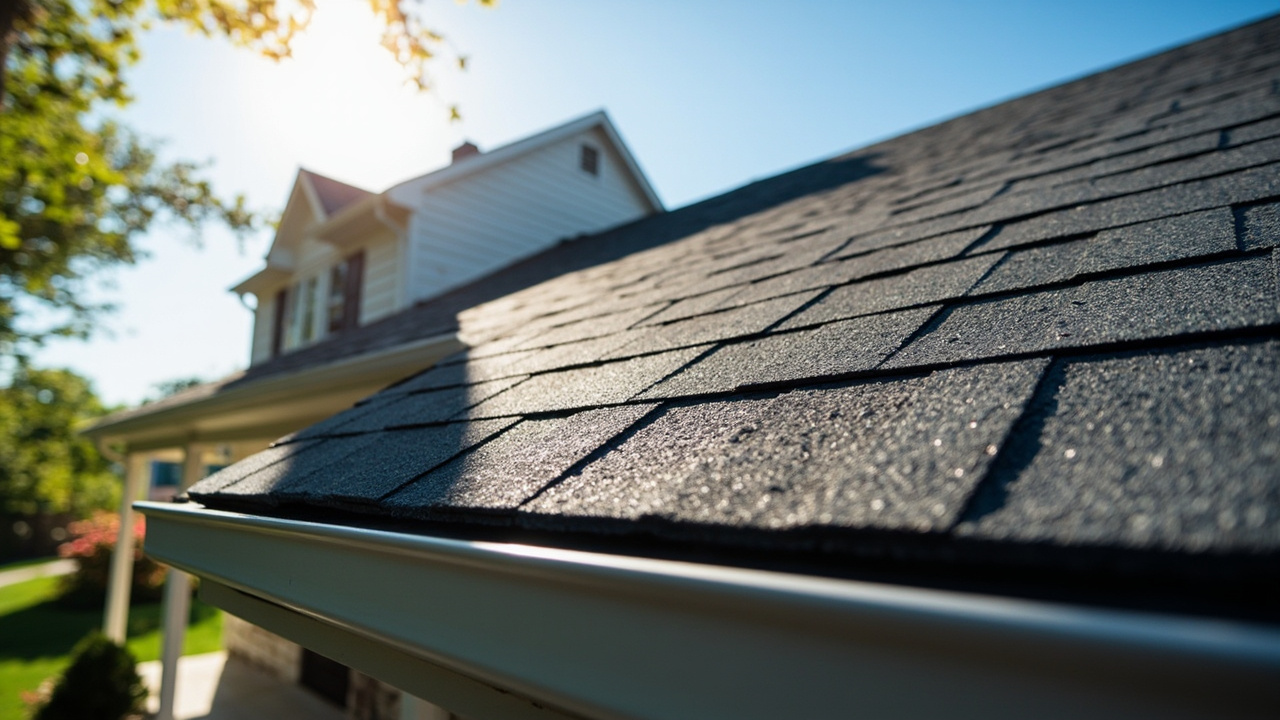
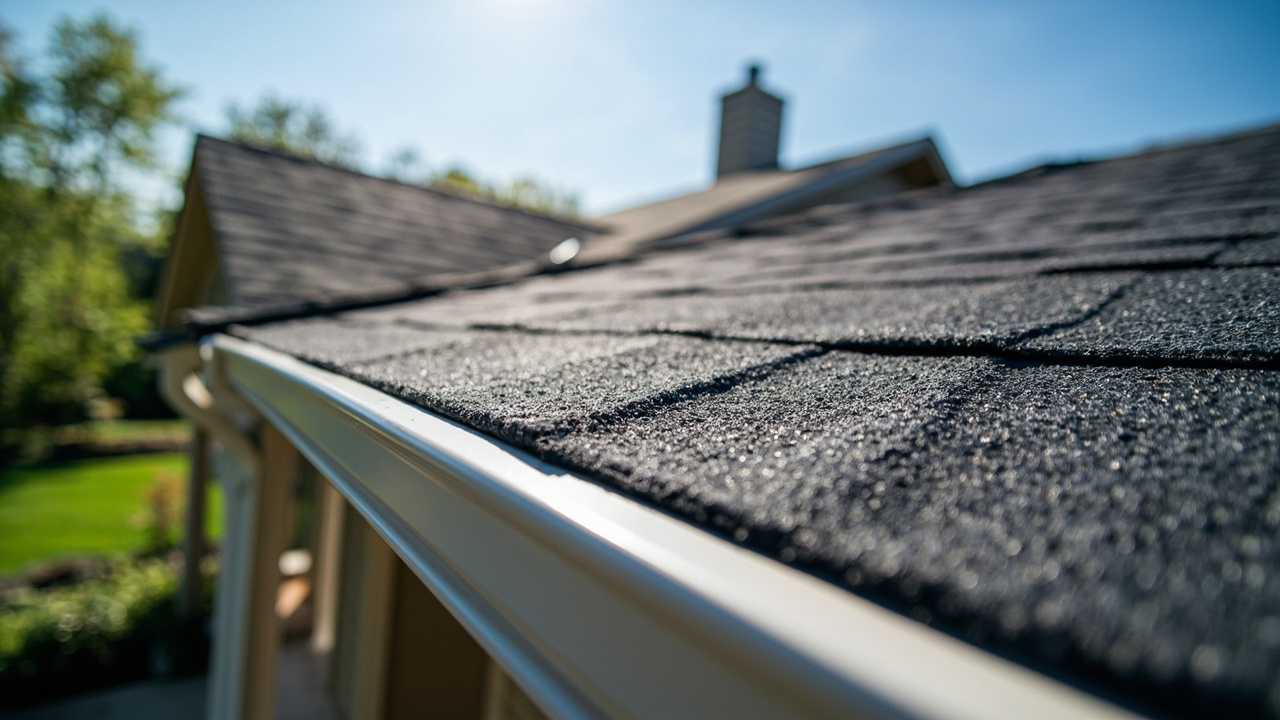
Standard architectural shingles use a fiberglass mat coated with asphalt and ceramic granules. When hail strikes, the rigid mat cracks, breaking the waterproof seal. Water infiltrates through the fracture, soaking the decking and insulation below.

Class 4 shingles replace the fiberglass mat with a styrene-butadiene-styrene polymer-modified asphalt core. This rubberized layer flexes on impact, distributing kinetic energy across a wider area instead of concentrating stress at a single fracture point. The shingle dents slightly but does not crack. The waterproof barrier stays intact.

UL 2218 testing drops a 2-inch steel ball from 20 feet onto the shingle surface twice in the same spot. Class 4 shingles show no tears, splits, or mat ruptures after both impacts. Class 3 shingles fail after the second hit. Class 1 and 2 materials fail immediately.

The polymer modification also increases tensile strength, making hail resistant shingles more resistant to wind uplift. In storm-prone areas like St. Louis, this dual protection matters. Tornadoes and severe straight-line winds often precede hail, loosening shingles before the ice arrives. IR shingles stay locked to the deck better than standard products.

Weight is another factor. Impact rated shingles weigh 20 to 30 percent more than standard shingles due to the thicker mat. Your roof deck must support the additional load. Most residential structures in St. Louis have adequate framing, but older homes with skip sheathing or undersized rafters may need structural evaluation before installation. Pioneer Roofing St. Louis assesses deck capacity during every Class 4 estimate to avoid surprises mid-project.

What to Expect When Upgrading to Class 4 Shingles

Class 4 Impact Resistant Shingles in St. Louis – Complete Guide to UL 2218 Hail Protection for Your Roof
01

Roof Deck Inspection

Before installation begins, your contractor inspects the roof deck for structural integrity. Class 4 shingles weigh more than standard materials, so the deck must handle the load. Damaged or sagging decking gets replaced with 7/16-inch OSB or 1/2-inch plywood. Fastener spacing and rafter span calculations ensure code compliance. This step prevents future deflection or shingle cracking caused by inadequate support.
02

Underlayment and Flashing Upgrade

Impact resistant shingles require matching underlayment for full system performance. Synthetic underlayment rated for high-wind zones replaces felt paper. Self-adhering ice and water shield covers valleys, eaves, and penetrations. Step flashing around chimneys and sidewalls gets replaced or resealed. Drip edge and rake metal get fastened to prevent wind-driven rain infiltration. The underlayment layer is your secondary defense when hail strikes.
03

Installation and Final Inspection

Installers follow manufacturer nailing patterns to maintain UL 2218 Class 4 rating. Six nails per shingle, placed in the adhesive strip zone, ensure proper wind resistance. Hip and ridge caps use impact resistant materials to match the field shingles. After installation, your contractor documents the work with photos and material certifications for your insurance carrier. You receive a certificate confirming Class 4 installation, which you submit for your premium discount.

Why Local Expertise Matters for Class 4 Installations in St. Louis

Installing hail resistant shingles requires more than following basic roofing procedures. Manufacturer certifications matter. GAF, Owens Corning, and CertainTeed all require contractors to complete factory training on polymer-modified shingle installation. Nailing patterns differ from standard shingles. Over-driving fasteners crushes the rubberized mat, voiding the impact rating. Under-driving creates wind uplift risk.

St. Louis-specific challenges add complexity. The metro area's clay soil expands and contracts with moisture changes, causing foundation settlement and roof deck deflection. A roof that passes inspection in June may show stress cracks by February after freeze-thaw cycles. Experienced contractors account for this movement by using flexible flashing techniques and allowing expansion gaps at ridges and hips.

Insurance claim support is another local advantage. When hail damages your roof, adjusters look for installation defects to deny claims. Improper fastener placement, missing underlayment, or incorrect ventilation all become denial reasons. Contractors familiar with Missouri claim procedures document installations with timestamped photos, material receipts, and compliance certificates. This documentation protects your investment when you file.

Pioneer Roofing St. Louis works directly with major carriers operating in the metro area. We know what Shelter, State Farm, and American Family adjusters require for Class 4 verification. We provide the certifications and installation records that expedite approval and maximize your discount. You avoid the back-and-forth appeals process that delays other homeowners.

Local suppliers also matter. Class 4 shingles are specialty products. Big box stores do not stock them. Regional distributors in Earth City and Fenton carry limited inventory. Contractors with supplier relationships secure materials faster and pass volume pricing to you.

What You Need to Know Before Installing Class 4 Shingles

Cost and Return on Investment

Class 4 shingles cost more upfront than standard architectural shingles. The polymer-modified asphalt mat increases material expense. Installation labor runs slightly higher due to weight and specialized fastening requirements. However, insurance premium discounts offset much of the cost difference. A 25 percent discount on a typical St. Louis homeowners policy saves hundreds annually. Over a 20-year roof life, the discount often exceeds the material premium. You also avoid deductible costs and interior damage repairs after hail events. The return on investment becomes clear after the first severe storm season.

Manufacturer Options and Color Selection

Multiple manufacturers produce UL 2218 Class 4 shingles, each with different aesthetic options and warranty terms. GAF Timberline HDZ, Owens Corning Duration Storm, and CertainTeed Integrity are the most common lines in St. Louis. Color selection is more limited than standard shingles, but all major tones are available. Darker colors like charcoal and slate absorb more heat, which can increase attic temperatures in summer. Lighter colors like driftwood and weathered wood reflect heat better. Your contractor should show you installed samples on homes in your neighborhood before you commit to a color.

Installation Timeline and Weather Considerations

A typical residential roof replacement takes two to three days for Class 4 shingles. The heavier material slows installation slightly compared to standard products. Weather delays are common in spring when hail risk peaks. Shingles must be installed above 40 degrees for proper adhesive activation. Rain and high wind halt work immediately. Your contractor should provide a weather contingency plan and protect exposed decking with tarps if delays occur. Fall installations between September and November offer the most predictable weather windows in St. Louis.

Warranty Coverage and Maintenance Requirements

Impact resistant shingles carry the same material warranties as standard architectural shingles, typically limited lifetime coverage for defects. The Class 4 impact rating does not guarantee hail damage will never occur, only that the shingles meet UL 2218 testing standards. Some manufacturers offer enhanced wind warranties up to 130 mph when installed as a complete system with matching underlayment and ventilation. Annual inspections catch minor issues before they become leaks. Clean gutters and trim overhanging branches to prevent debris accumulation and abrasion damage that can degrade the impact resistance over time.

Frequently Asked Questions

You Have Questions,
We Have Answers

Do insurance companies give discounts for class 4 shingles? +

Yes, most insurance carriers in Missouri offer premium discounts for Class 4 impact resistant shingles. Discounts typically range from 10% to 30% annually on your homeowner's policy. You need to notify your insurer after installation and provide proof of the UL 2218 Class 4 rating. St. Louis homeowners benefit especially because severe hail and storm activity is common here. Contact your insurance agent before installation to confirm eligibility and required documentation. The discount applies as long as the roof maintains its Class 4 rating, making it a long-term savings opportunity.

What is the life expectancy of Class 4 impact resistant shingles? +

Class 4 impact resistant shingles typically last 30 to 50 years in St. Louis conditions when properly installed and maintained. This exceeds standard architectural shingles by 5 to 15 years. The extended lifespan comes from reinforced construction that withstands hail, wind-driven debris, and freeze-thaw cycles common in Missouri. Brands like GAF, CertainTeed, and Owens Corning offer warranties ranging from 30 years to lifetime limited coverage. Actual performance depends on ventilation, installation quality, and exposure to St. Louis weather extremes. Regular inspections help maximize lifespan.

Are class 4 impact resistant shingles worth it? +

Class 4 impact resistant shingles are worth it for most St. Louis homeowners. Upfront costs run 10% to 20% higher than standard shingles, but you gain insurance discounts, longer lifespan, and superior hail protection. St. Louis sits in a high-risk hail zone, with frequent spring and summer storms causing roof damage. The investment pays back through reduced insurance premiums over 5 to 7 years, plus you avoid repeated repair costs. If you plan to stay in your home long-term, the durability and peace of mind justify the expense.

What are GAF Class 4 impact resistant shingles? +

GAF Class 4 impact resistant shingles are asphalt shingles engineered to pass the UL 2218 Class 4 impact test, meaning they withstand impacts from 2-inch steel balls dropped from 20 feet. GAF's Timberline HDZ RS and Timberline AS II products feature reinforced construction with polymer-modified asphalt and SBS modifiers. These shingles resist cracking and splitting from hail strikes common in St. Louis. GAF backs them with enhanced warranties and they qualify for insurance discounts in Missouri. The shingles meet local building codes while providing proven storm protection.

How much do class 4 shingles save on insurance? +

Class 4 shingles save St. Louis homeowners between 10% and 30% annually on insurance premiums, depending on your carrier and policy details. For a typical $2,000 annual premium, you could save $200 to $600 per year. Savings accumulate over the roof's lifespan, potentially totaling thousands of dollars. Missouri insurers recognize the reduced claim risk from impact resistant materials. Contact your insurance agent to get your specific discount rate before installation. Some carriers require inspection or certification, so document everything properly to maximize your savings.

What not to say to a roof insurance adjuster? +

Never tell an adjuster you are unsure about damage or that your roof is old and needed replacement anyway. Do not admit fault, speculate about causes, or agree to a settlement immediately. Avoid saying the damage looks minor or that you will handle repairs yourself. Do not sign documents without reading them thoroughly. In St. Louis, where storm damage is frequent, stick to facts about when damage occurred and what you observed. Let the adjuster assess without your commentary. Consider hiring a public adjuster or roofing contractor for a second opinion before accepting settlements.

How old may a roof be before insurance claims it's too old? +

Most Missouri insurance carriers consider roofs 20 years or older as high-risk for full replacement coverage. Many insurers switch from replacement cost coverage to actual cash value for roofs exceeding 15 to 20 years old. Some companies refuse to insure homes with roofs over 20 years without a professional inspection. St. Louis homeowners with aging roofs face higher premiums or coverage limitations. Class 4 impact resistant shingles can extend insurability because of their longer lifespan and durability. Check your policy specifics, as carriers vary widely on age restrictions and depreciation schedules.

Do class 4 shingles increase home value? +

Class 4 shingles can increase home value in St. Louis by appealing to buyers who prioritize storm protection and lower insurance costs. The impact resistant rating transfers to new owners, meaning ongoing premium discounts. Appraisers recognize the extended lifespan and reduced maintenance costs. In competitive markets, a newer Class 4 roof provides a clear advantage over homes needing replacement. The value increase varies but typically justifies the installation cost when combined with curb appeal improvements. Buyers in hail-prone areas especially appreciate knowing the roof withstands Missouri's severe weather.

Who makes the best impact resistant shingles? +

GAF, Owens Corning, and CertainTeed manufacture the most reliable impact resistant shingles, all offering UL 2218 Class 4 rated products. GAF's Timberline HDZ RS combines impact resistance with wind ratings up to 130 mph. Owens Corning's Duration Storm shingles feature SureNail technology for wind and impact protection. CertainTeed's Northgate Class 4 line provides excellent hail resistance. In St. Louis, select products based on warranty coverage, aesthetic preferences, and contractor availability. All three brands meet local building codes and qualify for Missouri insurance discounts. Work with experienced installers familiar with Class 4 installation requirements.

Which roof is best for a hot climate? +

Cool roof shingles with reflective granules work best in hot climates by reducing heat absorption and lowering cooling costs. Class 4 impact resistant shingles with light colors reflect more sunlight than dark shingles. St. Louis experiences hot, humid summers where attic temperatures can exceed 150 degrees. Choose shingles rated by the Cool Roof Rating Council with high solar reflectance. Metal roofing also performs well in heat but costs more. Proper attic ventilation matters as much as shingle choice. Light-colored Class 4 shingles provide both storm protection and thermal performance for Missouri's climate extremes.

Why St. Louis's Position in Tornado Alley Makes Class 4 Shingles Essential

St. Louis sits at the northern edge of Tornado Alley, where warm Gulf moisture collides with cold Canadian air masses throughout spring and early summer. This collision zone generates the severe convective storms that produce large hail. The metro area experiences an average of 15 hail days per year, according to NOAA data. Neighborhoods west of Highway 270, including Wildwood, Ballwin, and Chesterfield, see disproportionate hail frequency due to storm track patterns along the Missouri River valley. Homes in these areas face near-certain hail exposure within a 20-year roof lifespan. Standard shingles will fail. Class 4 materials give you a fighting chance to avoid premature replacement.

Missouri does not regulate roofing contractors at the state level. St. Louis County and St. Louis City require permits for roof replacements but do not mandate contractor licensing. This regulatory gap creates risk for homeowners. Fly-by-night storm chasers flood the area after hail events, offering lowball bids and disappearing before warranty issues surface. Established local contractors carry proper liability coverage and workers compensation insurance. They pull permits and submit to city inspections. They answer calls when problems arise. Choosing a contractor with a physical St. Louis address and a track record in your ZIP code protects your investment far better than price shopping with out-of-state crews.
Roofing Services in The St. Louis Area

Pioneer Roofing is proud to serve the entire St. Louis metropolitan area and surrounding communities. Our local presence means we are always nearby and ready to respond quickly to your roofing needs, whether you are located in the heart of St. Louis or the greater county. View our location and service radius on the map to confirm we cover your neighborhood and then call us to schedule your service!

Address:
Pioneer Roofing St. Louis, 1031 Lami St, St. Louis, MO, 63104

Additional Services We Offer

Our news updates

Latest Articles & News from The Blogs

How to Estimate the Remaining Life of Your Roof Without Climbing a Ladder Standing on your roof can be dangerous…

How to Estimate the Remaining Life of Your Roof Without Climbing a Ladder

How to Estimate the Remaining Life of Your Roof Without Climbing a Ladder Standing on your roof can be dangerous…

The Essential Spring Roof Checklist for Every Homeowner in Clayton and Ladue

The Essential Spring Roof Checklist for Every Homeowner in Clayton and Ladue Spring in St. Louis means rapid temperature swings…

Why the Steep Rooflines of Lemay Ranch Homes Need Extra Attention During Storm Season

Why the Steep Rooflines of Lemay Ranch Homes Need Extra Attention During Storm Season \n\n Lemay’s mid-century ranch homes with…

Contact Us

Find out if your roof qualifies for Class 4 installation and how much you can save on insurance premiums. Call Pioneer Roofing St. Louis at (314) 417-7774 for a free inspection and material estimate. We provide manufacturer certifications and carrier documentation for your discount application.